



Best Anti-Ageing Skincare Routine: Complete Step-by-Step Guide
Published
11 December, 2025
Effective anti-ageing doesn’t require a medicine cabinet full of expensive products or a PhD in dermatology. What it does require is understanding the science behind skin ageing, choosing evidence-based ingredients, and building a consistent routine that your skin—and your lifestyle—can actually sustain.
In this comprehensive guide, we’ll cut through the marketing noise and focus on what really works. You’ll discover the biological processes that cause skin to age, which ingredients have clinical research backing their anti-ageing claims, and how to build two complete step-by-step routines (morning and evening) that deliver real results. Whether you’re in your twenties looking to prevent future damage or your forties seeking to address existing signs of ageing, this guide will help you create a personalised approach that works for your unique skin and budget.
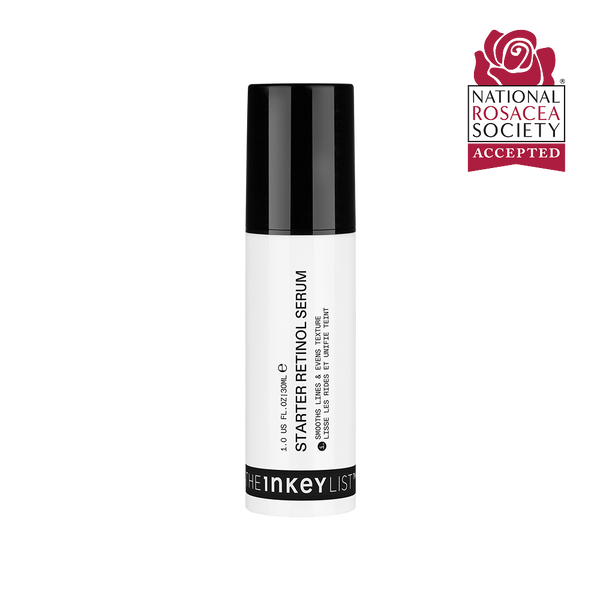
Ready to start your anti-ageing journey? The most effective routine begins with understanding the science, then choosing the right ingredients. Start with THE INKEY List’s Anti-Aging Essentials: combine our Starter Retinol with 15% Vitamin C & EGF Serum for comprehensive anti-ageing protection.
Understanding Skin Ageing: The Science Made Simple
Before diving into products and routines, let’s demystify what actually happens to your skin over time. Understanding these processes isn’t just academic—it’s the foundation for making smart choices about which ingredients and treatments will be most effective for your specific concerns.
Skin ageing occurs through two distinct but interconnected pathways: intrinsic ageing (the natural biological clock) and extrinsic ageing (environmental damage). Think of intrinsic ageing as your skin’s natural evolution—a gradual, inevitable process that begins in your mid-twenties. Research confirms that collagen content decreases by approximately 1% per year per unit area of skin, starting around age 25. This steady decline affects skin’s structural integrity, leading to gradual loss of firmness, elasticity, and that plump, youthful appearance.
But here’s where it gets interesting: intrinsic ageing accounts for only about 20% of visible skin ageing. The remaining 80% comes from extrinsic factors, primarily ultraviolet radiation, pollution, and lifestyle choices. Recent studies show that 80% of visible skin ageing stems from preventable oxidative stress, with only 3% attributed to genetic factors. This means you have significant control over how your skin ages—a empowering realisation that should inform every skincare decision you make.
Oxidative stress is the primary villain in extrinsic ageing. When your skin encounters UV radiation, pollution, or even everyday stress, it triggers the formation of free radicals—unstable molecules that steal electrons from healthy skin cells. This cellular theft creates a domino effect of damage, breaking down collagen fibres, disrupting elastin networks, and impairing your skin’s natural repair mechanisms. Over time, this accumulated damage manifests as wrinkles, dark spots, uneven texture, and loss of radiance.
The role of matrix metalloproteinases (MMPs) adds another layer to this story. These enzymes naturally exist in your skin to break down damaged collagen and make way for new, healthy fibres. However, UV exposure and oxidative stress send MMP activity into overdrive, creating an imbalance where collagen breakdown outpaces collagen production. This is why sun-damaged skin often appears prematurely aged, with deeper wrinkles and more pronounced texture changes than chronologically aged skin.
Environmental factors compound these biological processes. Urban pollution introduces additional free radicals while creating a film on the skin that can clog pores and trigger inflammation. Chronic stress elevates cortisol levels, which can impair skin barrier function and slow cellular renewal. Poor sleep disrupts the skin’s overnight repair cycle, when growth hormone peaks and cellular regeneration is most active. Even dietary choices impact skin ageing through inflammation pathways and antioxidant availability.
The good news embedded in this science is that understanding these mechanisms empowers targeted intervention. Antioxidants can neutralise free radicals before they cause damage. Retinoids can stimulate collagen production and regulate MMP activity. UV protection can prevent up to 80% of extrinsic ageing. Proper hydration and barrier support can optimise natural repair processes.
This scientific foundation explains why effective anti-ageing requires a multi-pronged approach rather than relying on a single “miracle” ingredient. Your skin faces multiple ageing processes simultaneously, so your routine should address prevention (antioxidants, SPF), treatment (retinoids, peptides), and support (hydration, barrier repair) to achieve comprehensive results.
Now that we understand what causes skin ageing, let’s explore the scientifically-proven ingredients that can slow and even reverse these processes.
The Essential Anti-Ageing Ingredients You Need to Know
With countless beauty brands launching new “breakthrough” ingredients every month, it’s easy to get caught up in the latest trends rather than focusing on ingredients with decades of scientific validation. While innovation certainly has its place, building an effective anti-ageing routine starts with understanding the proven actives that consistently deliver results in clinical studies.
Retinol and Retinoids: The Gold Standard
Retinol remains the most scientifically validated anti-ageing ingredient available without a prescription. This vitamin A derivative works through multiple mechanisms to address virtually every sign of skin ageing. Recent 2025 research demonstrates that retinol enhances collagen production, inhibits matrix metalloproteinases, reduces oxidative stress, and influences gene expression in ways that directly counteract the ageing processes we discussed earlier.
What makes retinol so effective is its ability to accelerate cellular turnover. Your skin naturally sheds dead cells and generates new ones, but this process slows significantly with age—from every 28 days in your twenties to every 40+ days by your fifties. Retinol essentially resets this cellular clock, encouraging faster renewal that reveals fresher, smoother skin while stimulating the production of new collagen fibres in the deeper dermal layers.
The key to successful retinol use lies in gradual introduction and realistic expectations. Start with a lower concentration like Starter Retinol twice weekly, gradually increasing frequency as your skin builds tolerance. Results typically begin appearing after 6-8 weeks, with significant improvements in fine lines, texture, and firmness becoming evident after 12-16 weeks of consistent use.
Vitamin C: Your Antioxidant Powerhouse
Vitamin C serves as your skin’s daily bodyguard against environmental damage. This powerhouse antioxidant doesn’t just neutralise free radicals—it actively supports collagen synthesis by activating the enzymes responsible for collagen assembly. Studies show that topical vitamin C application reduces wrinkles and boosts skin elasticity by protecting collagen from both photoageing and natural ageing.
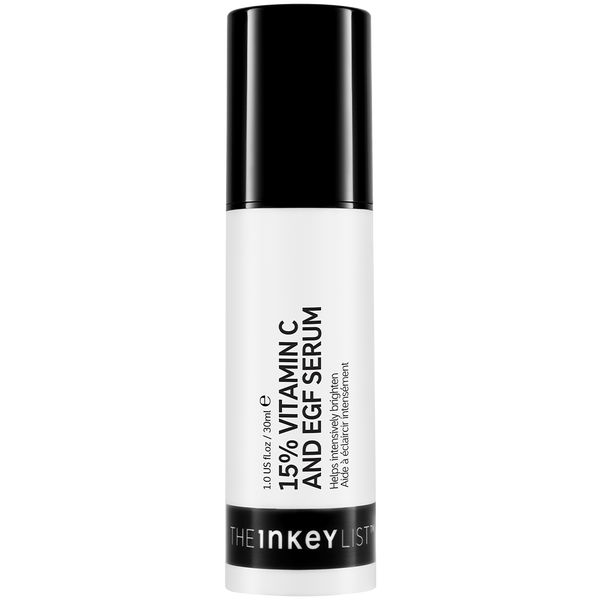
L-ascorbic acid is the most researched form of vitamin C, but its instability has led to the development of more stable derivatives like magnesium ascorbyl phosphate and sodium ascorbyl phosphate. 15% Vitamin C & EGF Serum combines stable vitamin C with Epidermal Growth Factor (EGF), creating a synergistic effect that enhances both antioxidant protection and cellular repair.
The ideal time for vitamin C application is morning, where it can provide real-time protection against daily environmental stressors. Consistent use over 8-12 weeks typically results in brighter, more even-toned skin with improved resilience against future damage.
Peptides: Cellular Communication Champions
Peptides function as messengers that tell your skin cells to behave more youthfully. These short chains of amino acids can signal fibroblasts (collagen-producing cells) to increase collagen and elastin production, essentially tricking your skin into thinking it’s younger than it is.
Different peptides serve different functions: signal peptides stimulate collagen production, carrier peptides deliver minerals needed for healing, neurotransmitter peptides reduce muscle contraction that contributes to expression lines, and enzyme inhibitor peptides slow collagen breakdown. This diversity means peptide-containing products can address multiple aspects of ageing simultaneously.
Hyaluronic Acid: The Hydration Hero
Hyaluronic acid can hold up to 1,000 times its weight in water, making it the ultimate hydrating ingredient for plumping fine lines and maintaining skin’s moisture balance. This naturally occurring substance exists in your skin’s extracellular matrix, but levels decrease with age, contributing to dryness and loss of volume.
What’s particularly clever about hyaluronic acid is its ability to draw moisture from the environment and deeper skin layers to the surface, creating an immediate plumping effect. Hyaluronic Acid Serum applied to damp skin maximises this moisture-binding capacity, providing both immediate and long-term hydration benefits.
Niacinamide: The Multitasking Marvel
Niacinamide (vitamin B3) offers a gentler approach to addressing multiple skin concerns simultaneously. This versatile ingredient regulates oil production, minimises pore appearance, reduces redness, strengthens the skin barrier, and provides antioxidant benefits—all without the potential irritation associated with stronger actives.
Research shows that 5% niacinamide can be as effective as 2% hydroquinone for treating hyperpigmentation, while also improving skin texture and elasticity. Niacinamide Serum makes an excellent introduction to active ingredients for sensitive skin or those new to anti-ageing routines.
Ceramides: The Barrier Builders
Ceramides are the “mortar” that holds your skin barrier together, accounting for about 50% of your stratum corneum’s lipid content. These naturally occurring lipids create a protective seal that prevents moisture loss and shields against environmental irritants. As we age, ceramide production declines, leading to compromised barrier function, increased sensitivity, and accelerated moisture loss.
Replenishing ceramides through topical application helps restore this protective barrier, improving hydration retention and creating optimal conditions for other anti-ageing ingredients to work effectively. Look for products containing a blend of ceramides, cholesterol, and fatty acids that mirror your skin’s natural lipid profile.
Shop the science: Build your evidence-based routine with Starter Retinol, Niacinamide Serum, and 15% Vitamin C & EGF Serum—clinical-level results at accessible prices.
The Science of Synergy
While each ingredient offers distinct benefits, the real magic happens when you combine them strategically. Vitamin C and vitamin E work synergistically to provide enhanced antioxidant protection. Retinol and peptides complement each other by stimulating collagen production through different pathways. Hyaluronic acid and ceramides create the optimal hydrated environment for other actives to penetrate effectively.
The key is introducing ingredients gradually, monitoring your skin’s response, and building complexity over time. Start with one active ingredient, establish tolerance, then add complementary actives that enhance rather than compete with your existing routine.
Essential Anti-Ageing Ingredients At a Glance:
- Retinol - Cellular renewal and collagen stimulation
- Vitamin C - Antioxidant protection and collagen support
- Peptides - Cellular communication and repair.
- Hyaluronic Acid - Deep hydration and plumping
- Niacinamide - Multi-benefit gentle treatment
- Ceramides - Barrier protection and moisture retention. Try our Bio Active Moisturizer
Armed with this ingredient knowledge, let’s build your personalised morning routine, designed for daily protection and prevention.
Your Morning Anti-Ageing Routine: Protection & Prevention
Your morning skincare routine serves as your daily armour against environmental aggressors while laying the foundation for long-term skin health. Unlike evening routines that focus on repair and renewal, morning routines prioritise protection, hydration, and preparation for the day ahead. The goal is to create multiple layers of defence while ensuring your skin looks radiant and feels comfortable throughout the day.
The science behind morning skincare timing is fascinating: your skin’s natural circadian rhythm means that barrier function is actually weaker in the morning, making it more susceptible to water loss and environmental damage. This biological reality makes morning hydration and protection not just beneficial, but essential for maintaining skin health over time.
Step 1: Gentle Cleansing Foundation
Start with Oat Cleansing Balm to remove overnight products, natural oils, and any residual impurities without stripping your skin’s protective barrier. This creamy, nourishing cleanser contains colloidal oatmeal, which provides gentle exfoliation while delivering anti-inflammatory benefits that calm any overnight irritation.
Morning cleansing should be gentler than evening cleansing since you’re not removing makeup or heavy sunscreen. The goal is to refresh and prepare your skin for active ingredients rather than deep cleaning. Massage the balm onto dry skin for 30-60 seconds, then rinse with lukewarm water and pat dry with a clean towel.
Pro tip: If your skin feels tight or dry after cleansing, your cleanser is too harsh. Skin should feel clean but comfortable, never squeaky or stripped.
Step 2: Hydration Base Layer
Apply Hyaluronic Acid Serum to damp skin for maximum moisture-binding capacity. This step is crucial because well-hydrated skin provides the optimal environment for subsequent products to penetrate effectively while creating an immediate plumping effect that minimises the appearance of fine lines.
The key technique here is applying hyaluronic acid to slightly damp skin—this gives it moisture to bind to, maximising its plumping effect. Pat 2-3 drops gently into skin, focusing on areas prone to dryness like the eye contour and cheek area. The serum should absorb within 1-2 minutes, leaving skin feeling supple and smooth.
Step 3: Antioxidant Protection
Layer 15% Vitamin C & EGF Serum for comprehensive environmental protection and collagen support. This powerful combination provides immediate antioxidant defence while supporting long-term skin repair through Epidermal Growth Factor technology.
Vitamin C application in the morning makes scientific sense: it provides real-time protection against free radical damage from UV exposure, pollution, and daily stress. The stable formula means you won’t experience irritation or photosensitivity that can occur with less stable vitamin C derivatives. Apply 2-3 drops, pressing gently into skin and allowing 2-3 minutes for absorption before proceeding to the next step.
Step 4: Multi-Benefit Treatment
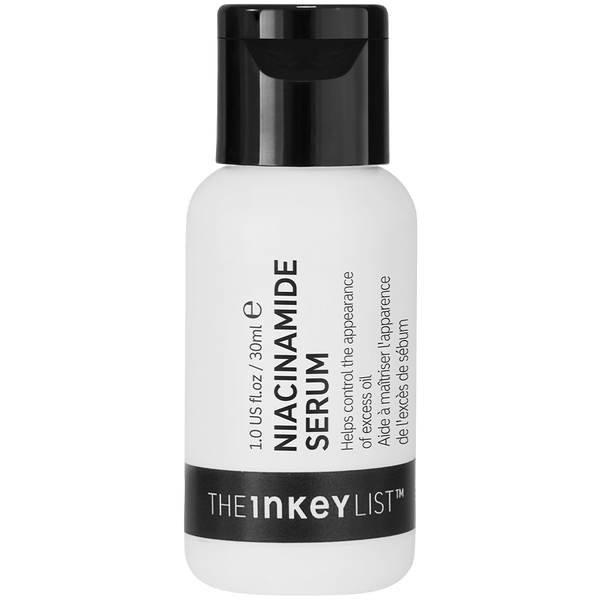
Add Niacinamide Serum for oil regulation, pore refinement, and additional antioxidant benefits. Niacinamide’s gentle nature makes it perfect for morning use, providing multiple skin benefits without causing irritation or sensitivity.
This step is particularly beneficial for combination or oily skin types, as niacinamide helps regulate sebum production throughout the day while providing barrier support and anti-inflammatory benefits. The 10% concentration is clinically effective yet gentle enough for daily use. Apply 2-3 drops, avoiding the immediate eye area.
Step 5: Barrier Restoration
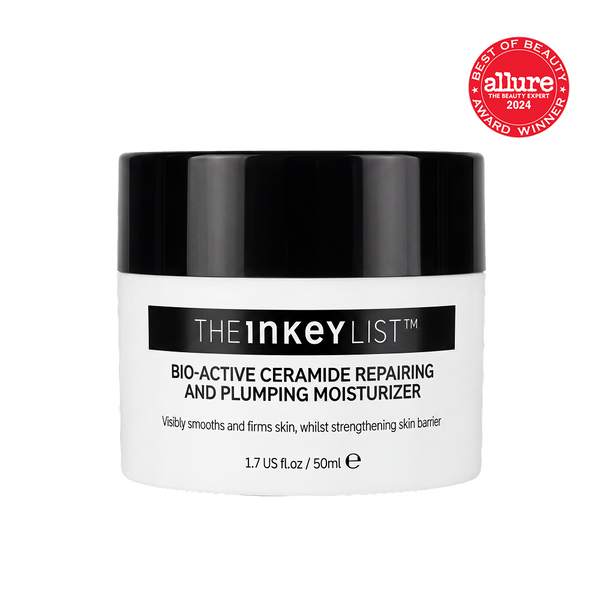
Seal in your serums with Bio-Active Ceramide Moisturizer to lock in hydration and strengthen your skin’s natural protective barrier. This crucial step prevents trans-epidermal water loss while providing additional peptides and ceramides that support skin structure and function.
The moisturiser creates a protective film that helps prevent moisture loss while providing a smooth base for makeup application. Apply using upward and outward motions, taking care to extend application to your neck and décolletage—areas often neglected but equally susceptible to ageing.
Step 6: UV Protection (Non-Negotiable)
Finish with Dewy SPF for broad-spectrum protection with a radiant finish. This final step is arguably the most important in your entire routine, as UV protection prevents up to 80% of visible skin ageing when used consistently.
The formula combines effective UV filters with skin-conditioning ingredients that enhance rather than mask your skin’s natural radiance. Apply 1/4 teaspoon to face and neck, ensuring even coverage. Reapplication every 2-3 hours is ideal, though we understand this isn’t always practical—at minimum, ensure thorough morning application.
Complete Your Morning Protection:
- Oat Cleansing Balm - gentle, nourishing cleanse
- 15% Vitamin C & EGF Serum - antioxidant protection
- Hyaluronic Acid Serum - instant hydration boost
- Bio-Active Ceramide Moisturizer - barrier repair
- Dewy SPF - UV protection with glow
Timing and Application Tips
Total routine time: 8-10 minutes
Wait times between steps: 30-60 seconds for light serums, 2-3 minutes for vitamin C
Common mistakes to avoid: Applying products to completely dry skin, skipping SPF on cloudy days, using too much product (more isn’t always better)
The beauty of this morning routine lies in its layered protection approach. Each product serves a specific function while working synergistically with the others to create comprehensive defence against daily environmental stressors. Consistency is key—this routine will provide cumulative benefits when performed daily over 6-12 weeks.
While your morning routine focuses on protection, your evening ritual is where the real repair and renewal happens.
Your Evening Anti-Ageing Routine: Repair & Renewal
Evening skincare operates on an entirely different principle than your morning routine. While morning focuses on protection and preparation, evening routines leverage your skin’s natural repair cycle to maximise the effectiveness of treatment ingredients. During sleep, your skin’s cellular regeneration peaks, blood flow increases, and growth hormone production soars—creating optimal conditions for active ingredients to work their transformative magic.
The circadian rhythm of your skin reveals why evening application of certain ingredients is crucial. Your skin barrier is naturally stronger in the evening, meaning it can better tolerate potent actives. Additionally, many powerful anti-ageing ingredients like retinoids can increase photosensitivity, making nighttime application both safer and more effective.
Step 1: Thorough Evening Cleanse
Begin with Oat Cleansing Balm for comprehensive removal of makeup, sunscreen, and daily environmental buildup. Evening cleansing should be more thorough than morning cleansing, as you’re removing not just natural oils but also product layers and pollution that have accumulated throughout the day.
Take your time with this step—massage the balm into dry skin for 1-2 minutes, paying special attention to areas where makeup and sunscreen tend to accumulate (hairline, around the nose, jawline). This thorough cleansing ensures that your treatment products can penetrate effectively rather than sitting on top of residual barrier films.
Double cleansing consideration: If you wear heavy makeup or waterproof sunscreen, you might benefit from following your cleansing balm with a gentle water-based cleanser to ensure complete removal.
Step 2: Hydrating Foundation
Apply Hyaluronic Acid Serum to damp skin as your hydrating base layer. Evening hyaluronic acid application serves dual purposes: immediate plumping to minimise fine lines and creating an optimal environment for the powerful treatment ingredients that follow.
The evening application allows hyaluronic acid to work throughout the night, drawing moisture from the environment and deeper skin layers to maintain hydration while you sleep. This is particularly important when using active ingredients that can sometimes cause dryness during the adjustment period.
Step 3: The Power Treatment
This is where your evening routine becomes personalised based on your experience level with active ingredients.
For Retinoid Beginners:
Start with Starter Retinol twice weekly, gradually increasing to every other night as tolerance builds. This gentle concentration provides effective anti-ageing benefits while minimising the risk of irritation that can occur with stronger formulations.
Week 1-2: Apply twice weekly (Monday, Thursday)
Week 3-4: Increase to every other night if no irritation occurs
Week 5+: Daily application once tolerance is established
For Advanced Users:
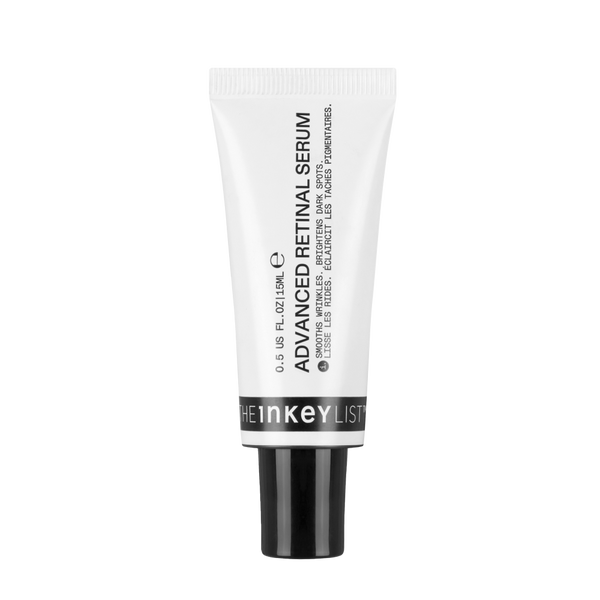
Advanced Retinal offers faster, more dramatic results for those comfortable with active ingredients. Retinal (retinaldehyde) converts to retinoic acid more efficiently than retinol, providing enhanced efficacy with potentially less irritation than prescription retinoids.
Application technique for all retinoids: Apply pea-sized amount to clean, dry skin, avoiding the immediate eye area. Allow 10-15 minutes before applying additional products to prevent dilution and potential irritation.
Step 4: Complementary Treatment (Alternate Nights)
On non-retinoid nights, apply Niacinamide Serum for pore refinement, oil regulation, and barrier support. This strategic alternation prevents over-treatment while ensuring your skin receives multiple beneficial ingredients throughout the week.
Niacinamide’s anti-inflammatory properties make it an excellent complement to retinoid use, helping to minimise any potential irritation while providing its own anti-ageing benefits. The 10% concentration is clinically effective for improving skin texture, reducing pore appearance, and supporting barrier function.
Step 5: Targeted Eye Care
Apply Retinol Eye Cream specifically formulated for the delicate eye area. The skin around your eyes is significantly thinner than the rest of your face and requires specialised treatment to address fine lines, crow’s feet, and loss of firmness without causing irritation.
Use your ring finger (which naturally applies the least pressure) to gently pat the eye cream around the orbital bone, avoiding direct contact with the lash line. The specialised formulation provides retinoid benefits in a concentration and base specifically designed for this sensitive area.
Step 6: Overnight Moisture Lock
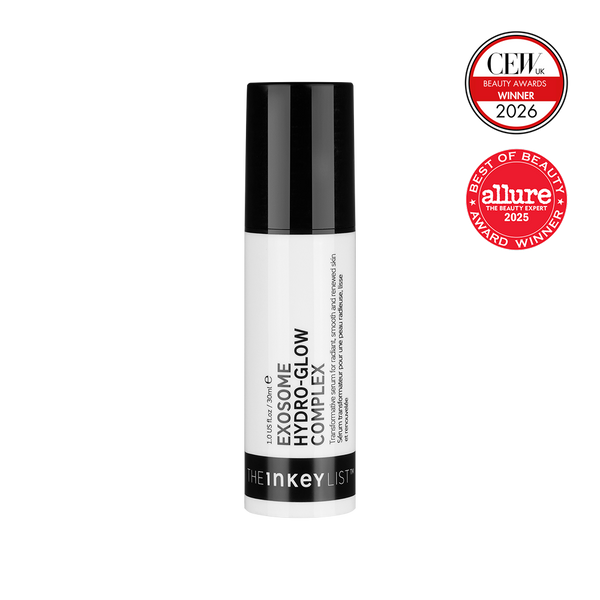
Seal your treatment products with either Bio-Active Ceramide Moisturizer for basic hydration or Exosome Hydro Glow Complex for advanced overnight renewal.**
The choice between these depends on your skin’s needs and your investment in advanced technology. The Bio-Active Ceramide Moisturiser provides essential barrier support and hydration, while the Exosome complex offers cutting-edge delivery technology for enhanced ingredient penetration and cellular communication.
Power Up Your Nighttime Repair:
- Oat Cleansing Balm - thorough makeup removal
- Starter Retinol OR Advanced Retinal - cellular renewal
- Niacinamide Serum - pore refinement (alternate nights)
- Retinol Eye Cream - targeted eye area treatment
- Exosome Hydro Glow Complex - intensive overnight hydration
Beginner vs Advanced Pathways
New to retinoids? Start with Starter Retinol—a gentle concentration perfect for building tolerance without irritation.
Experienced with actives? Advanced Retinal delivers faster, more dramatic results for those comfortable with powerful ingredients.
Managing the Adjustment Period
Week 1-4: Some mild dryness, tingling, or flaking is normal as your skin adjusts to retinoids. This is called “retinization” and typically resolves within 4-6 weeks.
Support strategies:
- Reduce frequency if irritation occurs
- Add extra hydrating layers
- Never apply retinoids to wet skin (can increase irritation)
- Be patient—significant results typically appear after 12-16 weeks
Signs to pause: Persistent stinging, severe redness, or compromised barrier function indicate you need to reduce frequency or concentration.
Expected Timeline for Results
Weeks 1-4: Skin adjustment period, possible mild irritation
Weeks 4-8: Improved texture and smoothness begin appearing
Weeks 8-12: Fine lines start diminishing, skin tone becomes more even
Weeks 12+: Significant improvements in firmness, deeper wrinkles, and overall skin quality
The evening routine’s power lies in working with your skin’s natural repair cycle. While some people see improvements within weeks, the most dramatic and lasting results come from consistent nightly application over 3-6 months. Remember: anti-ageing is a marathon, not a sprint.
Once you’ve mastered these essential routines, you might be ready to explore advanced treatments that can accelerate your results.
Advanced Boosters: Taking Your Routine to the Next Level
After 6-8 weeks of consistent basic routine use, many people find themselves wondering: “What’s next?” This is the perfect time to explore advanced treatments that can amplify your results without overwhelming your skin or your budget. Advanced boosters aren’t necessary for effective anti-ageing, but they can accelerate results and address specific concerns more intensively.
The key to successfully incorporating advanced treatments lies in understanding that more isn’t always better—it’s about strategic enhancement of your established routine. Think of advanced boosters as the performance upgrades to your skincare engine, rather than replacing the entire system.
Revolutionary Exosome Technology
Exosome Hydro-Glow Complex represents the cutting edge of skincare delivery technology. Exosomes are naturally occurring nanovesicles that facilitate cellular communication and ingredient transport. Recent clinical studies show exosomes can boost collagen production by up to 300% while enhancing the penetration and efficacy of other active ingredients.
What makes exosome technology revolutionary is its ability to deliver ingredients directly to target cells, bypassing traditional barriers that can limit product effectiveness. This enhanced delivery system means you can achieve professional-level results with at-home application. The Hydro-Glow Complex combines exosome technology with intensive hydrating ingredients, making it ideal for those seeking both immediate radiance and long-term anti-ageing benefits.
How to incorporate: Use 2-3 times weekly in place of your regular evening moisturiser, or layer under your regular moisturiser for enhanced hydration. The technology works synergistically with retinoids and vitamin C, making it an excellent complement to your existing routine rather than a replacement.
Layered Hydration Hierarchy
Advanced hydration goes beyond applying a single serum. The hydration sandwich technique involves layering multiple moisture-binding ingredients to create sustained hydration that lasts throughout the day or night.
Layer 1: Hyaluronic Acid Serum applied to damp skin for immediate plumping
Layer 2: Treatment serums (vitamin C, niacinamide, or retinoids)
Layer 3: Exosome Hydro-Glow Complex for advanced moisture technology
Layer 4: Occlusive moisturiser to seal everything in
This technique is particularly beneficial for mature skin, which naturally produces less oil and struggles to maintain moisture balance. The layered approach ensures hydration at multiple levels of the skin while supporting the effectiveness of your active ingredients.
Specialised Eye Area Treatment
The eye area requires dedicated attention because it’s often the first place to show signs of ageing. Retinol Eye Cream provides targeted treatment specifically formulated for this delicate area’s unique needs.
Unlike face products, eye creams account for the thinner skin, increased sensitivity, and specific concerns like crow’s feet, under-eye circles, and loss of firmness. The specialised retinol concentration provides anti-ageing benefits without the irritation risk associated with using face retinoids around the eyes.
Application technique: Use your ring finger to gently tap the cream around the orbital bone, starting from the inner corner and moving outward. Apply at night only, and always follow with SPF during the day since retinoids can increase photosensitivity.
When to Consider Professional Treatments
While at-home skincare can achieve remarkable results, certain concerns may benefit from professional intervention. Consider consulting a dermatologist if:
- You have deep wrinkles or significant sun damage that isn’t responding to topical treatments
- You’re dealing with persistent pigmentation issues
- You want to explore prescription retinoids for faster results
- You’re considering in-office procedures like chemical peels, microneedling, or laser treatments
The beauty of a strong at-home routine is that it prepares your skin for professional treatments while helping maintain results between appointments. Many dermatologists report that patients with consistent skincare routines see better outcomes from in-office procedures.
Seasonal Adjustments for Optimal Results
Your skin’s needs change with the seasons, and advanced users learn to adjust their routines accordingly. Winter typically requires more intensive hydration and barrier support, while summer may call for lighter textures and enhanced antioxidant protection.
Winter modifications:
- Increase frequency of hydrating serums
- Add facial oils or heavier moisturisers
- Consider reducing exfoliation frequency to prevent over-drying
Summer adjustments:
- Emphasise antioxidant protection with vitamin C
- Use lighter, gel-based moisturisers
- Increase SPF reapplication frequency
- Consider adding antioxidant supplements for internal protection
Budget-Conscious Upgrading Strategy
Advanced doesn’t necessarily mean expensive. The most effective upgrade strategy focuses on enhancing one element at a time rather than overhauling your entire routine.
Prioritised upgrade order:
- Eye cream - addresses a specific area with targeted formulation
- Advanced moisturiser - enhances the effectiveness of all other products
- Specialised treatments - for specific concerns like hyperpigmentation or deep wrinkles
This approach allows you to assess the impact of each upgrade while staying within budget constraints. Many people find that upgrading just one or two elements provides significant enhancement without requiring complete routine changes.
Advanced Application Techniques
The 7-skin method: Apply thin layers of hydrating toner or essence 7 times, allowing each layer to absorb before applying the next. This technique maximises hydration while enhancing the penetration of subsequent products.
Facial massage: Incorporate 2-3 minutes of gentle facial massage when applying your evening moisturiser. This increases circulation, enhances product absorption, and provides stress-relief benefits that support skin health.
Temperature therapy: Apply serums with cool hands or use a chilled facial roller to enhance absorption and provide additional anti-inflammatory benefits.
Advanced Routine Options:
The Hydration Maximiser:
- Hyaluronic Acid Serum + Exosome Hydro-Glow Complex for next-level moisture technology
The Eye Area Specialist:
- Retinol Eye Cream specifically targets fine lines and crow’s feet where regular products might be too harsh
The Complete Advanced System:
- Layer all advanced products strategically for maximum synergistic benefits
The goal of advanced treatments is enhancement, not complication. Each addition should serve a clear purpose and integrate seamlessly with your established routine. Remember that consistency with basics will always triumph over sporadic use of advanced products.
Regardless of which level you choose, avoiding these common mistakes will help you get the most from any anti-ageing routine.
Common Anti-Ageing Mistakes to Avoid (& How to Personalise Your Routine)
Even with the best intentions and quality products, many people unknowingly sabotage their anti-ageing efforts through common mistakes that can range from minor inefficiencies to skin-damaging errors. Understanding these pitfalls—and how to avoid them—can dramatically improve your results while preventing setbacks that could delay your progress by months.
Mistake 1: The “More Is Better” Approach
The error: Believing that using multiple active ingredients simultaneously will accelerate results, leading to over-treatment and compromised skin barrier function.
Many skincare enthusiasts fall into the trap of using retinol, AHA/BHA exfoliants, vitamin C, and other actives all in the same routine, thinking this will provide faster results. Instead, this approach typically leads to irritation, redness, increased sensitivity, and paradoxically, slower progress as the skin becomes defensive rather than receptive to treatment.
The science behind the mistake: Your skin has a finite capacity for processing active ingredients. Overwhelming this capacity triggers inflammatory responses that actually accelerate ageing processes rather than preventing them. Additionally, certain ingredient combinations can neutralise each other’s effectiveness or create unstable reactions.
The solution: Start with one active ingredient and establish tolerance before adding others. A basic rule: introduce new actives 4-6 weeks apart, and never use more than two potent actives in the same routine. Starter Retinol twice weekly for a month before adding Niacinamide Serum on alternate nights exemplifies this gradual approach.
Mistake 2: Inconsistent Application Patterns
The error: Sporadic product use followed by periods of intensive application, creating a cycle of progress and regression that prevents sustained improvement.
Dermatologists emphasise that consistency over expensive products delivers the most significant anti-ageing results. Your skin responds to routine and repeated exposure to beneficial ingredients. Using products intensively for two weeks, then sporadically for the next month, doesn’t allow your skin to build the cumulative benefits that create lasting change.
The reality of results timing: Texture improvements typically appear after 4-6 weeks of consistent use, while fine line reduction requires 12+ weeks of regular application. Many people abandon products before reaching these timelines, mistakenly believing the products are ineffective.
The solution: Choose a routine you can realistically maintain rather than an perfect routine you’ll abandon. Three products used consistently will outperform ten products used sporadically. Set realistic expectations and commit to at least 12 weeks of consistent use before evaluating effectiveness.
Mistake 3: Wrong Application Order and Technique
The error: Applying products in incorrect order, using wrong amounts, or improper technique that prevents optimal absorption and effectiveness.
The general rule is thinnest to thickest consistency, but this doesn’t account for pH requirements, wait times, or specific ingredient interactions. For example, applying moisturiser immediately after vitamin C can dilute the vitamin C’s effectiveness, while applying retinol to wet skin can increase irritation risk.
Correct application principles:
- pH-dependent products (vitamin C) should go on clean skin first
- Wait 2-3 minutes between active ingredient applications
- Apply to appropriate skin moisture level: hyaluronic acid on damp skin, retinol on completely dry skin
- Use appropriate amounts: pea-sized for face products, rice grain-sized for eye creams
The solution: Learn the specific requirements for each product in your routine. Complete guide to skincare ingredient interactions provides detailed information about proper application order and techniques.
Mistake 4: Neglecting the Extended Canvas
The error: Focusing exclusively on facial skin while ignoring the neck, décolletage, and hands—areas that often reveal age more dramatically than the face itself.
Your neck and hands are exposed to the same environmental stressors as your face but often receive no protective or treatment products. The neck, in particular, has fewer sebaceous glands and thinner skin, making it more susceptible to ageing but more sensitive to active ingredients.
The solution: Extend your routine beyond your face. Apply 15% Vitamin C & EGF Serum to your neck and décolletage each morning, and include these areas in your Dewy SPF application. For hands, apply Bio-Active Ceramide Moisturizer daily and reapply SPF after hand washing.
Mistake 5: Unrealistic Timeline Expectations
The error: Expecting dramatic overnight results and becoming discouraged when improvements don’t appear within days or weeks.
Social media and marketing have created unrealistic expectations about skincare timelines. While some products provide immediate effects (like hyaluronic acid’s plumping), structural changes like collagen production and cellular renewal require months of consistent use.
Realistic results timeline:
- Weeks 1-2: Improved hydration and skin comfort
- Weeks 4-6: Enhanced texture and smoothness
- Weeks 8-12: Reduction in fine lines and improved firmness
- Months 4-6: Significant improvement in deeper wrinkles and overall skin quality
The solution: Document your progress with photos taken in consistent lighting and track improvements weekly rather than daily. Focus on how your skin feels (smoother, more hydrated, less sensitive) before visual changes become apparent.
Personalisation by Skin Type and Age
For Oily/Combination Skin:
- Emphasise Niacinamide Serum for oil regulation
- Use lighter, gel-based moisturisers during humid months
- Apply retinoids more frequently as tolerance builds (oily skin typically tolerates actives better)
For Dry/Sensitive Skin:
- Layer hydrating ingredients: Hyaluronic Acid Serum + Bio-Active Ceramide Moisturizer
- Start with Starter Retinol once weekly, building very gradually
- Always apply actives to completely dry skin to minimise irritation
Age-Specific Considerations:
20s and 30s (Prevention Focus):
- Prioritise 15% Vitamin C & EGF Serum for antioxidant protection
- Start Starter Retinol 2-3 times weekly
- Never compromise on Dewy SPF application
40s and Beyond (Correction + Prevention):
- Progress to Advanced Retinal for enhanced cellular renewal
- Add Retinol Eye Cream for targeted treatment
- Consider Exosome Hydro-Glow Complex for intensive repair
Budget-Friendly Customisation
Essential Foundation (Under £30):
Enhanced Protection (£50-70):
Complete System (£100+):
- Include Advanced Retinal, Retinol Eye Cream, and Exosome Hydro-Glow Complex
Troubleshooting Common Issues
If you experience irritation: Reduce frequency, ensure proper application technique, and add more hydrating layers. Irritation usually indicates too much too soon rather than product incompatibility.
If you see no results after 8 weeks: Evaluate consistency, application technique, and whether you’re using effective concentrations of active ingredients. Sometimes “no results” means you need to progress to stronger formulations.
If your skin becomes overly dry: Increase hydrating ingredients and reduce active frequency. Dry skin often indicates compromised barrier function that needs repair before progressing with treatments.
With these fundamentals mastered and mistakes avoided, you’re equipped to build an anti-ageing routine that works for your unique skin, lifestyle, and goals.
Conclusion: Your Journey to Ageless Skin Starts Today
Effective anti-ageing isn’t about reversing time—it’s about empowering your skin to function at its optimal level while preventing unnecessary damage that accelerates the natural ageing process. Throughout this comprehensive guide, we’ve explored the science behind skin ageing, identified the ingredients with clinical research backing their effectiveness, and provided step-by-step routines that make professional-level results achievable at home.
The most important takeaway from our deep dive into anti-ageing skincare is this: consistency with science-backed basics will always deliver better results than sporadic use of expensive, trendy products. Your skin responds to routine, patience, and gradual progression rather than dramatic interventions or constantly changing formulations.
We’ve learned that 80% of visible skin ageing stems from preventable environmental damage, particularly UV exposure and oxidative stress. This knowledge is empowering because it means you have significant control over how your skin ages. Every morning you apply antioxidant protection, every evening you use retinoids for cellular renewal, and every day you protect with SPF, you’re actively investing in your skin’s future health and appearance.
The ingredients we’ve explored—retinol for cellular renewal, vitamin C for antioxidant protection, hyaluronic acid for hydration, niacinamide for barrier support, and ceramides for moisture retention—aren’t fleeting trends but scientifically validated actives with decades of research supporting their effectiveness. Recent studies continue to confirm that these ingredients can significantly improve skin texture, reduce fine lines, and boost collagen production when used consistently, making them worthy investments for anyone committed to long-term skin health.
Perhaps most importantly, we’ve established that personalisation is key to long-term success. Your optimal routine depends on your skin type, age, lifestyle, and individual concerns. A 25-year-old with oily skin will have different needs than a 45-year-old with dry, sensitive skin. The frameworks and principles we’ve outlined provide the foundation, but your routine should evolve based on your skin’s responses and changing needs over time.
The mistake-avoidance strategies we discussed can save you months of frustration and potential skin damage. Remember that more isn’t always better, consistency trumps intensity, and patience with realistic timelines sets you up for sustained success rather than disappointment.
Great skin is absolutely achievable at any age with the right knowledge, quality ingredients, and commitment to consistency. The routines we’ve outlined aren’t just temporary fixes—they’re sustainable practices that will serve your skin for decades to come. Your investment in science-backed skincare today pays dividends in healthy, resilient skin for years to come.
Ready to Start Your Anti-Ageing Journey?
For Beginners: Build your foundation with Starter Retinol + Hyaluronic Acid Serum + Bio-Active Ceramide Moisturizer—everything you need to begin your anti-ageing journey.
For Advanced Users: Elevate your routine with Advanced Retinal + 15% Vitamin C & EGF Serum + Exosome Hydro-Glow Complex for professional-level results at home.
Not sure where to start? Take our personalised Skin Quiz to receive product recommendations tailored to your specific skin concerns, age, and goals.
Questions about ingredients or routine order? Our skincare experts are here to help—get in touch for personalised advice on building your optimal anti-ageing routine.
Remember: the best anti-ageing routine is one you’ll stick to consistently. Start simple, be patient with the process, and trust the science. Your skin will thank you for making the commitment to long-term health and radiance.
Your journey to healthier, more resilient skin starts with your very next application. Choose consistency, embrace the process, and watch your skin transform over the months ahead.
Got a question?
Our askINKEY team are a friendly bunch of skincare experts with deep product knowledge and zero judgement. Whether you're an ingredient obsessive or just starting out, we'll make it make sense. No question too big. No question too small. We Give A Care, Every Day.


