



Best & Worst Ingredients for Oily Skin: The Complete Guide
Author
Written by one of our askINKEY skincare advisors
Published
28 September, 2022
Managing oily skin often feels like walking a tightrope – use too little product and your skin remains greasy, but go overboard and you trigger even more oil production. The secret lies in understanding which ingredients actually work with your skin’s natural processes, rather than fighting against them.
This comprehensive guide cuts through the marketing noise to reveal the science-backed ingredients that truly regulate oil production, backed by clinical research and dermatological expertise. Whether you’re dealing with occasional shininess or persistent breakouts, you’ll discover how to build an effective routine using ingredients at concentrations that deliver real results.
Understanding the science behind oily skin is crucial for making informed skincare choices. Your sebaceous glands produce sebum – a natural protective oil – but various factors including genetics, hormones, and even your current skincare routine can throw this system off balance. The goal isn’t to eliminate oil completely, but to restore harmony to your skin’s natural processes.
What you’ll discover in this evidence-based guide:
The science behind what causes oily skin and excess sebum production, helping you understand why certain ingredients work whilst others backfire. We’ll explore four clinically-proven ingredients that control oil without over-drying: niacinamide, salicylic acid, dioic acid, and omega fatty acids. You’ll learn which ingredients to avoid that can actually trigger more oil production and damage your skin barrier.
Most importantly, you’ll get a complete morning and evening routine with specific product recommendations, plus expert tips for building your regimen gradually to avoid irritation whilst achieving long-term oil control and balanced skin health.
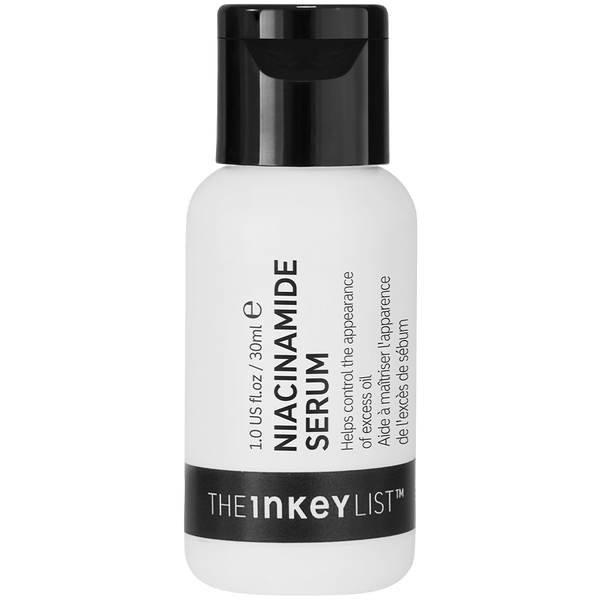
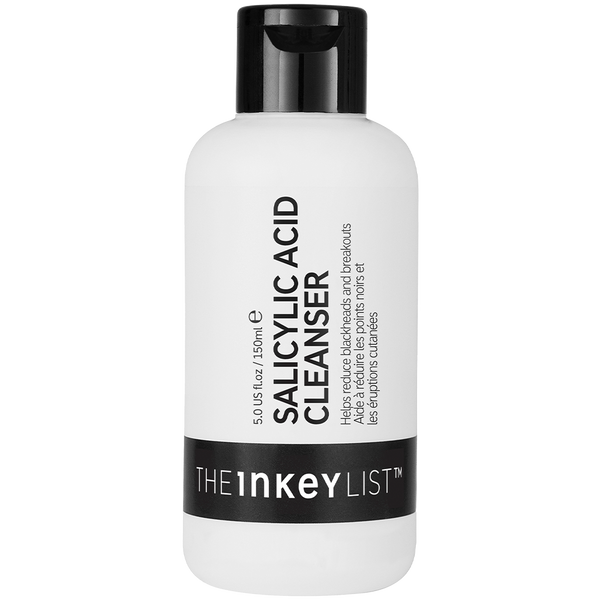
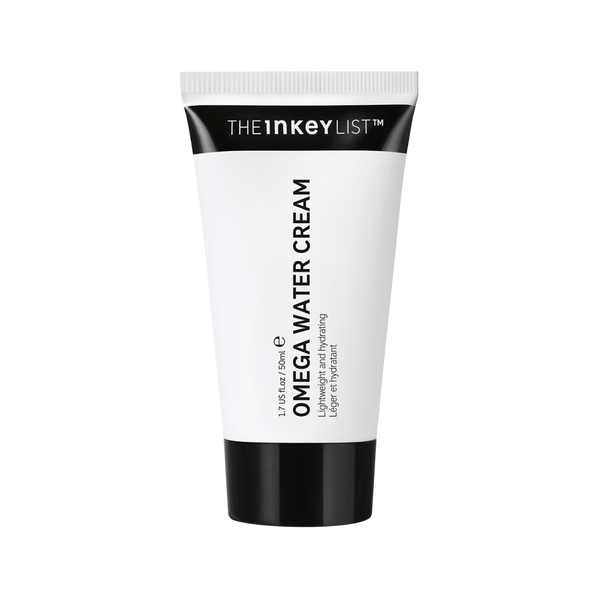
Ready to transform your approach to oily skin? Here are the key products that will feature throughout this guide: Niacinamide Serum for targeted oil control, Salicylic Acid Cleanser for daily pore clarity, Beta Hydroxy Acid Serum for treating blackheads, 360° Skin Clearing Serum for comprehensive breakout management, and Omega Water Cream for lightweight hydration that won’t clog pores.
What Causes Oily Skin?
Understanding why your skin produces excess oil is the foundation for choosing effective treatments. Far from being a simple cosmetic issue, oily skin results from a complex interplay of internal and external factors that influence how your sebaceous glands function.
Your sebaceous glands exist to protect and moisturise your skin naturally. These tiny factories, connected to hair follicles across your face and body, produce sebum – a mixture of oils, wax esters, and other lipids that form your skin’s protective barrier. Under normal circumstances, this system works beautifully, maintaining healthy, supple skin that’s protected from environmental damage and moisture loss.
Genetics play the primary role in determining your skin type. If your parents had oily skin, you’re likely to experience similar sebum production patterns. Your genetic makeup influences everything from the size and number of your sebaceous glands to how sensitively they respond to hormonal changes. This explains why some people naturally maintain balanced oil production throughout their lives, whilst others battle excess shine from adolescence onwards.
Hormonal fluctuations create some of the most dramatic changes in oil production. Androgens, particularly testosterone and its derivative DHT, directly stimulate sebaceous glands to produce more sebum. This is why oily skin often emerges or worsens during puberty, menstruation, pregnancy, or times of stress when hormone levels fluctuate significantly. Understanding these hormonal influences helps explain why your skin might behave differently at various life stages.
Climate and environmental factors also substantially impact oil production. Hot, humid weather stimulates sebaceous glands, whilst harsh winds and dry conditions can actually trigger increased oil production as your skin attempts to protect itself from moisture loss. This explains why many people notice their skin becomes oilier during summer months or when travelling to different climates.
Perhaps most surprisingly, your skincare routine itself can either help regulate or dramatically worsen oil production. Products containing harsh detergents, alcohol, or aggressive astringents strip away your skin’s natural protective barrier. When this happens, your sebaceous glands go into overdrive, producing even more oil to compensate for what’s been removed. This creates a frustrating cycle where the more you try to “degrease” your skin, the oilier it becomes.
Age brings its own changes to sebum production. Whilst teenagers and young adults typically experience peak oil production, sebaceous gland activity generally decreases with age. However, this doesn’t mean oily skin automatically resolves over time – many factors can maintain or even increase oil production well into adulthood.
Stress creates a particularly complex relationship with oil production. When you’re stressed, your body produces more cortisol, which can stimulate sebaceous glands. Additionally, stress often leads to touching your face more frequently, using more products, or neglecting your skincare routine – all of which can exacerbate oily skin conditions.
The most crucial point to understand is that sebum production serves essential protective functions. Your skin’s natural oils prevent water loss, protect against bacterial invasion, and maintain the slightly acidic pH that keeps your skin healthy. The goal of effective oily skin care isn’t to eliminate oil production entirely, but to restore balance so your sebaceous glands produce just the right amount for optimal skin health.
This understanding fundamentally changes how we approach oily skin treatment. Instead of harsh, stripping products that trigger rebound oil production, effective ingredients work with your skin’s natural processes to gently regulate sebum production whilst maintaining essential barrier functions.
Now that we understand what causes oily skin, let’s explore the ingredients that can actually help balance oil production and improve your skin’s appearance.
The Best Ingredients for Oily Skin
Effective oily skin management requires ingredients that regulate rather than strip oil production. The most successful approaches work with your skin’s natural processes, gently encouraging balanced sebum production whilst maintaining essential barrier functions. After extensive research and clinical testing, four key ingredients emerge as scientifically-backed solutions for managing oily skin.
These powerhouse ingredients each target different aspects of oily skin concerns. Some work by directly regulating sebaceous gland activity, others by clearing existing congestion, and the best formulations combine multiple mechanisms for comprehensive results. Understanding how each ingredient works helps you choose products that address your specific concerns whilst avoiding the over-treatment that can worsen oily skin.
The science behind ingredient selection matters immensely. Unlike skincare trends that come and go, these ingredients have demonstrated consistent results in peer-reviewed clinical studies. They’ve been tested at specific concentrations that deliver benefits without causing irritation or triggering rebound oil production.
Synergy between ingredients often produces better results than using single actives alone. When formulated correctly, these ingredients complement each other’s mechanisms of action. For example, niacinamide’s oil-regulating properties work beautifully alongside salicylic acid’s pore-clearing effects, whilst omega fatty acids support the skin barrier to prevent the dehydration that can trigger excess oil production.
Concentration and formulation quality determine whether an ingredient delivers promised benefits. Many products contain impressive-sounding ingredients at concentrations too low to be effective, whilst others include actives at levels that cause irritation without additional benefit. The products featured in this guide contain these proven ingredients at clinically-effective concentrations.
Gentle consistency remains crucial for long-term success. The most effective oily skin ingredients can be used daily without causing dryness, flaking, or the irritation that leads many people to abandon their routines. This makes them suitable for building sustainable skincare habits that produce lasting improvements.
The following four ingredients represent the gold standard for oily skin management, each backed by substantial clinical evidence and featured in formulations designed for daily use. From direct oil regulation to pore refinement and barrier support, these ingredients address every aspect of oily skin concerns.
With these powerhouse ingredients in mind, let’s dive into each one to understand exactly how they benefit oily skin and transform your complexion.
NIACINAMIDE FOR OILY SKIN
Niacinamide stands as the gold standard for oily skin management, backed by extensive clinical research demonstrating its ability to significantly reduce sebum production whilst providing multiple complementary benefits. This versatile form of vitamin B3 works at the cellular level to regulate oil production without the irritation commonly associated with other oil-control ingredients.
Clinical studies consistently demonstrate niacinamide’s effectiveness for oily skin concerns. Research published in the Journal of Cosmetic and Laser Therapy found that 2% niacinamide significantly reduced sebum production after just two weeks of use. More impressive still, higher concentrations of 5-10% showed even greater benefits for reducing oil production and improving overall skin texture.
The mechanism behind niacinamide’s oil-controlling effects involves its influence on sebaceous gland activity. Niacinamide helps regulate the size and activity of oil-producing cells, essentially teaching your skin to produce the optimal amount of sebum for protection without excess. Unlike harsh treatments that strip oil away temporarily, niacinamide addresses the root cause of overproduction.
Beyond oil control, niacinamide provides multiple benefits that make it particularly valuable for oily skin types. It significantly reduces the appearance of enlarged pores – a common concern for those with oily skin – whilst also minimising redness and inflammation. Comprehensive research from the National Institutes of Health confirms that niacinamide strengthens the skin barrier, improves texture, and even helps fade post-blemish marks.
The versatility of niacinamide makes it an ideal ingredient for comprehensive oily skin care. It works synergistically with other active ingredients without causing the irritation that can occur when combining multiple treatments. This means you can use niacinamide alongside salicylic acid, retinoids, or other actives without worrying about over-treating your skin.
Two exceptional formulations make it easy to incorporate niacinamide’s benefits throughout your routine:
Niacinamide Serum delivers 10% niacinamide at the optimal concentration for maximum oil control. This lightweight serum absorbs quickly without leaving residue, making it perfect for layering under other products or wearing alone under moisturiser. The high concentration makes it particularly effective for those with persistent oiliness or enlarged pores.
Omega Water Cream combines 5% niacinamide with essential fatty acids for a comprehensive approach to oily skin care. This unique moisturiser provides oil regulation benefits whilst delivering the hydration that oily skin often lacks. The lighter niacinamide concentration makes it ideal for sensitive skin or those new to the ingredient.
Application tips maximise niacinamide’s effectiveness. For best results, apply niacinamide to clean skin, allowing it to absorb fully before layering additional products. The ingredient is stable and effective at both morning and evening use, making it easy to incorporate into any routine. Start with once-daily application if you have sensitive skin, gradually increasing to twice daily as your skin adjusts.
Results typically become visible within 2-4 weeks of consistent use, with continued improvement over 8-12 weeks. Many users notice reduced shine and refined pores within the first month, whilst longer-term use provides more dramatic improvements in overall skin texture and oil balance.
The gentle nature of niacinamide makes it suitable for all skin types, including those who’ve struggled with other oil-control ingredients. Unlike some actives that can cause purging or initial irritation, niacinamide typically improves skin comfort from the first use whilst providing progressive benefits over time.
While niacinamide excels at oil control, salicylic acid takes a more direct approach to clearing congestion and preventing breakouts.
SALICYLIC ACID (BHA) FOR OILY SKIN
Salicylic acid, the only oil-soluble beta hydroxy acid available in skincare, offers unique advantages for oily skin that set it apart from all other exfoliating ingredients. Its molecular structure allows it to penetrate through oil and deep into pores, making it exceptionally effective for addressing the congestion and blackheads that commonly accompany excess sebum production.
The oil-soluble properties of salicylic acid represent its greatest advantage for oily skin types. Unlike water-soluble alpha hydroxy acids that work primarily on the skin’s surface, salicylic acid can dissolve through the oily plugs that block pores. This allows it to exfoliate both the surface of the skin and the inside of pores simultaneously, clearing away the buildup of dead skin cells and sebum that leads to blackheads and breakouts.
Scientific research supports salicylic acid’s effectiveness for oily and acne-prone skin. Studies demonstrate that regular use of 1-2% salicylic acid significantly reduces blackheads, minimises pore appearance, and prevents future breakouts by keeping pores clear of debris. Dermatological research featured in leading publications consistently ranks BHA among the most effective ingredients for managing oily skin concerns.
The anti-inflammatory properties of salicylic acid provide additional benefits beyond exfoliation. This ingredient helps calm existing breakouts whilst preventing new ones from forming. Its gentle anti-inflammatory action reduces the redness and irritation often associated with congested skin, making it suitable for sensitive oily skin types who might struggle with harsher treatments.
Three exceptional formulations provide comprehensive salicylic acid treatment for every aspect of oily skin care:
Salicylic Acid Cleanser creates the perfect foundation for oily skin care. This 2% salicylic acid cleanser, enhanced with zinc PCA for additional oil control, provides gentle daily exfoliation that unclogs pores without over-drying. The cleanser format ensures that salicylic acid contacts your skin long enough to be effective whilst being gentle enough for daily use. It prepares your skin optimally for leave-on treatments by clearing away surface buildup and excess oil.
Beta Hydroxy Acid Serum offers targeted treatment for specific concerns like blackheads and congestion. This lightweight serum combines 2% salicylic acid with 1% hyaluronic acid to provide exfoliation without dehydration. The serum format allows for precise application to problem areas, whilst the added hyaluronic acid prevents the dryness that can sometimes accompany BHA use. This makes it ideal for spot-treating congested areas or for those who want the benefits of salicylic acid without using it over their entire face.
360° Skin Clearing Serum represents the most advanced approach to oily skin treatment. This comprehensive formula combines 2% salicylic acid with 1% dioic acid and 0.4% Dendriclear for a three-pronged approach to breakout management. The salicylic acid provides deep pore cleansing, whilst additional ingredients target oil regulation and post-blemish recovery. This makes it ideal for those dealing with multiple oily skin concerns simultaneously.
Proper application maximises salicylic acid’s benefits whilst minimising potential irritation. Always apply BHA products to clean, dry skin and allow full absorption before layering additional products. Start with every other day application, gradually increasing frequency as your skin adjusts. The ingredient is photosensitising, making daily SPF use essential when incorporating salicylic acid into your routine.
The layering potential of salicylic acid allows for customised treatment intensity. Using the Salicylic Acid Cleanser daily provides gentle, consistent exfoliation, whilst adding a leave-on BHA serum offers more intensive treatment. The three formulations can be used together for comprehensive care or individually based on your specific needs and skin sensitivity.
Results from salicylic acid use typically become visible within 1-2 weeks, with blackhead reduction often noticed first. Continued use over 6-8 weeks provides more dramatic improvements in pore appearance and overall skin texture. The ingredient’s ability to prevent future congestion makes it valuable for long-term oily skin management.
The gentle formulation of these products makes salicylic acid accessible even for those who’ve experienced irritation from other BHA products. The combination with hydrating ingredients and careful pH balancing ensures effectiveness without compromising skin comfort.
Building on salicylic acid’s pore-clearing power, our next breakthrough ingredient takes breakout treatment to the next level.
DIOIC ACID : THE NEXT GENERATION BREAKOUT FIGHTER
Dioic acid represents a breakthrough in oily skin treatment, offering a sophisticated approach that works at multiple stages of breakout formation whilst being gentler than traditional acne treatments. This clinically-proven ingredient has been dermatologists’ secret weapon for years, and now it’s available in consumer skincare for comprehensive oil regulation and breakout management.
The multi-stage approach of dioic acid sets it apart from single-action ingredients. Rather than working at just one point in the breakout cycle, dioic acid addresses three crucial stages: prevention through oil regulation, treatment of active blemishes, and recovery through post-blemish mark fading. This comprehensive action makes it particularly effective for those dealing with persistent oily skin concerns.
Clinical research demonstrates dioic acid’s effectiveness across multiple measures of skin health. Studies show that regular use significantly reduces sebum production, decreases the formation of new breakouts, and accelerates the healing of existing blemishes. Additionally, dioic acid helps fade the post-inflammatory marks that often linger after breakouts heal, providing a complete approach to skin clarity.
The gentle mechanism of action makes dioic acid suitable for daily use without the irritation commonly associated with traditional acne treatments. Unlike some ingredients that work by causing controlled irritation or aggressive exfoliation, dioic acid works at the cellular level to optimise skin function. This means you get powerful results without the dryness, peeling, or sensitivity that can make other treatments difficult to tolerate.
The sebum-regulating properties of dioic acid target oil production at its source. By influencing sebaceous gland activity, it helps restore the natural balance of oil production rather than simply removing excess oil after it’s produced. This approach prevents the rebound oil production that can occur with harsh, stripping treatments.
Advanced formulation in the 360° Skin Clearing Serum maximises dioic acid’s potential through synergistic ingredient combinations. At 1% concentration – the optimal level for effectiveness without irritation – dioic acid works alongside 2% salicylic acid for comprehensive pore clearing and 0.4% Dendriclear for additional oil rebalancing and redness reduction.
The three-stage action explained: In the prevention stage, dioic acid helps regulate oil production and maintains cleaner pores, reducing the likelihood of new breakouts forming. During active breakouts, it accelerates healing whilst minimising inflammation and discomfort. In the recovery stage, it helps fade post-blemish marks and prevents the scarring that can result from prolonged inflammation.
The dermatologist endorsement of dioic acid speaks to its clinical effectiveness and safety profile. Many dermatologists have incorporated dioic acid into their treatment protocols for patients with persistent acne and oily skin concerns. Its gentle yet effective action makes it suitable for long-term use, addressing the need for sustainable skincare solutions.
Application and results expectations make dioic acid accessible for daily skincare routines. The lightweight, fast-absorbing texture of the 360° Skin Clearing Serum makes it easy to layer with other products. Most users notice improvements in skin texture and reduced breakout frequency within 2-4 weeks, with continued improvement over 8-12 weeks of consistent use.
The breakthrough nature of having dioic acid available in consumer skincare represents a significant advance in accessible acne treatment. Previously available primarily through dermatologist prescriptions or professional treatments, this ingredient now allows for comprehensive breakout management as part of your daily routine.
Compatibility with other ingredients ensures that dioic acid can be integrated into existing routines without causing conflicts. It works synergistically with niacinamide for enhanced oil control and pairs well with gentle hydrating ingredients to maintain skin barrier health whilst treating breakouts.
With these powerful active ingredients covered, there’s one more crucial element that brings everything together.
OMEGA FATTY ACIDS : THE LIGHTWEIGHT HYDRATION HERO
Omega fatty acids represent a crucial but often overlooked component of effective oily skin care. These essential lipids provide the hydration and barrier support that oily skin desperately needs whilst working to regulate oil production at its source. Understanding their role challenges the common misconception that oily skin doesn’t require moisturising – in fact, proper hydration with the right ingredients is essential for balanced oil production.
The science behind omega fatty acids and oil regulation reveals why these ingredients are so effective for oily skin. When your skin barrier is compromised or dehydrated, your sebaceous glands respond by producing more oil to compensate for moisture loss. Omega fatty acids strengthen the skin barrier, reducing trans-epidermal water loss and signalling to your sebaceous glands that they don’t need to overproduce oil for protection.
Essential fatty acids serve multiple functions in maintaining healthy skin balance. Omega 3, 6, and 9 fatty acids each contribute unique benefits: omega 3 provides anti-inflammatory properties that calm irritated skin, omega 6 helps maintain barrier integrity, and omega 9 offers deep hydration without heaviness. Together, they create an optimal environment for balanced skin function.
The dehydration-oil production cycle explains why many oily skin routines fail. When harsh cleansers or alcohol-based products strip away natural oils, the skin becomes dehydrated despite appearing oily on the surface. This triggers increased sebum production as your skin attempts to protect itself. Breaking this cycle requires gentle hydration that supports barrier function whilst providing oil regulation.
Clinical research supports the barrier-supporting role of omega fatty acids in managing oily skin. Studies in dermatological research demonstrate that strengthening the skin barrier through appropriate moisturising actually reduces overall oil production whilst improving skin texture and comfort.
The Omega Water Cream represents an innovative approach to oily skin moisturising, combining multiple beneficial ingredients in a lightweight, fast-absorbing formula. This unique moisturiser provides comprehensive care through several key components:
0.2% Ceramide Complex rich in Omega 3, 6, and 9 delivers the essential fatty acids needed for barrier repair and maintenance. The ceramide delivery system ensures these fatty acids penetrate effectively whilst providing immediate barrier support.
5% Niacinamide adds oil regulation benefits directly to your moisturising step, maximising the oil-control benefits throughout your routine. This concentration provides significant sebum reduction whilst being gentle enough for daily use.
5% Glycerin plus 3% Betaine create a multi-level hydration system that attracts and retains moisture without heaviness. This combination provides both immediate and long-lasting hydration to prevent the dehydration that triggers excess oil production.
The revolutionary texture of this water-cream formula addresses oily skin’s unique needs. The oil-free, water-like consistency absorbs instantly without leaving residue, shine, or the heavy feeling that makes many people with oily skin avoid moisturiser altogether. Despite its lightweight feel, it provides 24-hour hydration through intelligent ingredient selection.
Application benefits extend throughout the day as the omega fatty acids work continuously to support skin barrier function. Unlike heavy moisturisers that can contribute to pore clogging or makeup sliding, this formula actually helps control oil production whilst providing the hydration necessary for healthy skin function.
The paradigm shift represented by effective oily skin moisturising challenges old-fashioned advice to avoid moisturiser entirely. Modern dermatology recognises that all skin types require appropriate hydration, and oily skin often needs more moisture support than it appears to need on the surface.
Long-term benefits of consistent omega fatty acid use include improved skin texture, reduced sensitivity, and better tolerance of active ingredients. As your skin barrier strengthens, you may find that your skin becomes less reactive and better able to handle treatments like salicylic acid or retinoids.
The integration potential with other oily skin treatments makes omega fatty acids an ideal complement to more active ingredients. Used alongside niacinamide serums and BHA treatments, omega fatty acids help maintain skin comfort whilst supporting the effectiveness of oil-regulating actives.
Now that we’ve covered the heroes of oily skincare, let’s examine the ingredients that can actually make oily skin worse.
The Worst Ingredients for Oily Skin
Understanding which ingredients can worsen oily skin is just as crucial as knowing which ones help. Many well-intentioned skincare choices can backfire, triggering increased oil production, clogging pores, or causing the inflammation that leads to more breakouts. Recognising these problematic ingredients helps you make informed decisions and avoid the frustrating cycle of worsening skin despite your best efforts.
Heavy, comedogenic oils top the list of ingredients to avoid for oily skin. Coconut oil, despite its popularity in natural skincare, has a high comedogenic rating and can clog pores in many people with oily skin. Similarly, cocoa butter and other thick, occlusive ingredients can trap oil and bacteria beneath the skin’s surface, leading to increased breakouts and blackheads.
Alcohol denat and harsh astringents create one of the most damaging cycles for oily skin. These ingredients provide an immediate sensation of oil removal and skin tightening, which can feel satisfying in the short term. However, they strip away your skin’s protective barrier and natural moisture, triggering your sebaceous glands to produce even more oil to compensate. Research consistently shows that harsh, stripping ingredients worsen long-term oil production whilst damaging skin health.
The astringent trap affects many people with oily skin who reach for products containing witch hazel, menthol, or high concentrations of alcohol. These ingredients can cause immediate tightening and temporary oil reduction, creating the illusion of effectiveness. However, the damage to your skin barrier leads to increased sensitivity, inflammation, and rebound oil production that often exceeds original levels.
Fragrances and essential oils present hidden risks for oily and acne-prone skin. Many essential oils, including tea tree oil at high concentrations, can cause irritation and inflammation that triggers more oil production. Additionally, fragrances – whether synthetic or natural – can sensitise skin over time, leading to chronic inflammation that worsens acne and oiliness.
Over-exfoliating ingredients become problematic when used incorrectly, even if they’re beneficial at appropriate concentrations and frequencies. High percentages of glycolic acid, excessive use of physical scrubs, or combining multiple exfoliating ingredients can damage your skin barrier and cause irritation that leads to increased oil production and breakouts.
Heavy silicones in poorly formulated products can create issues for oily skin when they trap oil and bacteria beneath an occlusive layer. Whilst lighter silicones can be beneficial, heavy formulations with dimethicone or other occlusive silicones may contribute to clogged pores in those prone to congestion.
Comedogenic ratings provide valuable guidance for ingredient selection, though individual skin sensitivity varies. The comedogenic scale rates ingredients from 0-5 based on their likelihood to clog pores, with 0 being non-comedogenic and 5 being highly likely to cause breakouts. Ingredients rating 3 or above should generally be avoided by those with oily, acne-prone skin.
Common problematic ingredients include:
- Coconut oil (comedogenic rating: 4)
- Cocoa butter (comedogenic rating: 4)
- Wheat germ oil (comedogenic rating: 5)
- Algae extract (comedogenic rating: 5)
- Isopropyl palmitate (comedogenic rating: 4)
Reading ingredient lists becomes crucial for avoiding these problematic components. Many products marketed for oily skin still contain comedogenic ingredients, making label literacy essential. Look for products specifically formulated as “non-comedogenic” and check ingredient lists for known pore-cloggers.
The importance of patch testing cannot be overstated when introducing new products, particularly if they contain ingredients you haven’t used before. Even ingredients that are generally well-tolerated can cause reactions in sensitive individuals, and identifying problematic ingredients early prevents widespread breakouts.
Marketing claims require scrutiny when evaluating products for oily skin. Terms like “oil-free” don’t guarantee that a product won’t clog pores, and “natural” ingredients aren’t automatically better for acne-prone skin. Focus on specific ingredient lists and formulations rather than marketing language.
The cumulative effect of using multiple products with problematic ingredients can overwhelm even resilient skin. A cleanser with alcohol denat, followed by a toner with witch hazel, and a moisturiser with coconut oil creates a perfect storm for barrier damage and increased oiliness.
Individual sensitivity variations mean that some people may tolerate certain ingredients that others cannot. Keeping a skincare diary can help identify specific triggers for your skin, allowing you to personalise your routine effectively.
Understanding which ingredients to avoid is just as important as knowing which ones to embrace – now let’s put it all together in a complete routine that actually works.
The Complete Oily Skin Routine
Creating an effective oily skin routine requires strategic layering of proven ingredients whilst avoiding over-treatment that can trigger rebound oil production. The key lies in consistency, gradual introduction, and using products formulated to work synergistically together. This comprehensive approach addresses every aspect of oily skin care from cleansing and treatment to hydration and protection.
Morning routine sets the foundation for oil control throughout the day whilst protecting your skin from environmental stressors. The goal is to remove overnight buildup, apply treatments that regulate oil production, and create a smooth base for makeup or SPF application.
Morning Routine Protocol:
Begin with Salicylic Acid Cleanser to remove overnight accumulation of oil and dead skin cells whilst providing gentle exfoliation. This 2% salicylic acid cleanser enhanced with zinc PCA prepares your skin optimally for subsequent treatments by clearing away barriers to absorption. Massage gently for 30-60 seconds before rinsing with lukewarm water.
Follow with 360° Skin Clearing Serum for comprehensive breakout prevention and treatment. This advanced formula combining 2% salicylic acid, 1% dioic acid, and 0.4% Dendriclear provides three-stage protection against breakouts whilst regulating oil production. Apply to clean, dry skin and allow full absorption before proceeding.
Layer Niacinamide Serum for targeted oil control and pore refinement. The 10% concentration provides maximum sebum regulation benefits whilst strengthening your skin barrier. Apply evenly across the face, paying particular attention to areas prone to oiliness like the T-zone.
Seal everything with Omega Water Cream for lightweight, oil-free hydration. This unique moisturiser provides 5% niacinamide for additional oil control plus omega fatty acids for barrier support. The water-light texture absorbs instantly without interfering with subsequent SPF application.
Complete with broad-spectrum SPF 30 or higher to protect treated skin from UV damage and prevent the inflammation that can worsen oily skin concerns.
Evening routine focuses on deeper treatment and overnight repair whilst maintaining the hydration necessary for balanced oil production. The goal is to thoroughly cleanse away daily buildup, provide intensive treatment, and support overnight skin regeneration.
Evening Routine Protocol:
Start with the same Salicylic Acid Cleanser for deep pore cleansing that removes makeup, sunscreen, and accumulated oil without over-stripping. The BHA content provides continued exfoliation benefits whilst maintaining skin comfort.
Apply Beta Hydroxy Acid Serum for targeted blackhead and congestion treatment. This lightweight serum combines 2% salicylic acid with 1% hyaluronic acid for exfoliation without dehydration. Focus on areas prone to congestion whilst allowing the hydrating ingredients to maintain skin comfort.
Follow with Niacinamide Serum for overnight oil regulation and barrier support. The evening application allows for maximum absorption and effectiveness whilst your skin undergoes natural repair processes.
Complete with Omega Water Cream for barrier repair and hydration that supports healthy oil production patterns. The omega fatty acids work overnight to strengthen your skin barrier whilst the niacinamide provides continued oil regulation.
Alternative approach for sensitive skin acknowledges that some people need to introduce active ingredients more gradually to avoid irritation whilst building tolerance over time.
Sensitive Skin Protocol:
Begin with just the Salicylic Acid Cleanser and Omega Water Cream for one week, allowing your skin to adjust to gentle BHA exfoliation and proper hydration. This establishes a foundation of barrier support before introducing additional actives.
Add Niacinamide Serum every other day during the second week, gradually increasing to daily use as tolerance develops. Start with evening application, adding morning use once daily evening application is well-tolerated.
Introduce ONE leave-on BHA serum after two weeks of successful niacinamide use. Choose either 360° Skin Clearing Serum for comprehensive treatment or Beta Hydroxy Acid Serum for gentler, targeted treatment. Begin with every third night, gradually increasing frequency based on skin response.
Advanced routine combinations allow for comprehensive treatment once your skin has built tolerance to individual products. Use 360° Skin Clearing Serum in the morning for all-day protection and Beta Hydroxy Acid Serum in the evening for targeted treatment of specific concerns.
Product layering principles ensure maximum effectiveness whilst preventing conflicts between active ingredients. Always apply products from thinnest to thickest consistency, allow full absorption between layers, and avoid mixing incompatible ingredients in the same application.
Timing expectations help maintain realistic goals whilst providing motivation for consistent use. Immediate hydration improvements occur within days, oil regulation benefits become noticeable after 2-4 weeks, and significant texture and pore refinement develop over 6-8 weeks of consistent use.
Customisation options allow you to adjust the routine based on seasonal changes, hormonal fluctuations, or evolving skin needs. Increase treatment intensity during breakout-prone periods or reduce frequency during times when your skin becomes more sensitive.
The budget-friendly approach suggests starting with essential products and building your routine gradually. Begin with the Salicylic Acid Cleanser and Omega Water Cream as your foundation, then add treatments based on your most pressing concerns and budget availability.
Having a routine is essential, but understanding how to adapt and troubleshoot ensures long-term success with managing oily skin.
How to Get Rid of Oily Skin: Key Takeaways
Managing oily skin successfully requires a fundamental shift in mindset from fighting against your skin to working with its natural processes. Rather than attempting to eliminate oil production entirely – which is neither possible nor healthy – effective management focuses on achieving balance whilst maintaining the protective benefits that natural oils provide.
Consistency proves more valuable than perfection in achieving long-term oil control. Using appropriate products daily yields better results than intensive treatments used sporadically. Your skin responds to consistent, gentle encouragement rather than dramatic interventions that can trigger rebound effects.
The timeline for visible improvements requires patience and realistic expectations. While proper hydration can improve skin comfort within days, meaningful oil regulation typically takes 6-12 weeks of consistent use to fully develop. Understanding this timeline prevents premature product switching that prevents you from experiencing full benefits.
Less often proves more effective than complex routines with numerous active ingredients. Over-treatment with multiple harsh products can damage your skin barrier and actually increase oil production. The most successful approaches use fewer, better-formulated products that work synergistically together.
Proper product layering maximises effectiveness whilst preventing conflicts between active ingredients. Apply products from thinnest to thickest consistency, allowing full absorption between layers. This ensures that each ingredient can penetrate effectively whilst avoiding the pilling or reduced efficacy that can occur with improper application.
The power of combining multiple BHA products creates comprehensive pore care without over-exfoliation. Using a salicylic acid cleanser provides gentle daily foundation exfoliation, whilst targeted BHA serums address specific concerns like blackheads or breakouts. This layered approach provides thorough treatment whilst maintaining skin comfort.
Niacinamide’s dual delivery system through both serum and moisturiser provides all-day oil regulation benefits. The 10% concentration in the targeted serum provides maximum effectiveness for problem areas, whilst the 5% concentration in the moisturiser offers gentle, consistent oil control with every application.
Hydration supports rather than hinders oil control efforts. Properly hydrated skin with a strong barrier produces less excess oil than dehydrated skin that’s trying to protect itself. The omega fatty acids in a lightweight moisturiser strengthen your barrier whilst signalling to sebaceous glands that they don’t need to overproduce oil for protection.
Individual skin responses vary significantly, making it important to pay attention to how your skin reacts to different products and adjust accordingly. What works perfectly for one person may require modification for another, even with similar skin types. Keep a simple skincare diary to track which products and combinations work best for your unique skin.
Professional support becomes valuable when dealing with persistent concerns that don’t respond to consistent, appropriate skincare. A dermatologist can identify underlying hormonal factors, recommend prescription treatments, or rule out conditions that might be contributing to ongoing oily skin issues.
Lifestyle factors significantly impact skin oil production and overall health. Stress management, adequate sleep, and a balanced diet rich in omega fatty acids support healthy skin function. While skincare products provide the foundation for improvement, these lifestyle factors can enhance or undermine your efforts.
Product quality and formulation matter immensely for achieving desired results. Ingredients at appropriate concentrations, proper pH levels, and thoughtful formulation create the difference between products that deliver promised benefits and those that simply contain popular ingredient names without effectiveness.
Building tolerance gradually prevents the irritation and setbacks that cause many people to abandon effective routines. Start with gentler products or reduced frequency, gradually increasing intensity as your skin builds tolerance. This approach ensures long-term success rather than short-term dramatic results followed by skin barrier damage.
Understanding ingredient interactions helps you make informed decisions about combining products or choosing between different treatment options. Some ingredients work synergistically to enhance each other’s benefits, whilst others may conflict or reduce effectiveness when used together.
Seasonal adjustments may be necessary as environmental factors change throughout the year. Your skin may require more intensive oil control during hot, humid months and additional barrier support during cold, dry periods. Flexibility in your routine allows for optimal year-round skin health.
The goal remains balance, not oil elimination. Healthy skin produces some oil for protection, hydration, and maintaining the slightly acidic pH that keeps harmful bacteria at bay. Successful oily skin management achieves comfortable oil levels rather than completely oil-free skin.
Remember, the most effective approach to oily skin is understanding your skin’s unique needs and choosing ingredients that work with your skin, not against it.
Managing Oily Skin: Your Path to Balanced, Healthy Skin
Successfully managing oily skin doesn’t have to be a constant battle against your skin’s natural processes. By understanding what causes excess oil production and choosing ingredients that work synergistically with your skin’s protective functions, you can achieve the balanced, comfortable complexion you’ve been seeking without the frustration of treatments that backfire.
The journey to balanced skin requires patience, consistency, and most importantly, the right ingredients formulated at concentrations that deliver real results. Whether you’re just beginning to address oily skin concerns or looking to refine an existing routine that isn’t quite working, remember that effective skincare supports your skin’s health rather than fighting against its natural functions.
The four cornerstone ingredients – niacinamide for oil regulation, salicylic acid for pore clarity, dioic acid for comprehensive breakout management, and omega fatty acids for barrier support – provide everything your skin needs for long-term balance. These scientifically-backed ingredients work together to address every aspect of oily skin concerns whilst maintaining the skin health that’s essential for lasting improvements.
Building your routine gradually ensures that you can maintain consistency without overwhelming your skin or causing the irritation that leads many people to abandon their skincare efforts. Start with gentle cleansing and proper hydration, then introduce targeted treatments as your skin builds tolerance. This approach creates sustainable habits that produce lasting change.
The most important insight from understanding oily skin science is that balance, not elimination, should be your goal. Your skin’s natural oils serve essential protective functions, and the most effective treatments work to optimise rather than eliminate oil production. This fundamental shift in approach transforms skincare from a battle into a partnership with your skin.
Understanding which ingredients to avoid protects you from the common mistakes that can worsen oily skin whilst the comprehensive routine guidance ensures you can put your knowledge into practice immediately. With the right approach, managing oily skin becomes a straightforward process rather than an ongoing struggle.
Ready to transform your approach to oily skin? Discover the complete range of scientifically-formulated solutions designed specifically for effective oil management without compromise. Each product contains clinically-proven ingredients at concentrations that deliver visible results whilst maintaining skin health and comfort.
For personalised guidance on building your perfect routine, take our skin quiz to receive targeted recommendations based on your specific concerns and skin type. Our askINKEY team is also available to provide free, expert advice on ingredient selection and routine customisation.
Transform your understanding of oily skin management and discover how working with your skin’s natural processes creates the healthy, balanced complexion you deserve.


Got a question?
Our askINKEY team are a friendly bunch, all experts with deep product knowledge, ready to make skincare as simple as possible. Whether you are an ingredient expert or starting your journey, no question is too big or too small, no judgement or jargon, we’re here to help and be part of your journey.


