



Can You Use Azelaic Acid with Retinol?
Azelaic acid and retinol work best on a simple AM and PM split: azelaic acid in the morning for redness and tone, retinol at night for renewal.
Author
askINKEY skincare advisor
Published
17 October, 2026
Time to read
10 minutes
Yes, you can use azelaic acid and retinol as part of the same skincare routine. The short version of the answer to “can you use azelaic acid with retinol” is this: both ingredients can absolutely live in your line-up, but they work best at different times of day rather than layered together in a single step. Azelaic acid earns its place in the morning, retinol does its best work overnight, and your skin gets to enjoy the benefits of both without feeling overwhelmed.
Here is where a lot of the confusion starts. Somewhere along the way, the internet decided that “actives can’t mix,” and plenty of people either avoid pairing ingredients entirely or try to stack everything in one go and end up with tight, flaky, irritated skin. The truth sits comfortably in the middle. Azelaic acid and retinol are not enemies. They simply have different jobs, different schedules, and different ideal conditions for performing at their best.
A quick introduction to the two stars of this routine. Azelaic acid is the gentle multi-tasker known for calming the look of redness, softening the appearance of post-blemish marks, and helping skin look more even overall. Retinol is the renewal specialist, a vitamin A derivative celebrated for smoothing the look of texture and fine lines over time. One is a daytime diplomat, the other a nighttime renovator.
Over the next few minutes, we will walk through the science in plain English, explain exactly why the AM and PM split works so well, give you a step-by-step routine you can follow tonight, tailor that routine to your specific skin type, flag the most common mistakes, and finish with a clear FAQ. If you only want the headline, though, the TL;DR answer box is right below.
Quick Answer: Can You Use Azelaic Acid and Retinol Together?
Yes, azelaic acid and retinol can both be used in a skincare routine. The general guidance is to use azelaic acid in the morning and retinol at night, rather than applying them together in the same step.
Why the split? Layering two strong actives in one application can be more than your skin barrier needs to process at once. That can mean dryness, tightness, and a higher chance of irritation, especially if you are newer to actives. Giving each ingredient its own time slot keeps things comfortable and effective.
There is a bonus to this approach, too. A sensible azelaic acid retinol routine lets each ingredient focus on what it does best. Azelaic acid can work on redness and tone during the day, while retinol handles renewal and the look of fine lines overnight, so the two never compete for absorption.
A simple way to start:
- Morning: 10% Azelaic Acid Serum for Redness Relief, followed by SPF.
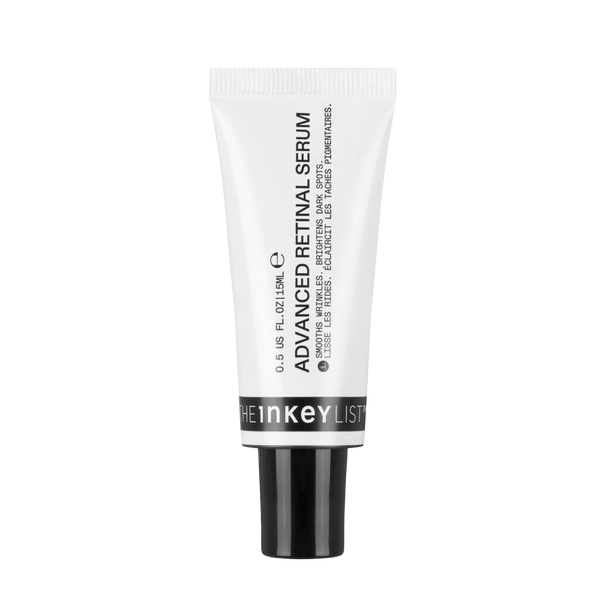
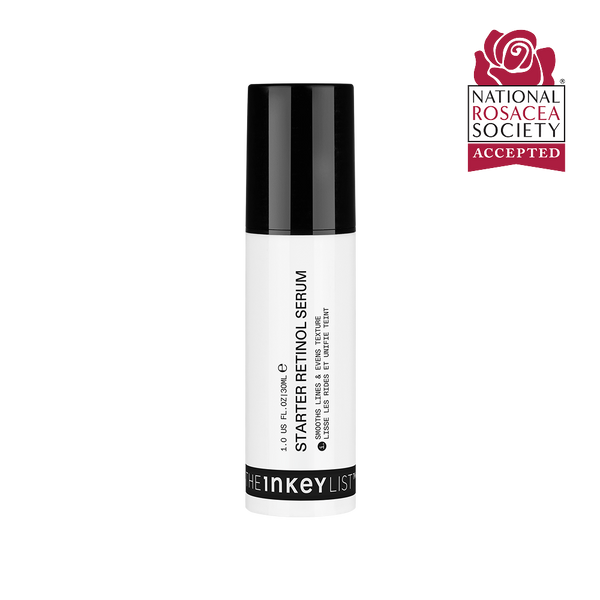
- Evening: Starter Retinol Serum if you are easing in, or Advanced Retinal Serum if you are already comfortable with retinoids.
This is general guidance, and skin tolerance varies from person to person, so starting slowly always matters. Now let us look at what each ingredient is actually doing under the surface, because understanding the “why” makes the routine far easier to stick to.
What Azelaic Acid and Retinol Actually Do for Your Skin
Great skincare starts with understanding, not guesswork. Before you decide how to slot two ingredients into your day, it helps to know exactly what each one brings to the table. The more you understand the job each product is doing, the easier it becomes to build a routine you can actually stick with.
Let us start with azelaic acid. Despite the word “acid,” it is remarkably gentle and genuinely multi-tasking. Azelaic acid is best known for calming the look of redness, fading the appearance of post-blemish marks, and supporting a more even skin tone over time. It tends to be well tolerated, which is why it is a favourite for sensitive and blemish-prone skin that might find other actives a little too intense. If your main concerns are uneven tone, lingering marks after a break out, or a general look of ruddiness, azelaic acid is the ingredient quietly doing the heavy lifting. You will find it front and centre in the 10% Azelaic Acid Serum for Redness Relief, formulated at a concentration that balances visible results with comfort.
Now, retinol. This is the one with the reputation, and for good reason. Retinol is a vitamin A derivative and one of the most researched ingredients in all of skincare. Its headline act is supporting skin renewal, which in plain terms means helping to smooth the appearance of texture and soften the look of fine lines over time. Retinol is a long game, not an overnight miracle, and the magic really shows up with consistent use across weeks and months rather than days.
Here is an important nuance that often gets missed. Not all retinoids are created equal, and your starting point should match your experience level.
- If you are new to vitamin A, the Starter Retinol Serum is designed as a gentle ease-in option. It lets your skin get acquainted with the ingredient without throwing it in at the deep end.
- If you are already comfortable with retinoids and ready to step things up, the Advanced Retinal Serum offers a more advanced formula. In the EU, this serum is formulated at 0.2% Retinal, a potent, fast-acting form of vitamin A for those who know their skin can handle it.
Think of it as two doors into the same room. Beginners walk through the gentle one, and experienced users can take the step up when they are ready.
So why do these two ingredients make such a good team? Because they address different layers of a skin concern. Azelaic acid works primarily on tone, redness, and the marks left behind by congestion and break outs. Retinol focuses on renewal and the visible signs of ageing. They are not duplicating each other’s efforts, which means a well-built routine gets you two distinct sets of benefits rather than one.
This is also exactly why the AM and PM split works so well. When you use azelaic acid in the morning and retinol at night, each ingredient gets a clear run at its own job. They are not competing for the same window of absorption, and your moisture barrier is not being asked to process two heavy-hitters at the same time. It is a small scheduling decision that makes a big difference to comfort and results.
There is one more practical reason retinol belongs in the evening. Retinol can increase your skin’s sensitivity to the sun, which is why the nighttime slot suits it best, and why daily SPF becomes non-negotiable. Azelaic acid, by contrast, is gentle enough for daytime use and sits happily under sunscreen, making it a natural fit for your morning routine.
If your skin leans oily or blemish-prone, you might also consider working a Niacinamide Serum into the mix for oil control and the look of refined pores, but we will get to tailoring the routine shortly. For now, the key idea is this: clinically backed concentrations, explained simply, at an honest price. That is the philosophy, and it is why you do not need a cupboard full of products to see real change. Once you understand what each ingredient does on its own, the next question answers itself: why not just use them together?
Why Azelaic Acid and Retinol Work Best Apart, Not Layered
It is a fair question, and one worth answering clearly. If both ingredients are effective, why not simply apply them one after the other and double up your results? The honest answer is that you can technically layer them, but you probably should not, and the reasoning has nothing to do with the two being dangerous together.
Both azelaic acid and retinol are active and effective on their own. That is precisely the point. Stacking two actives in a single application asks a lot of your skin barrier all at once. Your barrier is the protective outer layer that keeps moisture in and irritants out, and it can only process so much before it starts to protest. When you overload it, the results are rarely the glowing skin you were hoping for.
So what does “too much” actually look like? The signs of overdoing actives tend to be fairly consistent:
- Dryness that does not resolve with your usual moisturiser.
- A tight, uncomfortable feeling, especially after cleansing.
- Flaking or patchiness, sometimes mistaken for a new skin problem.
- Increased sensitivity, with products that used to feel fine suddenly stinging.
These signs show up most often in people who are newer to retinol or azelaic acid, or who have ramped up frequency too quickly. The frustrating part is that irritation can actually set your progress back, because stressed skin is not in a good place to show off the benefits of either ingredient.
Let us be clear about what this is and is not. This is not a case of two incompatible ingredients that will cancel each other out or cause harm if they touch. There is no chemistry horror story here. It is simply a matter of optimising comfort and results by giving each ingredient its own time to work. Split them across your day and you sidestep the barrier overload entirely.
The fix could not be simpler:
- Azelaic acid in the AM, paired with SPF.
- Retinol in the PM, as one of the last steps before your moisturiser.
That is genuinely most of the battle won. And here is a useful bit of logic to carry with you: this same routine-building principle applies to almost any strong active you want to pair with retinol, not just azelaic acid. If you have ever wondered how to use azelaic acid and retinol together without irritation, the “together but apart” approach is your answer, and it scales to other actives too.
If comfort is your priority, you can build in a hydration buffer. A layer of Hyaluronic Acid Serum can be applied alongside either active to support a plumper, more cushioned feel, and a barrier-supporting moisturiser like the Bio-Active Ceramide Moisturizer helps reinforce your skin while it adjusts to new actives. Ceramides are the lipids that help hold your barrier together, so topping them up is a smart move when you are introducing something new.
For those who want to build tolerance slowly, and most people benefit from doing exactly that, start with the Starter Retinol Serum just two to three nights a week. Let your skin tell you how it is coping before you increase frequency, and only progress to an advanced retinal once your skin is comfortable and asking for more. Slow and steady genuinely wins here.
With the reasoning sorted, it is time for the practical part. Here is exactly how to build your morning and evening routine around these two ingredients, step by step.
How to Build Your AM and PM Routine (Step-by-Step)
Knowing the theory is one thing. Having a routine you can follow tonight is another. This is the part you can bookmark, because a good azelaic acid retinol routine is less about having lots of products and more about using a few well-chosen ones in the right order and at the right time.
Let us split it into morning and evening, exactly as your skin prefers.
Your morning routine
- Cleanse. Start with a clean base so your actives can absorb properly.
- Apply your azelaic acid serum. Smooth on the 10% Azelaic Acid Serum for Redness Relief (€17.00) while your skin is still slightly damp. This is your daytime workhorse for redness and tone.
- Add a hydrating step if needed. If your skin feels like it wants a little extra, a few drops of Hyaluronic Acid Serum (€10.00) adds a cushion of hydration.
- Finish with SPF. This step is not optional. Lock everything in with the Dewy Sunscreen SPF 30 (€15.00). Daily sun protection is what allows all your other hard work to actually show.
Your evening routine
- Cleanse. Remove the day, along with any sunscreen and build-up.
- Apply your retinol. If you are new to vitamin A, reach for the Starter Retinol Serum (€14.00) and use it just a few nights a week to begin with. If you are already comfortable with retinoids, the Advanced Retinal Serum(€21.00, 0.2% Retinal) is your step-up option.
- Follow with moisturiser. Seal everything in with the Bio-Active Ceramide Moisturizer (€20.00) to support your barrier while you sleep. This is also where a lot of your overnight recovery happens.
A few ground rules make all the difference when you are putting this into practice.
First, patch test and introduce one new active at a time. It is tempting to overhaul your whole shelf in one weekend, but if something does not agree with you, you will have no idea which product was responsible. Add azelaic acid, let it settle in, then introduce retinol a week or two later.
Second, be realistic about timelines. Consistency over weeks, not days, is what delivers visible results with both ingredients. Skin renews on its own schedule, and no serum can rush biology. Give it four to twelve weeks of steady use before you judge the outcome.
Third, respect the frequency difference between the two. Azelaic acid can typically be used daily, morning after morning, without fuss. Retinol is different and rewards patience. Ease in gradually, start with a gentle starter retinol a few nights a week, and only progress toward an advanced retinal over time as your skin builds tolerance.
A quick note on layering order within each routine: the general principle is thinnest to thickest. Watery serums go on first, richer creams last. That is why your moisturiser sits at the end of the evening line-up, sealing in the retinol beneath it.
This blueprint works beautifully for most people as a starting point. But skin is personal, and the best routine is the one tailored to your particular skin type and concern, which is exactly where we are heading next.
Tailoring the Routine to Your Skin Type and Concern
No two faces are quite the same, and the generic routine above is a foundation rather than a finished house. The real art is adjusting it to suit what your skin actually needs. Here is how to shape an azelaic acid retinol routine around your specific skin type and primary concern, so you see yourself in the advice rather than a one-size-fits-all template.
If your skin leans oily or blemish-prone
Oily and blemish-prone skin often does well with azelaic acid, because it works on both tone and the marks left behind by break outs without being heavy or pore-clogging. In the morning, pair your azelaic acid with a lightweight hydrator rather than a rich cream so your skin feels comfortable but never greasy. On the nights you are not using retinol, consider a niacinamide-led step. The Niacinamide Serum can help with oil control and the appearance of pores, making it a smart companion on your “off” retinol evenings. The goal is balance, not stripping your skin dry, because over-cleansed, over-treated skin often responds by producing even more oil.
If your skin leans dry or sensitive
For drier or more sensitive skin, the headline is hydration and barrier support. Both actives can still absolutely work for you; they just need a softer landing. Lean on a hydrating base and a barrier-supporting finish, layering Hyaluronic Acid Serum for moisture and sealing with the Bio-Active Ceramide Moisturizer to keep your barrier happy. Ease retinol in especially slowly here, starting with the gentle Starter Retinol Serum once or twice a week and increasing only when your skin feels ready. Sensitive skin rewards patience more than any other type.
Start slow, and your skin will thank you. There is no prize for rushing retinol, and plenty of comfort in taking your time.
If your main concern is uneven tone or post-blemish marks
This is azelaic acid’s time to shine. Its redness-relief and tone-evening benefits are exactly what uneven skin and lingering post-blemish marks respond to. The key word is consistency. Used every single morning, azelaic acid quietly works away at the appearance of marks and patchiness over the following weeks. Pair it with diligent SPF, because unprotected sun exposure can deepen the look of marks and work directly against your efforts.
If your main concern is fine lines and early signs of ageing
Here the spotlight moves to the evening and your retinol step, which does the most work on the look of fine lines and texture. Beginners should still start with the Starter Retinol Serum, but experienced users chasing more visible renewal can step up to the Advanced Retinal Serum at 0.2% Retinal in the EU. Whichever you choose, pair it with a barrier-supporting moisturiser so your skin stays resilient while that renewal happens overnight. Azelaic acid still has a role in the morning, keeping tone even so your overall complexion looks brighter and more refreshed.
A gentle reminder woven through all of this: skin needs and tolerance genuinely vary from person to person. These are starting points, not rigid commandments. If your skin leans dry, lean into hydration. If it leans oily, keep things light. Listen to what your skin is telling you, adjust accordingly, and do not be afraid to slow down if something feels like too much.
Tailoring the routine to your skin type covers the big picture. But there are a handful of small, avoidable mistakes that can trip up even a well-designed routine, so let us tackle those next.
Common Mistakes to Avoid When Combining Actives
Even the best-intentioned routine can go sideways with a few easy-to-miss missteps. The good news is that every one of these is common, completely fixable, and nothing to panic about. Think of this as your pre-flight checklist for combining azelaic acid and retinol without drama.
Mistake one: applying both azelaic acid and retinol in the same routine. This is the big one, and it is the exact habit this whole blog is designed to help you avoid. Cramming both actives into a single morning or evening is the fastest route to an overworked barrier. Split them AM and PM, and this mistake disappears entirely.
Mistake two: introducing retinol at full strength or nightly use too quickly. Enthusiasm is wonderful, but your skin needs time to adapt to vitamin A. Jumping straight to nightly use, or starting with a strong formula before your skin is ready, is a classic cause of irritation. Ease in with a gentle Starter Retinol Serum a couple of nights a week and build from there. There is no race.
Mistake three: skipping SPF in the morning. This one quietly undermines everything else you are doing. Both azelaic acid and retinol are working to even your tone and renew your skin, and unprotected sun exposure works directly against those goals. A broad-spectrum SPF each morning, such as the Dewy Sunscreen SPF 30, is the step that protects all your other efforts. Skipping it is a little like redecorating a room and then leaving the windows open in a storm.
Mistake four: skipping moisturiser after retinol. Retinol does its renewal work overnight, and your barrier appreciates some support while that happens. Leaving skin bare after your retinol step can leave it feeling tight and under-supported. A ceramide-rich finish like the Bio-Active Ceramide Moisturizer gives your skin the cushion it needs to recover comfortably.
Mistake five: not patch testing new actives. It takes a few minutes and saves a lot of guesswork. Before slathering a new product across your whole face, test it on a small area, particularly if your skin tends to feel reactive or sensitive. A patch test is the difference between discovering a sensitivity on your inner arm versus across your entire cheek.
Notice the thread running through all five of these: respecting your skin barrier. That is the quiet principle behind every good skincare decision. Clear guidance, proven ingredients, and real results do not come from rushing or piling on more products. They come from pacing your actives sensibly and giving your skin what it needs to stay strong. More is not better. Better is better.
Final Thoughts: Building a Routine That Works for Your Skin
If you take just one thing away, let it be this: azelaic acid and retinol can both support healthier-looking, more even, smoother skin, and they do it best when used on an AM and PM split. Azelaic acid handles redness and tone in the morning under SPF, retinol handles renewal and the look of fine lines overnight. No layering required, no competition, no overloaded barrier.
Good skincare is not about owning more products or building the most complicated routine on the shelf. It is about consistency and the right order. A handful of proven ingredients, used thoughtfully and regularly, will always outperform a crowded cabinet used haphazardly. That is the whole idea: clear guidance, proven ingredients, and real results, achieved through simple, honest routines rather than hype.
So start slowly. Reach for a gentle Starter Retinol Serum if you are new to vitamin A, pair it with your daily 10% Azelaic Acid Serum for Redness Relief, and only step up to the Advanced Retinal Serum once your skin is comfortable and ready for more. Listen to your skin, build up at its pace, and resist the urge to rush. The results are worth the patience.
Ready to build your routine?
Have a browse of the 10% Azelaic Acid Serum for Redness Relief, the Starter Retinol Serum, and the Advanced Retinal Serum to find the right fit for where your skin is right now. If you are new to either ingredient, start with one active at a time, and choose the gentle starter retinol before anything stronger. Take it slowly, keep it simple, and let your skin do the rest.
Frequently Asked Questions

Got a question?
Our askINKEY team are a friendly bunch of skincare experts with deep product knowledge and zero judgement. Whether you're an ingredient obsessive or just starting out, we'll make it make sense. No question too big. No question too small. We Give A Care, Every Day.


