


Retinol Purge: Is It Real, and What Should You Actually Expect?
A retinol purge can be real, but it is often confused with irritation. Here is how to tell the difference and get through it without quitting.
Author
askINKEY skincare advisor
Published
17 October, 2026
Time to read
5 minutes
If you have recently started using retinol and your skin looks worse before it looks better, you are not alone. This experience is often called a "retinol purge." It is one of the most searched questions in skincare, and it causes a lot of people to quit retinol far too early.
Here is the clear guidance you need: what a retinol purge actually is, whether it is real, how long it lasts, and how to get through it without damaging your skin barrier. We will keep the science simple and the advice practical.
What is a retinol purge?
A retinol purge is a temporary period of breakouts, flaking, or irritation that can happen when you first start using retinol. The idea is that retinol speeds up your skin cell turnover, which can bring underlying congestion to the surface faster than usual.
In plain English: retinol encourages your skin to shed old cells and produce new ones more quickly. Spots that were already forming beneath the surface can appear sooner than they otherwise would have. This can make it look like retinol is causing new breakouts, when in many cases it is simply speeding up a process that was already underway.
Is a retinol purge actually real?
This is where honesty matters. The "purge" is widely discussed, but the evidence behind it is more nuanced than social media suggests.
Retinol does increase skin cell turnover, and that part is well established. What is less clear is whether every reaction people call a "purge" is genuinely purging. In reality, a lot of what people experience in the first few weeks of retinol is irritation, not purging.
The difference matters. Purging tends to show up as small breakouts in areas where you usually break out, and it settles over a few weeks. Irritation shows up as redness, stinging, tightness, dryness, and flaking, often in areas where you do not normally break out.
If your reaction is mostly redness and flaking rather than spots, you are likely dealing with irritation from going too strong, too fast, rather than a true purge.
How long does a retinol purge last?
For most people, if a purge happens, it tends to settle within four to six weeks as your skin adjusts to the increased cell turnover. If you are still experiencing significant breakouts, redness, or discomfort well beyond six weeks, that is a signal that the product or your routine may not be right for your skin, and it is worth reassessing.
A helpful rule: a purge should get better over time, not worse. If things are steadily worsening, stop and reassess rather than pushing through.
How to tell the difference: purge, breakout, or irritation
It is likely a purge if: you are seeing small spots in your usual breakout zones, and they are improving over the weeks. Keep going gently, and reduce frequency if needed.
It is likely irritation if: you are seeing redness, stinging, tightness, or flaking. Scale back your frequency and focus on barrier support.
It is likely not a purge if: you are breaking out in areas you never normally break out, or if things are steadily worsening past six weeks. In that case, stop and rethink your approach.
How to get through a retinol purge without quitting
The goal is to let your skin adjust while keeping your barrier strong and comfortable. Here is a simple, supportive approach.
1. Start low and slow
The most common mistake is using too much retinol, too often, too soon. If you are new to retinol, begin with a gentle, beginner-friendly formula and build up gradually.
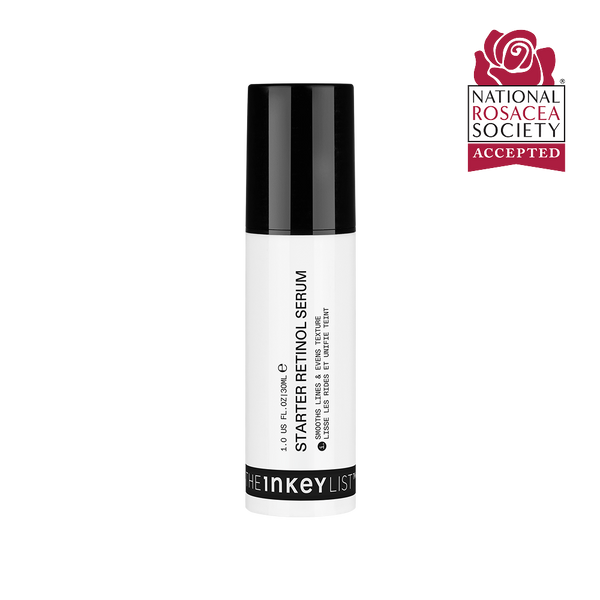
Our Starter Retinol Serum (€14) is designed exactly for this. It uses a slow-release retinol to help smooth fine lines, refine texture, and even tone, with less of the irritation that can come from stronger formulas. Start with two nights a week and only increase as your skin tolerates it.
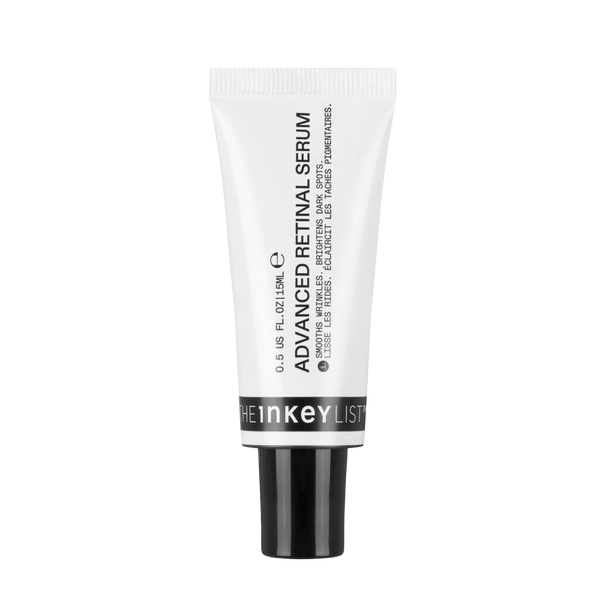
Once your skin is comfortable and used to retinol, you can progress to our Advanced Retinal Serum (€21), a higher-strength step for those who already have a dependable retinol routine and want to go further.
2. Use retinol at night only
Retinol works best in your evening routine. Apply it to clean, dry skin, and keep your amount to roughly a pea-sized dose for the whole face. More product does not mean better results, it usually just means more irritation.
3. Support your barrier with hydration
When your skin is adjusting to retinol, hydration is your best friend. A hydrating serum helps draw moisture into the skin and keeps it feeling comfortable.
Our Hyaluronic Acid Serum (€10) delivers lightweight, multi-layer hydration to help plump and smooth. Apply it to slightly damp skin before your moisturiser for longer-lasting comfort.
4. Lock it in with a barrier-supporting moisturiser
Follow your retinol with a moisturiser that strengthens and soothes. Our Bio-Active Ceramide Moisturizer (€20) helps restore essential lipids, strengthen the skin barrier, and deeply hydrate, which is exactly what skin needs while adjusting to retinol.
If you find retinol too drying at first, you can try the "sandwich method": apply a layer of moisturiser, then your retinol, then moisturiser again. This can help reduce irritation while your skin builds tolerance.
5. Calm redness and support even tone
If you are noticing redness or uneven tone while adjusting, a niacinamide serum can help. Our 10% Niacinamide Serum (€10) helps calm the look of redness, control excess oil, and improve overall texture. Use it in your routine on the nights you are not applying retinol, or in your morning routine.
6. Wear SPF every single day
Retinol can make your skin more sensitive to the sun, so daily sun protection is essential, not optional. Use a broad-spectrum SPF of at least 30 every morning, and reapply through the day when you are exposed to sun. Protecting your skin also helps safeguard the results your retinol is working towards.
What NOT to do during a retinol purge
Do not over-exfoliate. Combining retinol with strong acids or physical scrubs while your skin is adjusting can tip you from a mild adjustment into full irritation.
Do not quit at the first spot. If it is a genuine purge, it should settle. Give it time while keeping your routine gentle.
Do not pile on active ingredients. Keep your routine simple while your skin adjusts. Cleanse, hydrate, apply retinol, moisturise, and protect.
Do not skip moisturiser to "let the retinol work harder." Retinol does not work better on compromised skin. A strong barrier helps you tolerate it and see results.
A simple retinol starter routine
Evening, on retinol nights: Cleanse, then apply Hyaluronic Acid Serum on damp skin, then a pea-sized amount of Starter Retinol Serum, then seal with Bio-Active Ceramide Moisturizer.
Evening, on non-retinol nights: Cleanse, then apply 10% Niacinamide Serum, then Bio-Active Ceramide Moisturizer.
Morning: Cleanse, apply Hyaluronic Acid Serum, moisturise, then finish with a broad-spectrum SPF 30 or higher.
The bottom line
A retinol purge can be real, but it is often confused with simple irritation from starting too strong, too fast. The solution is the same either way: start low and slow, support your skin barrier, stay hydrated, protect with SPF, and give your skin time.
Begin with our Starter Retinol Serum (€14), and once your skin is comfortable and ready for more, progress to our Advanced Retinal Serum (€21). Clear guidance, proven ingredients, real results.
Frequently Asked Questions
Got a question?
Our askINKEY team are a friendly bunch of skincare experts with deep product knowledge and zero judgement. Whether you're an ingredient obsessive or just starting out, we'll make it make sense. No question too big. No question too small. We Give A Care, Every Day.


