



Salicylic Acid for Blackheads: Does It Work and How to Use It
alicylic acid is oil-soluble, so it gets inside the pore to dissolve the oil and dead skin that form blackheads, clearing existing ones and helping prevent new ones.
Author
askINKEY skincare advisor
Published
18 October, 2026
Time to read
4 minutes
Short answer: Yes. Salicylic acid is a beta hydroxy acid (BHA) that is oil-soluble, so it can get inside the pore, dissolve the mix of oil and dead skin that forms a blackhead, and help stop new ones from forming. Used consistently in a cleanser or serum, it clears existing blackheads and keeps pores looking smaller and clearer over time.
Blackheads are one of the most common skin concerns, and the advice around them is often confusing. This guide keeps it simple: what a blackhead actually is, why salicylic acid is the ingredient that targets it, and exactly how to use it without over-stripping your skin.
What Is a Blackhead?
A blackhead is a clogged pore. When excess oil (sebum) and dead skin cells build up inside a pore and the pore stays open at the surface, the trapped debris is exposed to air. That exposure oxidises the contents and turns them dark, which is the black dot you see. It is not trapped dirt, so scrubbing harder will not remove it and can make irritation worse.
Blackheads show up most often on the nose, chin and forehead, where oil glands are more active. This is why they are especially common for oily and combination skin.
Why Salicylic Acid Works on Blackheads
Most acids sit on the surface of the skin. Salicylic acid is different because it is oil-soluble. That means it can travel into an oily, clogged pore and work where the blackhead actually forms.
Here is what it does:
- Dissolves the clog. It breaks down the bond between dead skin cells and loosens the oil and debris inside the pore.
- Clears existing blackheads. By exfoliating inside the pore, it lifts out the blockage over time.
- Prevents new ones. Regular use keeps pores clear so oil and dead skin do not build up again.
- Helps control oil. Less congestion means pores look smaller and skin looks smoother.
In short, salicylic acid treats the cause of a blackhead, not just the appearance.
How to Use Salicylic Acid for Blackheads
Blackhead-prone skin does not need a complicated routine. It needs the right steps done consistently. Here is a simple approach.
Step 1: Cleanse with salicylic acid
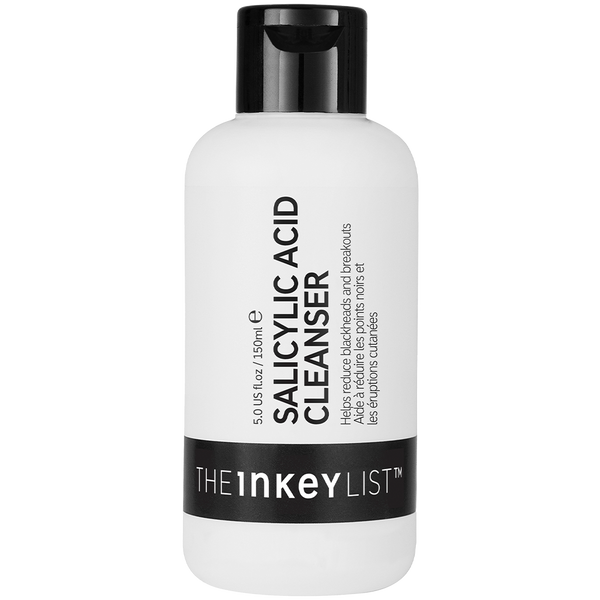
Start with a salicylic acid cleanser to deeply clean pores without stripping the skin. Because it rinses off, a cleanser is a gentle, beginner-friendly way to introduce salicylic acid into your routine daily.
Try the Salicylic Acid Cleanser (€14,00). It uses 2% Salicylic Acid to help clear blackheads and reduce breakouts, plus Zinc to help control oil and Allantoin to soothe, so it cleanses without leaving skin tight.
Tip: Cleanse for a full 60 seconds so the active ingredient has time to work inside the pore.
Step 2: Treat with a targeted serum
If you want a stronger step, follow your cleanser with a leave-on serum. A BHA serum stays on the skin and keeps working inside the pore between washes.
The Beta Hydroxy Acid (BHA) Serum (€11,50) uses 2% Salicylic Acid to exfoliate inside pores and help clear blackheads and blemishes while preventing new congestion.
For blemish-prone skin that also deals with marks and oil, the 360° Skin Clearing Serum (€18,00) combines 2% Salicylic Acid with 1% Dioic Acid to target three stages of a breakout: excess oil, active blemishes, and post-blemish marks, in one step.
Step 3: Balance oil and hydrate
Clearing pores works best when oil is kept in check without drying the skin out. The 10% Niacinamide Serum(€10,00) helps reduce excess oil, visible redness and the look of pores, with 1% Hyaluronic Acid to keep skin hydrated and balanced.
Step 4: Spot-treat when needed
For an individual raised spot or whitehead, you do not always need another acid. A Hydrocolloid Invisible Pimple Patch (€10,00) absorbs fluid, protects the area and helps it heal faster, and it sits invisibly under makeup.
For a stubborn, under-the-surface blemish, the Succinic Acid Treatment is a targeted spot treatment that helps calm and reduce the look of a blemish overnight.
How Often Should You Use Salicylic Acid?
Start with a salicylic acid cleanser daily and see how your skin responds. If you add a leave-on BHA serum, begin a few times a week and build up as tolerated. Blackhead-prone and oily skin can usually tolerate salicylic acid well, but listen to your skin: if it feels tight or looks irritated, reduce frequency.
Always finish your morning routine with SPF, as exfoliating acids can make skin more sensitive to the sun.
Mistakes to Avoid
- Over-scrubbing. Blackheads are not dirt. Harsh physical scrubbing irritates skin and can trigger more oil.
- Squeezing. Picking at blackheads can damage the pore and lead to marks or scarring.
- Over-exfoliating. More acid is not better. Too much can strip the barrier, which actually increases oil and congestion.
- Skipping moisturiser. Hydrated skin is balanced skin. Stripping it backfires.
How Long Does It Take to See Results?
Consistency is key. Many people notice clearer, smoother-looking skin within a few weeks of regular use, with continued improvement as pores stay clear and new blackheads are prevented. The goal is steady, long-term clarity, not an overnight fix.
The Bottom Line
Blackheads form when oil and dead skin clog a pore. Salicylic acid is the ingredient that targets this directly because it works inside the pore, clearing current blackheads and helping prevent new ones. Keep your routine simple: cleanse with salicylic acid, add a targeted serum if you want more, balance oil with niacinamide, and avoid the urge to scrub or squeeze.
Clear guidance. Proven ingredients. Real results.
Frequently Asked Questions
Got a question?
Our askINKEY team are a friendly bunch of skincare experts with deep product knowledge and zero judgement. Whether you're an ingredient obsessive or just starting out, we'll make it make sense. No question too big. No question too small. We Give A Care, Every Day.


