



Vitamin C and Tranexamic Acid for Dark Spots: How to Use Them Together
Yes, you can use Vitamin C and Tranexamic Acid together. Here's how this duo targets dark spots, how to layer it and when to expect results.
Author
askINKEY skincare advisor
Published
02 November, 2026
Time to read
8 minutes
Yes, you can use Vitamin C and Tranexamic Acid together, and they work better as a pair than either does alone. Each one targets a different stage of how dark spots form. There are no pH conflicts, and both are suitable for sensitive skin and safe during pregnancy and breastfeeding.
This guide explains how each ingredient works, how to layer them morning and night, and what results to expect week by week.
Key takeaways
- Vitamin C is an antioxidant. It protects skin from the UV and pollution damage that triggers new pigment, and it brightens overall tone.
- Tranexamic Acid blocks the signals that tell skin to overproduce pigment. This helps fade existing dark spots and post-blemish marks.
- Layering order: Hyaluronic Acid, then Vitamin C, then Tranexamic Acid, then moisturiser, then SPF in the morning.
- Timeline: brighter-looking skin in 2 to 4 weeks, and visible fading of dark spots in 6 to 8 weeks with daily use.
- Daily SPF is essential. Without it, UV keeps creating new pigment.
The two products in this guide:
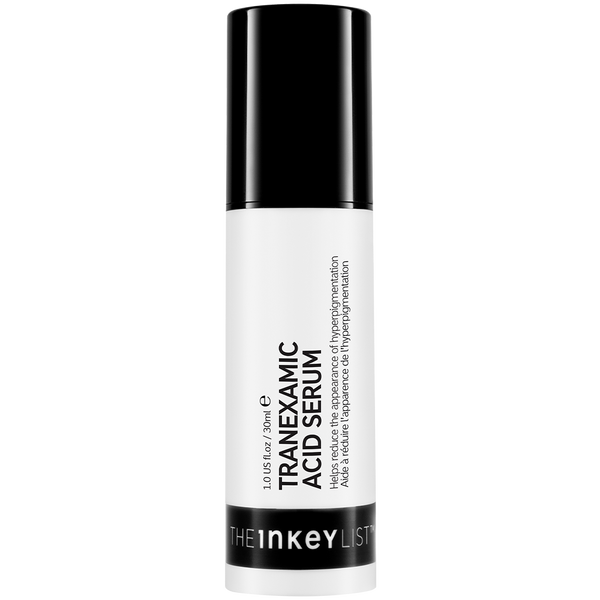
- Tranexamic Acid Serum (€18,50)
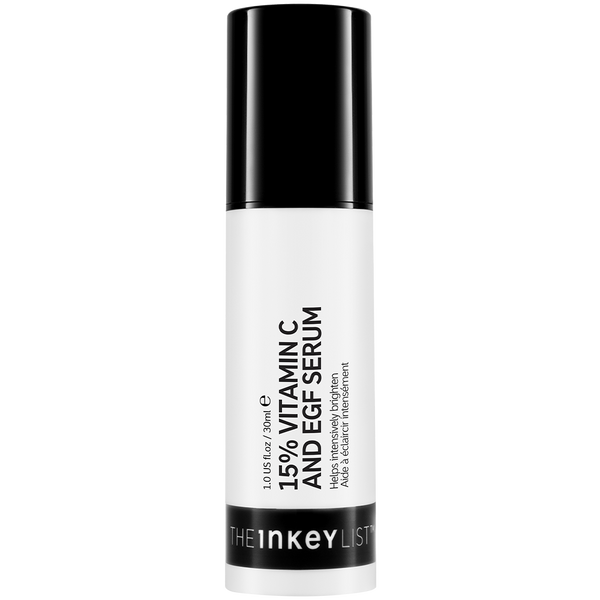
- 15% Vitamin C + EGF Serum (€18,00)
What causes dark spots?
Dark spots happen when skin produces more melanin (the pigment that gives skin its colour) than it needs. Melanin is made by cells called melanocytes. When skin is stressed, they speed up and deposit extra pigment in the upper layers of skin.
There are three common types:
- Sun spots: caused by years of UV exposure. They usually appear on the face, chest and hands.
- Post-blemish marks: caused by inflammation after a spot heals. They appear wherever breakouts were.
- Melasma: caused by hormonal changes and made worse by UV. It usually appears on the cheeks, upper lip and forehead.
Why do dark spots last so long? Skin renews its surface roughly every 28 to 40 days, and more slowly with age. Even after pigment production calms down, marks stay until those cells shed. The triggers also keep coming back: daily UV, hormones and new breakouts. That's why the most effective routines tackle both the trigger and the overproduction.
How does Tranexamic Acid fade dark spots?
Tranexamic Acid (often shortened to TXA) works by interrupting the chemical signals that tell melanocytes to make more pigment. When skin is stressed by UV or inflammation, it releases messengers that switch on pigment production. TXA blocks part of that signalling chain, so less excess melanin is made in the first place.
It's not an exfoliating acid or a retinoid. It doesn't resurface the skin, which is why it's gentle enough for twice-daily use.
Our Tranexamic Acid Serum (€18,50) contains:
- 2% Tranexamic Acid to visibly reduce hyperpigmentation
- 2% Acai Berry Extract to help even skin tone
- 2% Vitamin C derivative to brighten
What does the research say? A 2023 pilot study by Kaikati et al. tested 2% Tranexamic Acid with 2% Vitamin C, applied nightly for eight weeks, on melasma that hadn't responded to other approaches. Severity scores (MASI) fell from an average of 12.76 to 3.39, and no major side effects were reported. (PubMed)
How does Vitamin C help with dark spots?
Vitamin C works in two ways:
- Protection. UV and pollution create free radicals, unstable molecules that trigger inflammation and new pigment. Vitamin C neutralises them before they cause damage. That's why it's most useful in your morning routine.
- Brightening. It slows tyrosinase, the enzyme that turns the amino acid tyrosine into melanin. Over time, this leads to a brighter, more even-looking tone.
Our 15% Vitamin C + EGF Serum (€18,00) uses Ascorbyl Glucoside. This is a stable form of Vitamin C that converts on the skin, so it stays effective right to the end of the bottle and is gentler than pure L-ascorbic acid. It also contains 1% plant-based EGF to support skin renewal and smoother texture.
In an independent four-week consumer trial of 64 people:
- 87% agreed their skin looked brighter
- 88% saw a visible improvement in skin tone and texture
- 84% agreed their skin looked healthier and less dull
Why do Vitamin C and Tranexamic Acid work better together?
They target different stages of the same process:
Vitamin C
- Role: prevents the trigger
- How it works: neutralises UV and pollution damage
- Extra benefit: brightens overall tone
- Best time to use: morning
Tranexamic Acid
- Role: interrupts the overproduction
- How it works: blocks pigment-making signals
- Extra benefit: fades existing marks
- Best time to use: morning and/or evening
Vitamin C reduces the stress signals that start pigment production. Tranexamic Acid catches the process even when those signals still get through, which they will, because daily UV exposure is unavoidable. Using both covers the trigger and the overproduction.
A separate study compared the two ingredients after microneedling. Both independently reduced melasma severity, and Tranexamic Acid showed extra benefit for the redness that often comes with melasma. (PubMed)
Can you add Niacinamide? Yes. Niacinamide limits how much pigment moves from melanocytes into surrounding skin cells, which adds a third route to more even-looking skin. Our 10% Niacinamide Serum (€10,00) layers with both serums without conflict.
How to layer Vitamin C and Tranexamic Acid
Apply products from thinnest to thickest texture. Both serums are lightweight, so they go on early in your routine.
Morning routine
- Cleanse
- Hyaluronic Acid Serum (€10,00). Apply to damp skin to boost hydration.
- 15% Vitamin C + EGF Serum (€18,00). Press a pea-sized amount into skin.
- Tranexamic Acid Serum (€18,50). Press a pea-sized amount into skin, then wait up to 30 minutes before moisturiser if you can.
- Eye cream (optional)
- Vitamin B, C and E Moisturizer (€10,00)
- Dewy Sunscreen SPF 30 (€15,00). Don't skip this step.
Evening routine
- Cleanse. Double cleanse if you wore SPF or makeup.
- Hyaluronic Acid Serum
- Tranexamic Acid Serum
- Eye cream (optional)
- Vitamin B, C and E Moisturizer
Application tips
- A pea-sized amount of each serum covers the whole face. Using more won't speed up results.
- Pat products in rather than rubbing.
- Patch test any new product first.
- Keep Vitamin C away from retinol and exfoliating acids (AHAs and BHAs). Use Vitamin C in the morning and save those for the evening.
Who is this combination for?
- Sun spots: Vitamin C limits ongoing UV stress, while TXA works on the pigment it triggers.
- Post-blemish marks: these flat, dark marks are a pigment response, not scarring, and TXA targets the inflammation signals behind them.
- Melasma and hormonal pigmentation: both ingredients have been studied specifically in melasma.
- Sensitive skin: both serums are lightweight, non-comedogenic and suitable for sensitive skin.
- Medium to deep skin tones: these tones are more prone to marks after inflammation, which makes TXA especially relevant.
- Pregnancy and breastfeeding: both serums are confirmed suitable, unlike many retinoids and some exfoliants.
How long do Vitamin C and Tranexamic Acid take to work?
- Weeks 1 to 2: subtle radiance. Changes are mostly happening beneath the surface.
- Weeks 2 to 4: brighter, more even-looking tone and smoother texture.
- Weeks 4 to 6: dark spots and post-blemish marks start to visibly fade as skin renews.
- Weeks 6 to 8: clear visible fading for most people.
- Weeks 8 to 12+: continued improvement, especially for melasma and long-standing sun spots.
Both serums are designed for long-term daily use, so there's no need to cycle off. The biggest factor in your results is daily SPF: every unprotected day of UV exposure partly undoes the progress.
Shop the routine
The duo
Supporting steps
Frequently Asked Questions
Got a question?
Our askINKEY team are a friendly bunch of skincare experts with deep product knowledge and zero judgement. Whether you're an ingredient obsessive or just starting out, we'll make it make sense. No question too big. No question too small. We Give A Care, Every Day.


