



What Is Skin Purging? Your Complete Guide to Understanding and Managing the Process
Author
Written by one of our askINKEY skincare advisors
Published
16 September, 2021
If you’ve ever introduced a powerful new skincare ingredient like retinol or tretinoin into your routine only to watch in horror as your skin seemingly gets worse before it gets better, you’re not alone. That initial panic when you see new breakouts appearing just days after starting what should be a skin-saving product is one of the most common experiences in skincare—and one of the most misunderstood.
What you might be experiencing isn’t your skin rejecting the product or having an allergic reaction. Instead, you could be witnessing skin purging, a temporary but beneficial process that signals your new active ingredients are actually working exactly as they should. This phenomenon, while alarming at first glance, represents your skin’s natural response to accelerated cellular renewal and deep pore clearing.
Understanding skin purging is crucial for anyone serious about achieving their best skin. Without this knowledge, countless people abandon effective treatments just as they’re beginning to work, returning to less potent products that provide minimal long-term benefits. This comprehensive guide will demystify the entire process, helping you distinguish between beneficial purging and problematic reactions, manage the experience with confidence, and emerge with the clearer, healthier skin you’re seeking.
Whether you’re considering adding retinoids to your routine, have recently started using acids, or are currently questioning whether those new breakouts are normal, this article will provide the science-backed answers and practical strategies you need to navigate this transformative but temporary phase of your skincare journey.
What Is Skin Purging and Why Does It Happen?
The Science of Cell Turnover
Skin purging is fundamentally your skin’s way of fast-tracking its natural renewal process, bringing hidden congestion to the surface more quickly than it would naturally occur. To understand why this happens, we need to examine the intricate biological processes taking place within your skin when you introduce certain active ingredients.
Under normal circumstances, your skin follows a predictable renewal cycle that takes approximately 28 days from start to finish. During this cycle, new skin cells are generated in the deepest layer of your epidermis and gradually work their way up to the surface, where they eventually shed as dead skin cells. This process naturally unclogs pores and clears congestion, but at a relatively slow pace that may not keep up with your skin’s oil production or environmental factors that contribute to blockages.
How Active Ingredients Accelerate the Process
When you introduce active ingredients that accelerate cell turnover—such as retinoids, alpha hydroxy acids (AHAs), or beta hydroxy acids (BHAs)—you’re essentially speeding up this natural process. According to research on topical retinoids and cellular renewal, these ingredients can increase the rate of cell production and migration by up to 50%, effectively compressing what would normally be a month-long process into just two to three weeks.
This acceleration creates what many people experience as purging. Deep within your pores, there are likely comedones—small blockages of oil, dead skin cells, and bacteria—that would eventually surface naturally. When you use active ingredients, these hidden blockages are pushed to the surface much more quickly, creating the appearance of new breakouts. However, these aren’t truly “new” problems; they’re existing issues that are being resolved more efficiently.
The Key Distinction: Purging vs. Irritation
The key distinction here is crucial: purging brings existing congestion to light, while irritation or allergic reactions create entirely new problems. During purging, you’re witnessing your skin’s deep-cleaning process in action, similar to how cleaning out a cluttered closet might initially create more mess before achieving organization. The temporary increase in visible breakouts actually indicates that the active ingredient is successfully penetrating your pores and clearing congestion that might have taken months to surface naturally.
Different Ingredients, Different Mechanisms
Different active ingredients trigger purging through various mechanisms. Retinoids, including retinol and tretinoin, work by normalizing the way skin cells develop and shed, preventing the formation of comedones while clearing existing ones. As detailed in The INKEY List’s comprehensive guide to retinoids, these vitamin A derivatives essentially reprogram your skin cells to function more efficiently, but this reprogramming process involves purging accumulated debris.
Alpha hydroxy acids like glycolic and lactic acid work by dissolving the bonds between dead skin cells, allowing congested material to surface more easily. Beta hydroxy acid, particularly salicylic acid, is oil-soluble and can penetrate directly into oil-filled pores, clearing blockages from within. Vitamin C, while primarily known for its antioxidant properties, can also promote cellular renewal and potentially trigger mild purging in congested skin.
Why Purging Is Actually Positive
It’s important to understand that purging is actually a positive sign—it indicates that your chosen active ingredient has the potency to create real change in your skin. Products that never cause any initial adjustment period are often too gentle to produce significant long-term improvements. Medical research consistently shows that the most effective acne treatments and anti-aging ingredients typically involve an initial purging phase as they clear accumulated congestion and normalize skin function.
The intensity and duration of purging often correlate with the amount of underlying congestion in your skin and the potency of the product you’re using. People with more blackheads, whiteheads, and underlying congestion typically experience more noticeable purging, while those with relatively clear skin may notice minimal effects. This variability explains why some people sail through retinoid introduction with barely any issues, while others experience several weeks of increased breakouts.
Understanding this process helps reframe purging from a negative side effect into what it actually is: evidence that your skin is undergoing beneficial changes that will ultimately result in clearer, healthier skin in the long term.
How to Identify Skin Purging vs. Regular Breakouts
Distinguishing between beneficial skin purging and problematic breakouts is perhaps the most critical skill for anyone introducing active ingredients into their skincare routine. Making the wrong assessment could lead you to abandon an effective treatment prematurely or continue using a product that’s actually harming your skin. Fortunately, purging follows predictable patterns that, once you know what to look for, become relatively easy to identify.
Location Patterns: The Most Reliable Indicator
The most reliable indicator of purging versus adverse reaction lies in the location of your breakouts. Purging consistently occurs in areas where you typically experience congestion or breakouts, while irritation reactions tend to appear in new areas where you don’t normally have problems. If you usually break out along your T-zone and jawline, purging will intensify activity in these same areas. However, if you suddenly develop breakouts on your cheeks, temples, or other areas that are typically clear, this suggests irritation rather than purging.
Timing Indicators
Timing provides another crucial clue for proper identification. Purging typically begins within one to four weeks of starting a new active ingredient, with most people noticing changes within the first two weeks. According to research on retinoid-induced skin changes, the onset of purging correlates directly with when the active ingredient begins affecting cellular turnover rates. If breakouts appear immediately (within 24-48 hours) or don’t begin until more than six weeks after starting a product, irritation or other factors are more likely culprits.
Types and Behavior of Blemishes
The type and behavior of blemishes during purging also follow distinct patterns. Purging predominantly involves whiteheads, blackheads, and small papules—essentially the types of congestion that develop from comedones coming to the surface. These blemishes typically resolve relatively quickly, often within three to seven days, because they’re following the accelerated cellular turnover created by your active ingredient. In contrast, irritation reactions often involve deeper, more painful cystic breakouts, widespread inflammation, or blemishes that persist for weeks without coming to a head.
“True purging brings existing microcomedones to the surface faster than they would naturally appear. It’s your skin getting worse before it gets better, and it’s actually a sign that the product is working.” - Dr. Sam Bunting, Consultant Dermatologist
Overall Skin Texture Assessment
Pay careful attention to your overall skin texture and appearance during this period. During purging, even as breakout activity increases, you’ll often notice improvements in other aspects of your skin health. Your skin might feel smoother, look brighter, or show reduced signs of aging—changes that indicate the active ingredient is providing benefits even as it clears congestion. If your entire complexion looks worse, feels persistently irritated, or shows signs of damage like excessive dryness, flaking, or sensitivity, this suggests problems beyond normal purging.
Progression Patterns
The progression pattern of purging also differs significantly from reaction-based breakouts. Purging typically peaks around weeks two to four, then gradually decreases as your skin adjusts to the new routine. Each week should show slight improvement, even if progress feels slow. Adverse reactions, however, tend to worsen progressively or remain consistently problematic without signs of improvement.
Comfort and Sensitivity Levels
Consider your skin’s response to the product beyond just breakouts. Purging rarely involves severe discomfort, burning, stinging, or widespread inflammation. While you might notice some initial dryness or mild irritation as your skin adjusts to new active ingredients, severe reactions like persistent burning, widespread redness, or skin that feels compromised indicate problems that require immediate product discontinuation.
Size and Depth Analysis
Another useful diagnostic tool involves examining the size and depth of your breakouts. Purging typically produces smaller, surface-level blemishes that come and go relatively quickly. The breakouts often have a “rushed” quality to them—they appear, come to a head, and resolve faster than your typical breakouts would naturally. Problematic reactions more commonly involve deep, painful nodules, widespread inflammation, or breakouts that seem to linger indefinitely.
Baseline Congestion Correlation
It’s also worth noting that purging intensity often correlates with your baseline level of congestion. If you typically have clear skin with only occasional breakouts, purging will be relatively mild. However, if you’re dealing with persistent acne or significant blackhead congestion, purging may be more intense initially but will ultimately provide greater long-term benefits.
Documentation and Tracking
When evaluating your skin’s response, maintain a consistent perspective by taking progress photos in similar lighting conditions and keeping notes about the timing, location, and character of any breakouts. This documentation helps you track patterns and make informed decisions about whether to continue or modify your routine. Remember that proper layering of active ingredients can influence purging intensity, so ensure you’re not accidentally creating irritation through incompatible product combinations.
Understanding these distinction markers empowers you to make confident decisions about your skincare routine, allowing you to persist through beneficial purging while quickly identifying and addressing problematic reactions.
What Causes Skin Purging? Understanding Active Ingredients
The specific ingredients that trigger skin purging represent some of the most potent and effective compounds available in skincare today. Understanding how these ingredients work at a molecular level not only explains why purging occurs but also helps you anticipate and manage the experience more effectively. Each category of purging-inducing ingredients operates through distinct mechanisms, though they all ultimately accelerate the natural processes your skin uses to renew itself.
Retinoids: The Gold Standard
Retinoids stand as the gold standard for triggering beneficial skin purging, and their mechanisms of action are perhaps the most thoroughly researched in dermatological science. This family includes over-the-counter retinol, prescription tretinoin, adapalene, and other vitamin A derivatives that fundamentally reprogram how your skin cells develop and function. According to comprehensive research on retinoid formulations, these ingredients work by binding to specific nuclear receptors within skin cells, effectively switching on genes responsible for healthy cell development while switching off those that contribute to acne formation and premature aging.
When you begin using a retinoid like The INKEY List’s Starter Retinol Serum, you’re introducing a compound that normalizes the keratinization process—the way skin cells mature and shed. Normally, skin cells in acne-prone individuals tend to stick together more than they should, creating plugs that block pores. Retinoids correct this abnormal cellular behavior, but the correction process involves purging all the accumulated congestion that formed under the previous, dysfunctional cellular patterns.
The intensity of retinoid-induced purging often correlates with the strength and type of retinoid used. Prescription tretinoin typically causes more intense but shorter-duration purging compared to over-the-counter retinol, which tends to produce gentler but potentially longer-lasting adjustment periods. This difference relates to bioavailability—tretinoin is immediately active in skin cells, while retinol must be converted through several steps before becoming functionally active.
Alpha Hydroxy Acids (AHAs): The Exfoliating Powerhouses
Alpha hydroxy acids (AHAs) create purging through an entirely different mechanism focused on exfoliation and cellular adhesion. Glycolic acid, lactic acid, and other AHAs work by disrupting the bonds between dead skin cells, effectively dissolving the “glue” that holds accumulated debris within your pores. As detailed in skincare science literature, AHAs reduce corneocyte cohesion—the tendency of dead skin cells to clump together and create blockages.
This dissolution process explains why AHA-induced purging often involves a lot of whitehead activity. As the acid breaks down cellular adhesions, comedones that might have remained stable for weeks or months suddenly lose their structural integrity and surface rapidly. The purging typically occurs within the first few uses of an AHA product and tends to be more intense with higher concentrations or lower pH formulations.
Beta Hydroxy Acid (BHA): The Deep Penetrator
Beta hydroxy acid, primarily salicylic acid, operates through yet another mechanism that makes it particularly effective for oil-prone skin. Unlike AHAs, which are water-soluble and work primarily on the skin’s surface, salicylic acid is oil-soluble and can penetrate directly into sebaceous follicles. This penetration ability allows it to clear congestion from within the pore itself, often triggering purging that involves both surface whiteheads and deeper comedones.
The oil-soluble nature of salicylic acid means it can reach congestion that other ingredients might miss, potentially triggering purging in people who haven’t experienced it with other actives. This deep-penetration capability also explains why BHA-induced purging sometimes continues longer than AHA purging—it’s accessing and clearing congestion from multiple levels within the follicle structure.
Vitamin C: The Gentle Accelerator
Vitamin C, particularly in its most potent form as L-ascorbic acid, can also trigger mild purging through its effects on cellular metabolism and collagen production. While primarily known as an antioxidant, vitamin C stimulates cellular renewal processes that can accelerate the surfacing of existing congestion. The purging associated with vitamin C tends to be gentler and shorter-lived than that caused by retinoids or acids, often lasting only one to two weeks.
Concentration Matters: Intensity and Duration
The concentration of active ingredients plays a crucial role in purging intensity and duration. Higher percentages of active ingredients typically produce more dramatic purging that resolves more quickly, while lower concentrations may cause gentler, longer-lasting adjustment periods. This relationship explains why gradually increasing concentration—a practice called “retinization” with retinoids—can help minimize purging severity while still achieving full benefits.
Individual Response Factors
Individual factors significantly influence how you’ll respond to purging-inducing ingredients. Your skin’s baseline congestion level, barrier strength, cellular turnover rate, and genetic predispositions all affect both purging intensity and duration. People with naturally slower cellular renewal may experience longer purging periods, while those with compromised skin barriers might need to proceed more cautiously with active ingredient introduction.
Environmental and Lifestyle Influences
Environmental factors and lifestyle elements can also influence purging patterns. Stress, hormonal fluctuations, climate changes, and other skincare products in your routine can all affect how your skin responds to new active ingredients. Understanding these variables helps explain why purging experiences vary so dramatically between individuals and even between different periods in the same person’s life.
As outlined in The INKEY List’s retinol preparation guide, successful navigation of ingredient-induced purging often depends more on proper preparation and realistic expectations than on the specific ingredient chosen. The key lies in understanding that purging represents your skin’s transition to a healthier, more efficient cellular function rather than a negative reaction to treatment.
How Long Does Skin Purging Last? Timeline and Expectations
One of the most anxiety-inducing aspects of skin purging is not knowing when it will end. Setting realistic expectations about duration and progression can make the difference between successfully navigating this phase and abandoning effective treatments prematurely. While individual experiences vary significantly, purging follows predictable patterns that can help you gauge whether your skin’s response falls within normal parameters.
Typical Duration Overview
The typical purging timeline spans four to six weeks for most people, though this represents an average rather than a universal rule. According to multiple dermatological sources, including comprehensive research on skin purging timelines, the majority of people experience their most intense purging during weeks two through four, with gradual improvement beginning around week five and substantial improvement by week eight.
This timeline correlates directly with your skin’s natural renewal cycles and how active ingredients affect these processes. Your skin normally takes approximately 28 days to complete a full cellular turnover cycle, from the generation of new cells in the basal layer to the shedding of dead cells from the surface. When you introduce active ingredients that accelerate this process, you’re essentially compressing multiple renewal cycles into a shorter timeframe, which explains why purging typically peaks and begins resolving within a four-to-six-week window.
Initial Onset Phase
The initial onset of purging usually occurs within one to three weeks of starting active ingredients, with most people noticing changes within the first two weeks. This onset timing depends on several factors, including the specific ingredient used, its concentration, your skin’s baseline condition, and how frequently you’re applying the product. Retinoids tend to trigger purging more quickly than acids, often within the first week of use, while gentler ingredients like low-concentration AHAs might take two to three weeks to produce noticeable effects.
Peak Purging Period
During the peak purging period, typically weeks two through four, you’ll likely experience the highest level of breakout activity. This phase can feel overwhelming, but it’s important to understand that the intensity of purging often correlates with the ultimate benefits you’ll receive. Areas of your skin with more underlying congestion will show more dramatic purging initially but will also show more significant improvement once the process completes.
Resolution Phase
The resolution phase begins gradually, usually around week four, and continues through week eight and beyond. During this period, you should notice that new breakouts become less frequent and less intense, while your overall skin texture and appearance begin to improve. Individual blemishes may still appear, but they should resolve more quickly than your baseline breakouts and shouldn’t involve the same level of widespread activity experienced during peak purging.
Factors That Influence Duration
Several factors can influence your personal purging timeline, extending or shortening the process based on your individual circumstances. Your skin type plays a significant role—those with naturally oily skin or extensive comedonal acne often experience longer purging periods but also tend to see more dramatic long-term improvements. Conversely, people with combination or normal skin may experience shorter purging periods but might need to be more patient to see significant changes.
The specific product concentration and frequency of use directly impact purging duration. Higher concentrations of active ingredients typically produce more intense but shorter purging periods, while lower concentrations may extend the timeline but with less dramatic symptoms. Starting with lower frequencies—such as using retinol every other night rather than nightly—can extend the purging period but may make the experience more manageable.
Baseline Skin Condition Impact
Your skin’s current condition when you begin using active ingredients also affects timeline expectations. If you’re dealing with active acne or significant congestion, purging may last longer as your skin works through existing problems. However, if you’re primarily concerned with prevention or mild texture issues, purging may be minimal and resolve quickly.
Non-Linear Progression Patterns
It’s crucial to understand that purging isn’t always linear—you might experience waves of increased breakout activity rather than a steady progression. This pattern is completely normal and often reflects your skin’s natural cycles interacting with the effects of active ingredients. Hormonal fluctuations, stress, environmental factors, and other skincare products can all influence these waves, creating temporary setbacks that don’t necessarily indicate problems with your routine.
“The purging process tests your patience, but it’s during this phase that the most significant skin improvements are taking place beneath the surface. Those who persist through the full timeline almost always see transformative results.” - Dr. Sam Bunting, Consultant Dermatologist
Long-Term Perspective
Long-term perspective is essential when evaluating purging duration. While four to six weeks might feel like an eternity when you’re experiencing daily breakouts, this represents a relatively small investment compared to the months and years of improved skin health that typically follow successful completion of the purging process. Many people report that their skin continues improving for months after the initial purging period ends, with ongoing benefits that far outweigh the temporary discomfort.
Setting Milestone Expectations
Setting milestone expectations can help maintain motivation during challenging periods. By week two, you should have a clear sense of whether you’re experiencing purging or adverse reaction. By week four, purging activity should begin stabilizing, even if improvement isn’t yet dramatic. By week six, you should notice definite improvement in both breakout frequency and overall skin quality. If these milestones aren’t being met, it may be time to reassess your routine or consult with a dermatologist.
Remember that the purging timeline represents just the beginning of your skin’s transformation. The cellular changes initiated during this period continue working long after visible purging resolves, contributing to ongoing improvements in skin texture, clarity, and overall health that justify the initial investment of time and patience.
How to Manage Skin Purging: Practical Tips and Product Support
Successfully navigating skin purging requires a strategic approach that supports your skin’s natural healing processes while avoiding common mistakes that can prolong or intensify the experience. The key lies in maintaining consistency with your active ingredient while providing gentle, supportive care that helps your skin barrier remain healthy during this transitional period.
Gentle Cleansing Approach
The foundation of effective purging management starts with your cleansing routine. During purging, your skin is working overtime to expel accumulated congestion, making it essential to remove impurities gently without disrupting the cellular renewal process. Traditional harsh cleansers can strip your skin’s protective barrier just when it needs support most, potentially extending purging duration and increasing irritation.
The INKEY List’s Oat Cleansing Balm represents an ideal approach to purging-period cleansing. This gentle, nourishing cleanser removes impurities, makeup, and excess oil without disrupting your skin’s pH balance or compromising barrier function. The oat-based formula provides anti-inflammatory benefits while thoroughly cleansing, supporting your skin’s natural healing processes during the adjustment period.
For your cleansing technique, focus on gentle circular motions with lukewarm water, avoiding scrubbing or harsh mechanical exfoliation that could worsen inflammation. Double cleansing—using an oil-based cleanser followed by a gentle water-based cleanser—can be particularly beneficial during purging as it ensures thorough removal of congestion without over-cleansing.
Hydration Support
Hydration support becomes crucial during purging, as accelerated cellular turnover can temporarily compromise your skin’s ability to retain moisture. Dehydrated skin often responds to purging more severely and takes longer to recover, making proper hydration a key factor in minimizing discomfort and speeding resolution.
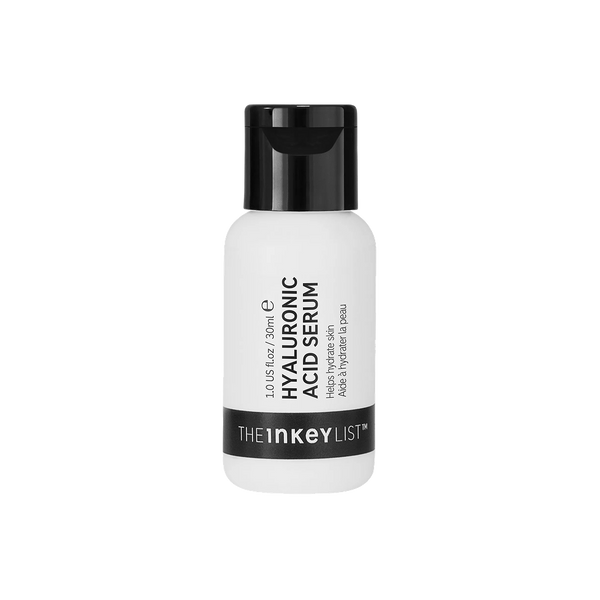
The INKEY List’s Hyaluronic Acid Serum provides an excellent hydration boost during purging periods. Hyaluronic acid can hold up to 1,000 times its weight in water, creating a moisture reservoir that supports cellular function while plumping the skin and reducing the appearance of temporary texture changes. Apply this serum to slightly damp skin for maximum effectiveness, allowing your skin to maintain optimal hydration levels even as it undergoes accelerated renewal.
Layer your hyaluronic acid serum under a gentle moisturizer to lock in hydration and create a protective barrier that supports healing. During purging, your moisturizer should be fragrance-free, non-comedogenic, and focused on barrier repair rather than additional active ingredients.
Inflammation Control
Inflammation control plays a vital role in managing purging symptoms and preventing the process from becoming more problematic than necessary. Niacinamide, also known as vitamin B3, offers particular benefits during this period due to its anti-inflammatory properties and ability to regulate sebum production without interfering with your primary active ingredients.
The INKEY List’s Niacinamide Serum provides these benefits in a gentle, well-tolerated formula that can be used alongside retinoids and acids without causing adverse interactions. Niacinamide helps minimize the inflammatory response associated with purging, reduces excess oil production that can contribute to breakouts, and supports overall skin barrier health during the adjustment period.
Sun Protection
Sun protection becomes absolutely critical during purging periods, as accelerated cellular turnover makes your skin significantly more photosensitive. Active ingredients like retinoids and acids remove the uppermost layers of dead skin cells that normally provide natural UV protection, leaving newly revealed skin vulnerable to damage. Additionally, inflammation from purging can be exacerbated by UV exposure, potentially prolonging the process.
Use a broad-spectrum SPF 30 or higher every day, regardless of weather or planned indoor activities. Choose a gentle, mineral-based sunscreen if your skin feels particularly sensitive during purging, and reapply every two hours when exposed to direct sunlight. Remember that UV damage during purging can cause post-inflammatory hyperpigmentation that takes months to fade, making prevention far preferable to treatment.
Managing Frequency and Concentration
The frequency and concentration of your active ingredient use requires careful management during purging. While consistency is important for achieving results, overwhelming your skin with too much too quickly can intensify purging beyond manageable levels or convert beneficial purging into problematic irritation.
Start with lower frequencies if you haven’t already—use your retinoid or acid product every other night initially, gradually increasing to nightly use as your skin adjusts. This approach, often called “retinization” with retinoid products, allows your skin to build tolerance while still triggering the beneficial cellular changes that lead to long-term improvement.
Avoid the temptation to add additional active ingredients or increase application frequency when purging begins. Many people mistakenly interpret initial breakouts as a sign that they need stronger or more frequent treatment, leading to over-treatment that can damage the skin barrier and convert beneficial purging into problematic irritation.
Patience and Consistency
Patience and consistency represent perhaps the most challenging but important aspects of purging management. The urge to constantly change products, add new treatments, or abandon the routine entirely during difficult periods is natural but counterproductive. As outlined in The INKEY List’s complete anti-aging routine guide, building an effective skincare routine requires allowing sufficient time for ingredients to work and skin to adjust.
Maintain detailed records of your skin’s progress through photos and notes, focusing on overall trends rather than daily fluctuations. This documentation helps maintain perspective during challenging periods and provides valuable information for adjusting your routine if necessary.
Lifestyle Support
Consider implementing stress management techniques during purging periods, as emotional stress can worsen skin inflammation and potentially prolong the adjustment period. Adequate sleep, regular exercise, and stress-reduction practices support your skin’s natural healing processes and may help minimize purging intensity.
Avoiding Product Conflicts
Finally, ensure you’re not inadvertently prolonging purging through incompatible product combinations. Review The INKEY List’s guide on what not to mix with retinol to avoid ingredients that could cause unnecessary irritation or reduce the effectiveness of your primary active ingredients.
Remember that purging management is ultimately about supporting your skin through a temporary but beneficial process. By providing gentle, consistent care while maintaining realistic expectations, you set the stage for the dramatic long-term improvements that make the initial adjustment period worthwhile.
When to Worry: Red Flags and When to Stop Treatment
While skin purging is a normal and often beneficial process, certain warning signs indicate when your skin’s response has moved beyond normal purging into problematic territory that requires immediate attention. Recognizing these red flags can prevent long-term skin damage and help you distinguish between temporary adjustment periods and serious adverse reactions that require product discontinuation or professional intervention.
Severe and Persistent Inflammation
Severe, persistent inflammation represents one of the most serious warning signs that purging has become problematic. Normal purging may involve mild redness and irritation, particularly during the first few weeks of treatment, but this should gradually stabilize as your skin adjusts. If you experience widespread, intense redness that worsens rather than improves over time, persistent burning or stinging sensations, or swelling that extends beyond treatment areas, these symptoms indicate inflammatory reactions that require immediate product discontinuation.
The inflammatory response during normal purging should remain proportional to the breakout activity and show signs of improvement as blemishes resolve. Inflammation that persists in areas where breakouts have cleared, spreads to untreated areas, or intensifies with continued product use suggests barrier damage or allergic reactions rather than beneficial purging.
Unusual Breakout Patterns
Breakout patterns that deviate significantly from your normal congestion areas provide another crucial warning sign. As discussed earlier, purging occurs in areas where you typically experience breakouts, following your skin’s natural congestion patterns. If you begin experiencing significant breakouts in areas that are normally clear—such as sudden cystic acne on cheeks when you typically only break out along your T-zone—this indicates irritation or allergic reaction rather than purging.
Pay particular attention to the development of deep, painful nodules or cysts that don’t come to a head within a reasonable timeframe. Normal purging predominantly involves surface-level blemishes like whiteheads and small papules that resolve relatively quickly. Deep cystic lesions that persist for weeks, continue expanding, or feel increasingly painful suggest inflammatory reactions that require professional evaluation and potential treatment modification.
Extended Timelines Without Improvement
Extended timelines without improvement provide another critical warning sign. According to comprehensive research on tretinoin treatments, normal purging should show signs of improvement by eight to ten weeks, with most people experiencing stabilization much earlier. If your skin continues worsening or shows no signs of improvement after ten weeks of consistent use, this suggests the treatment isn’t appropriate for your skin type or that other factors are interfering with the healing process.
Be particularly concerned if purging activity intensifies rather than stabilizes after the initial four-to-six-week period. While purging can involve waves of activity, the overall trend should be toward improvement, with each subsequent wave being less intense than the previous one. Progressively worsening breakouts after two months of consistent use typically indicate problems that require professional assessment.
Skin Barrier Compromise
Skin barrier compromise represents a serious condition that requires immediate attention regardless of whether breakouts are technically “purging.” Signs of barrier damage include persistent flaking or peeling that doesn’t improve with moisturization, skin that feels tight and uncomfortable even after applying hydrating products, increased sensitivity to previously well-tolerated products, and visible changes in skin texture such as excessive roughness or thinning.
Compromised skin barriers can’t heal properly from purging and may actually make congestion worse by allowing increased bacterial penetration and reducing the skin’s natural defense mechanisms. If you notice signs of barrier damage, suspend active ingredient use temporarily while focusing on barrier repair with gentle, hydrating products.
Systemic and Unusual Reactions
Systemic reactions or symptoms that extend beyond the treatment area indicate serious adverse reactions requiring immediate discontinuation. These might include widespread itching, rash development on untreated skin areas, respiratory symptoms, or any signs of allergic reaction such as hives or swelling. While rare with topical skincare ingredients, these reactions can be serious and require immediate medical attention.
Changes in your skin’s fundamental characteristics should also raise concern. If your normally oily skin becomes excessively dry and tight, or if your typically resilient skin becomes persistently sensitive to environmental factors like wind or temperature changes, these alterations suggest that the treatment is disrupting your skin’s natural function rather than improving it.
Individual Tolerance Considerations
Individual tolerance factors play a crucial role in determining when to discontinue treatment. Some people may need to stop treatments that would be perfectly appropriate for others due to personal sensitivities, medical conditions, or life circumstances that interfere with proper healing. There’s no shame in recognizing that a particular ingredient or concentration isn’t right for your skin at a given time.
Consider your overall quality of life and stress levels when evaluating whether to continue treatment. If purging is causing significant emotional distress, affecting your professional or social life, or creating anxiety that interferes with daily activities, it may be appropriate to modify your approach even if your skin’s response technically falls within normal parameters.
Medical Conditions and Medications
Certain medical conditions and medications can affect how your skin responds to active ingredients, potentially making normal purging more intense or prolonged. If you have conditions like eczema, rosacea, or autoimmune disorders, or if you’re taking medications that affect skin sensitivity, consult with a dermatologist before continuing aggressive treatments during problematic purging periods.
When to Seek Professional Help
Professional consultation becomes essential when warning signs appear, but it’s also valuable for people experiencing normal but intense purging who want reassurance or guidance on management strategies. Dermatologists can provide prescription alternatives, combination therapies, or modified approaches that might be more suitable for your individual needs.
Remember that discontinuing a treatment that’s causing problematic reactions doesn’t represent failure—it represents smart skincare. Many effective treatments require timing, proper preparation, or gradual introduction to be successful. Taking a break to address skin barrier health, consulting with professionals, or trying alternative approaches often leads to better long-term results than persisting through genuinely problematic reactions.
The goal of any skincare routine should be healthier, more resilient skin over time. If your current approach is compromising your skin’s fundamental health or causing distress that outweighs potential benefits, adjusting your strategy represents wisdom rather than giving up. Trust your instincts while staying informed about normal versus problematic responses, and don’t hesitate to seek professional guidance when uncertainty arises.
Conclusion
Skin purging, while initially alarming, represents one of the most encouraging signs that your skincare routine is working to create lasting, meaningful change. Understanding this process transforms what could be a panic-inducing experience into a manageable transition period that ultimately leads to the healthier, clearer skin you’re seeking. The key to success lies not in avoiding purging altogether—which often means avoiding the most effective treatments—but in recognizing it for what it is and supporting your skin through the adjustment period.
The scientific reality is that the most transformative skincare ingredients almost always require an adjustment period as they reprogram your skin’s cellular behavior and clear accumulated congestion. Retinoids, acids, and other active ingredients that deliver dramatic long-term results simply can’t work without accelerating cellular turnover and bringing hidden problems to the surface. Those who understand and persist through purging consistently achieve better skincare outcomes than those who abandon effective treatments at the first sign of increased breakout activity.
Your ability to distinguish between beneficial purging and problematic reactions empowers you to make informed decisions about your skincare routine rather than relying on fear or misinformation. Normal purging occurs in your typical breakout areas, follows predictable timelines, and involves blemishes that resolve more quickly than your baseline breakouts. It may be intense initially, but it should show signs of improvement within reasonable timeframes and be accompanied by overall skin health improvements.
The practical management strategies outlined in this guide—gentle cleansing, proper hydration, inflammation control, sun protection, and patient consistency—represent evidence-based approaches that minimize discomfort while supporting your skin’s natural healing processes. By implementing these supportive measures, you create the optimal environment for successful purging resolution and long-term skin improvement.
Perhaps most importantly, remember that purging timelines represent temporary investments in long-term skin health. Four to six weeks of increased breakout activity, while challenging, represents a small fraction of your skincare journey. The months and years of improved skin clarity, texture, and overall health that typically follow successful purging make this initial period worthwhile for the vast majority of people who persist through the process.
Trust in the science behind effective skincare ingredients, support your skin with gentle, consistent care, and maintain realistic expectations about the timeline for results. Your patience during the purging period will be rewarded with the transformative results that make effective active ingredients worth using in the first place.
Ready to start your journey with confidence-building, science-backed skincare? Our carefully formulated Retinol Serum provides an excellent introduction to vitamin A benefits, while our Hyaluronic Acid Serum and Oat Cleansing Balm offer the gentle, supportive care your skin needs during any adjustment period. Browse our affordable, effective solutions and take the guesswork out of building a routine that works for your skin’s unique needs—because everyone deserves access to ingredients that actually work.

Got a question?
Our askINKEY team are available 24/7 on our live chat. A friendly bunch, all experts with deep product knowledge, ready to make skincare as simple as possible. Whether you are an ingredient expert or starting your journey, no question is too big or too small, no judgement or jargon, we’re here to help and be part of your journey.


