



5 Exosome Skincare Myths Debunked
Published
13 March, 2026
Exosomes have suddenly become the buzzword in skincare circles across the UK. From €200+ luxury serums flooding Selfridges to Instagram influencers promising overnight transformations, these tiny cellular messengers are everywhere. But with the surge in popularity has come a tidal wave of misinformation, unrealistic claims, and frankly confusing marketing speak that leaves even the most dedicated skincare enthusiasts scratching their heads.
As dermatologists and researchers continue publishing studies on exosome effectiveness, the gap between scientific reality and marketing hype has never been more apparent. That's where we come in. At The INKEY List, our mission has always been to make cutting-edge skincare science accessible without the intimidation factor or premium price tags that usually come attached.
This comprehensive guide will tackle the 5 most persistent myths surrounding exosome skincare, backed by dermatologist insights and the latest clinical research. By the end, you'll confidently navigate the exosome landscape, understand what actually works, and know exactly what to look for when shopping for products.
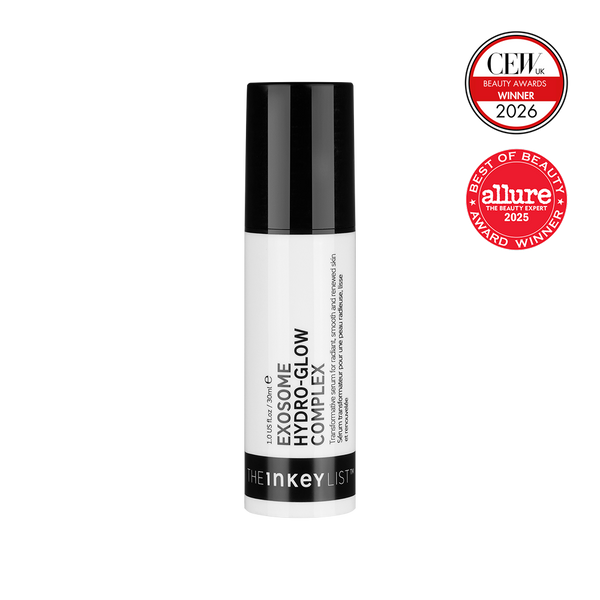
Speaking of which, if you're curious about our approach to exosome skincare, our Exosome Hydro-Glow Complex demonstrates how plant-based exosome technology can deliver professional-grade results for just €23 - but more on that as we explore the science together.
Let's separate myth from reality and discover what dermatologists actually want you to know about exosomes.
What Exosomes Actually Are (And Why That Matters)
Before we debunk the myths, let's establish the scientific foundation. Exosomes are microscopic extracellular vesicles, measuring just 30-150 nanometers - that's roughly 300 times smaller than a single pore. Think of them as biological "message carriers" that transport proteins, lipids, and genetic material between cells, facilitating crucial cell-to-cell communication.
In healthy skin, exosomes play a vital role in coordinating wound healing, collagen synthesis, and maintaining barrier function. When applied topically in skincare products, they're designed to enhance these natural processes, potentially improving skin texture, hydration, and overall appearance.
Recent clinical research demonstrates that exosome treatments can accelerate wound healing by 30-40%, enhance collagen organisation, and significantly reduce inflammation markers. Studies published in the Journal of Clinical and Aesthetic Dermatology show measurable improvements in skin elasticity, pore appearance, and overall radiance when exosomes are properly formulated.
However, not all exosomes are created equal. The source matters tremendously: plant-derived exosomes (like our Cica Exosome™) offer ethical, sustainable benefits with lower risk of immune reactions. Animal-derived versions provide better biological compatibility but raise ethical concerns, whilst human-derived exosomes, though potentially most effective, pose significant safety and ethical questions.
Understanding this foundation helps explain why so many myths have emerged. When consumers see "exosomes" on a label, they're often unaware of these crucial distinctions, leading to confusion about what they're actually purchasing and what results they can realistically expect.
Myth #1: All Exosomes Are Created Equal
The Truth: Source, extraction method, and formulation quality create dramatically different products, despite similar marketing claims.
Perhaps the most dangerous misconception in exosome skincare is the assumption that all products are comparable. Marketing teams love throwing around impressive numbers - "Contains 3 million exosomes!" - without providing context about origin, viability, or formulation science.
Plant-derived exosomes, like the Cica Exosome™ in our Exosome Hydro-Glow Complex, offer several advantages for skincare applications. They're cruelty-free, sustainably sourced, and carry a significantly lower risk of immune reactions compared to animal or human-derived alternatives. Centella asiatica (Cica) specifically provides anti-inflammatory properties that complement the cellular communication benefits of exosomes.
Animal-derived exosomes, whilst potentially offering better biological compatibility with human cells, raise obvious ethical concerns and require more complex purification processes. Human-derived exosomes, though theoretically superior for regenerative properties, pose serious safety questions about contamination and immune responses that haven't been fully resolved.
Beyond source material, the extraction and purification processes vary dramatically between manufacturers. Research comparing extraction methods shows that ultracentrifugation, size-exclusion chromatography, and polymer precipitation all yield different exosome populations with varying biological activity.
Quality control in manufacturing affects whether exosomes remain viable and functional by the time they reach your bathroom cabinet. Many brands don't invest in stability testing, meaning their "millions of exosomes" might be largely inactive by purchase time.
The takeaway? Don't be swayed by impressive numbers alone. Focus on reputable brands that transparently share their exosome source, extraction methods, and supporting clinical data.
Myth #2: You Need Injections to See Results
The Truth: Topical exosome products can be highly effective whilst avoiding the risks and costs of professional procedures.
This myth stems from early exosome research, which predominantly focused on injection-based therapies for wound healing and regenerative medicine. Because these studies showed dramatic results, many assumed injections were the only viable delivery method for skincare benefits.
However, recent clinical studies demonstrate that topically applied exosome serums can significantly improve wrinkle depth, pore appearance, skin evenness, and reduce excessive oiliness. The key lies in formulation science and the incredibly small size of exosomes themselves.
At 30-150 nanometers, exosomes are roughly 300 times smaller than skin pores, allowing them to penetrate the stratum corneum when properly formulated. Supporting ingredients like hyaluronic acid, peptides, and penetration enhancers can facilitate deeper delivery into the dermis where exosomes exert their cellular communication effects.
Professional exosome injections do carry legitimate risks that topical applications avoid entirely. NBC News analysis highlights potential complications including scarring, infection, inflammatory reactions, and the need for multiple expensive sessions. Prices for professional treatments range from £300-800 per session, typically requiring 3-6 sessions for optimal results.
In contrast, quality topical exosome products like our Exosome Hydro-Glow Complex allow for daily application, consistent dosing, and zero procedural risks. The formulation combines exosomes with complementary actives like hyaluronic acid and Kollaren® peptides that enhance both penetration and efficacy.
The safety and accessibility advantages of topical application make it the sensible choice for most consumers seeking exosome benefits without medical intervention.
Myth #3: Exosomes Are FDA-Approved and Fully Proven
The Truth: The regulatory landscape is evolving, but no exosome products currently hold specific approvals for cosmetic dermatology use.
This myth reflects consumers' understandable desire for regulatory reassurance, particularly given the premium pricing of many exosome products. However, the reality is more nuanced and requires honest discussion about current evidence levels.
The FDA (and MHRA in the UK) don't currently regulate exosome products as medical devices or approve them for specific cosmetic claims. Instead, they fall under general cosmetic regulations, which focus on safety rather than efficacy validation. This doesn't mean exosomes don't work - it simply means the regulatory framework is catching up to the science.
The American Society of Plastic Surgeons acknowledges that whilst exosome research shows promise, many studies remain small-scale or focus on medical applications rather than cosmetic benefits. The clinical evidence base is growing rapidly, but comprehensive long-term studies are still emerging.
What we do know from current research is encouraging. Studies show measurable improvements in skin hydration, collagen synthesis markers, and inflammatory reduction when exosomes are properly applied. National Geographic's analysis provides balanced scientific perspective on both the potential and limitations of current evidence.
At The INKEY List, we're transparent about this evolving landscape. Our Exosome Hydro-Glow Complex combines exosomes with clinically proven supporting ingredients like hyaluronic acid, Ectoin, and peptides, ensuring benefits even as exosome research continues developing.
The key is maintaining realistic expectations whilst staying excited about the potential. Promising early results don't equal miracle cure claims, and reputable brands should communicate this honestly.
Myth #4: Exosomes Work Overnight (You'll See Results Immediately)
The Truth: Real exosome benefits require 4-6 weeks of consistent use, aligning with natural skin cell turnover cycles.
Perhaps the most damaging myth in exosome skincare is the expectation of immediate transformation. Social media culture, with its before-and-after posts showing "overnight" results, has created unrealistic timeline expectations that leave consumers disappointed and brands scrambling to explain why products don't work like face filters.
Exosomes work at the cellular level, influencing skin cell behaviour, collagen production, and barrier function - processes that inherently take time to produce visible results. Understanding skin cell turnover reveals why patience is essential: healthy skin regenerates every 28-40 days, meaning structural improvements need at least one complete cycle to become apparent.
Clinical studies measuring exosome effectiveness track improvements at 4, 8, and 12-week intervals specifically because meaningful change occurs gradually. Research tracking timeline progression shows hydration improvements within 1-2 weeks, texture refinement at 3-4 weeks, and visible fine line reduction at 6-8 weeks with consistent use.
What you can realistically expect:
- Week 1-2: Improved hydration and skin comfort
- Week 3-4: Smoother texture and enhanced radiance
- Week 5-6: Reduced appearance of fine lines and improved firmness
- Week 8+: Cumulative benefits and maintained results
This timeline applies whether you're using our £20 Exosome Hydro-Glow Complex or £200+ luxury alternatives. Quality formulation and consistent application matter more than premium pricing for achieving sustainable results.
The lesson? Approach exosome skincare with the same patience you'd apply to any serious skincare routine. Consistent use over weeks, not days, delivers the transformation you're seeking.
Myth #5: More Exosomes Always Mean Better Results
The Truth: Formulation quality, supporting ingredients, and bioavailability matter far more than raw exosome counts.
Marketing teams love impressive numbers. "Contains 5 billion exosomes!" sounds significantly better than "Contains 3 million exosomes!" - but these claims often lack meaningful context about what actually determines product effectiveness.
The concentration race ignores several crucial factors that influence real-world results. First, not all exosomes remain viable through manufacturing, packaging, and storage. Brands that focus solely on initial counts may deliver products where many exosomes have degraded by the time they reach your skin.
Second, formulation science plays a massive role in exosome delivery and activity. Supporting ingredients can enhance exosome stability, penetration, and efficacy. Our Exosome Hydro-Glow Complex combines 3 million Cica-derived exosomes with Kollaren® peptides for enhanced collagen support, hyaluronic acid for improved delivery, and Ectoin for barrier protection - creating synergistic benefits that exceed what exosomes alone could achieve.
Research on formulation effectiveness demonstrates that well-designed supporting matrices can increase bioavailability by 200-300% compared to standalone exosome preparations. Quality beats quantity when proper science guides formulation decisions.
Additionally, skin tolerance affects long-term results. Overwhelming concentrations can cause irritation, leading to discontinued use and zero benefits. Gradual introduction with optimised concentrations often yields better sustained results than aggressive initial dosing.
Clinical studies evaluate specific formulations, not abstract exosome counts. The research supporting exosome benefits tests complete products with defined supporting ingredients, making it impossible to attribute results to exosomes alone.
Focus on brands that emphasise formulation science, stability testing, and clinical validation rather than impressive numbers that may be largely meaningless.
What to Actually Look For in Exosome Products
Now that we've cleared up the major misconceptions, here's your practical guide to evaluating exosome skincare products with confidence.
Source Transparency: Reputable brands clearly identify their exosome source. Plant-based options like Cica offer ethical, sustainable benefits with excellent safety profiles. Be wary of vague terms like "proprietary exosome blend" without source identification.
Supporting Ingredients: Exosomes work best within comprehensive formulations. Look for complementary actives like peptides, hyaluronic acid, and barrier-supporting compounds that enhance both delivery and efficacy. Our complete ingredient breakdown shows how supporting actives create synergistic benefits.
Realistic Claims: Avoid products promising "instant transformation" or "miracle results." Effective exosome products make specific, measurable claims about hydration, texture, and gradual improvement over 4-8 weeks.
Manufacturing Standards: Seek brands that discuss stability testing, quality control, and exosome viability preservation. These factors significantly impact whether products deliver promised benefits.
Clinical Support: Whilst comprehensive studies are still emerging, prefer products with some research backing, even if preliminary. Brands investing in clinical validation demonstrate commitment to evidence-based skincare.
Price Reasonableness: Effective exosome products don't require luxury pricing. Our £20 Exosome Hydro-Glow Complex demonstrates that quality formulation and sourcing matter more than premium positioning.
Layering Compatibility: Consider how exosome products fit within your existing routine. They should complement, not conflict with, your current hyaluronic acid or niacinamide products.
The goal is finding products that combine scientifically-backed exosome technology with honest claims, quality supporting ingredients, and realistic pricing - exactly what we've aimed to create with our plant-based approach.
Conclusion
Exosomes represent genuinely exciting potential for skincare innovation, but the current market hype has created unnecessary confusion and unrealistic expectations. The science is promising, with clinical studies showing measurable improvements in skin hydration, texture, and barrier function when exosomes are properly formulated and consistently used.
The key insights for navigating exosome skincare successfully:
- Source and formulation quality matter infinitely more than impressive marketing numbers
- Topical applications can be highly effective whilst avoiding injection risks and costs
- Plant-based exosomes offer ethical, sustainable benefits with excellent safety profiles
- Results require patience - expect 4-6 weeks for visible improvements, not overnight transformation
- Supporting ingredients enhance exosome effectiveness beyond what concentration alone can achieve
At The INKEY List, we're committed to making cutting-edge skincare science accessible without the premium pricing or intimidating marketing that often accompanies innovation. Our approach prioritises transparency, quality sourcing, and honest claims over hype.
Whether you're exploring exosomes for the first time or looking to upgrade from overpriced alternatives, the principles remain consistent: focus on evidence-based formulations, maintain realistic expectations, and choose brands that respect both the science and your intelligence.
Ready to experience the difference that honest, science-backed skincare makes? Explore our complete range of evidence-based serums or discover our 15% Vitamin C + EGF Serum for complementary glow-enhancing benefits.
Experience exosome skincare done right with our Exosome Hydro-Glow Complex - featuring 3 million Cica-derived exosomes plus supporting peptides and hydrators for visible results you can trust. €23 for professional-grade skincare that actually works.
Shop now and discover why knowledge-powered skincare makes all the difference.
Got a question?
Our askINKEY team are a friendly bunch of skincare experts with deep product knowledge and zero judgement. Whether you're an ingredient obsessive or just starting out, we'll make it make sense. No question too big. No question too small. We Give A Care, Every Day.


