



Post-Inflammatory Erythema (PIE): How to Get Rid of Red Marks After Acne
Post-inflammatory erythema (PIE) isn't a true scar — here's what causes it, how long it lasts, and the ingredients that visibly fade redness.
Author
askINKEY skincare advisor
Published
11 October, 2026
Time to read
5 minutes
The blemish is gone. You checked three times in the mirror just to be sure. But there it is anyway: a flat red, pink, or purplish mark sitting exactly where the spot used to be, refusing to budge no matter how much concealer you layer over it.
If this sounds familiar, you are not imagining things, and you are definitely not alone. What you are looking at has a name: post-inflammatory erythema, or PIE for short. It is one of the most common things people search for after a breakout clears, and one of the most misunderstood, because it is often mistaken for permanent scarring when it is actually something far more temporary and far more manageable.
This guide exists to clear that confusion up properly. We will define exactly what post-inflammatory erythema is, how it differs from its lookalike cousin post-inflammatory hyperpigmentation (PIH), what is actually happening beneath the skin’s surface to cause it, and realistically how long it takes to fade. Then we will walk through the ingredients with genuine evidence behind them for calming visible redness, and translate all of that into a simple, repeatable routine, because knowing why something works only matters if you also know how to use it.
Consider this your clear, no-fluff explainer on how to get rid of red marks on your face after a breakout, built on the principle we build everything on: clear guidance, proven ingredients, real results.
What Is Post-Inflammatory Erythema (and Why It’s Not a True Scar)
Let’s start with the most reassuring fact in this entire article: post-inflammatory erythema is not a scar. It feels like one, it looks stubborn like one, and it can genuinely knock your confidence the way a scar might. But structurally, it behaves completely differently, and that distinction matters enormously for how you treat it and how much hope you should have that it will fade.
Post-inflammatory erythema refers to flat red, pink, or purple-toned marks that appear on the skin after a blemish has healed. The key word here is flat. There is no texture change, no indentation, no raised bump, nothing you can feel with your fingertip if you close your eyes and run them over the area. What you are seeing is purely a visual effect caused by dilated or temporarily damaged blood vessels sitting close to the skin’s surface, left behind after the inflammation of a breakout has calmed down. Some people also describe this as post inflammatory redness, which is simply a more plain-English way of describing the same thing.
This is fundamentally different from true textural scarring, which includes things like icepick scars, boxcar scars, or rolling scars. Those are structural changes to the skin, caused by a loss or disruption of collagen during the healing process, and they create a genuine physical indent or valley that you can feel. PIE does not do this. If you run your finger over a PIE mark and feel completely smooth skin, just with a different colour to the surrounding area, that is a strong sign you are dealing with vascular discolouration rather than structural scarring. This one distinction alone should offer real relief, because it means the mark in front of you is, by nature, impermanent.
It’s also worth understanding how PIE shows up differently depending on skin tone. On lighter skin, those dilated blood vessels are often highly visible, which is why PIE tends to be more commonly discussed and photographed on fairer skin tones. On deeper skin tones, a different but related process is often more visible instead: post-inflammatory hyperpigmentation, or PIH, which appears as brown, tan, or darker marks caused by an excess of melanin production in response to inflammation, rather than blood vessel activity. Many people experience a genuine overlap of both PIE and PIH at the same time, particularly if they have a mix of undertones in the affected skin or if the original blemish was especially inflamed. We will come back to this overlap in more detail later, because it directly affects which ingredients you should be reaching for.
For now, the main thing to hold onto is this: PIE is a temporary, vascular response to healed inflammation, not a permanent structural scar, and understanding that difference is the first step toward treating it with the right level of patience and the right tools, rather than panic.
Once you know what you are actually looking at, the natural next question is why it happens in the first place, and that comes down to what is happening under the surface of your skin during a breakout.
The Biology: What Happens to Skin During a Breakout
To understand why red marks linger, it helps to understand what your skin is actually doing while a blemish is active, because PIE is not a random or unlucky occurrence. It is a direct, logical consequence of your skin’s healing process doing exactly what it is designed to do.
When a blemish forms, whether that’s from clogged pores, excess oil, or bacteria, your immune system registers it as a site of irritation and responds the way it would to any kind of injury: it triggers inflammation. Inflammation is not inherently a bad thing. It is your body’s built-in repair mechanism, and part of that mechanism involves redirecting extra blood flow to the affected area to deliver oxygen, nutrients, and immune cells that help the skin heal. That is a good, necessary process.
The side effect, however, is that this surge in blood flow causes the tiny capillaries near the surface of your skin, right around the blemish, to dilate. In more inflamed or aggressively treated breakouts, those capillaries can also become temporarily damaged. Here is the part that explains the mark you are staring at in the mirror: even after the blemish itself has fully healed and the original breakout is long gone, those widened or weakened blood vessels do not snap back to normal instantly. They can remain visibly dilated for weeks, and in some cases months, and it is this lingering vascular activity sitting just under the surface that creates the flat red, pink, or purple mark we call PIE.
This is also exactly why picking, popping, or aggressively over-treating a blemish while it’s active tends to make things worse rather than better. Every bit of extra physical trauma adds to the inflammation and vascular disruption already happening in that spot, which can prolong how long the resulting mark sticks around, or intensify its colour once it does appear. If you have ever noticed that picked blemishes seem to leave more stubborn red marks than ones you left alone, this is the biological reason why.
It’s worth pausing here to reframe something important: PIE is not a sign that your skin is damaged, fragile, or doing something wrong. It is a completely normal, incredibly common part of how skin heals itself after inflammation, blemish-prone skin or otherwise. Almost everyone who has dealt with breakouts has experienced some degree of it. Treating it with fear or frustration will not speed anything up, but understanding it clearly, which is exactly what you are doing right now, puts you in a much better position to support your skin’s healing process rather than fight against it.
With the biology explained, the next logical question is the one almost everyone actually wants answered: how long is this going to last, and what actually influences that timeline?
What Affects How Fast PIE Fades (and Realistic Timelines)
This is usually the section people scroll straight to, and understandably so. When you’re staring at a red mark every day, the honest answer to “how long will this last” matters more than almost anything else. The good news is that PIE does fade with time. The more nuanced truth is that how quickly it fades depends on a combination of factors, some within your control and some simply down to your individual skin.
Here are the main variables that influence your personal timeline:
- SPF use. This is arguably the single biggest controllable factor. UV exposure can prolong redness and make PIE appear more pronounced and more stubborn, because sun exposure adds its own layer of inflammation and pigment-triggering stress to skin that is already recovering. Daily sunscreen is non-negotiable here, not optional.
- Consistency of routine. Using brightening or barrier-supporting ingredients sporadically, a few days on, a week off, significantly slows down visible progress. Skin responds to repetition, not occasional effort.
- Avoiding triggers. Picking at healing skin, over-exfoliating, or introducing too many active ingredients at once can re-trigger inflammation and effectively reset your skin’s healing clock back to day one.
- Age and depth of the mark. A fresh mark from a blemish that healed last week will typically respond faster than a mark that has been sitting there, unaddressed, for six months.
- Skin tone. As covered earlier, PIE tends to be more visibly obvious on lighter skin tones, while deeper skin tones may see more post-inflammatory hyperpigmentation, and plenty of people experience both simultaneously.
So, what does “fading” actually look like in real timeframes? While every face and every blemish history is different, here is a realistic, honest range to set your expectations:
- Mild PIE typically fades within 4 to 8 weeks with consistent care.
- Moderate PIE generally takes somewhere in the range of 8 to 12 weeks.
- More persistent or deeper-set PIE can take 3 to 6 months of consistent treatment to fully resolve.
It is important to be upfront here: the right post inflammatory erythema treatment approach will meaningfully speed up this process and help your skin look calmer and more even sooner, but it does not override your skin’s natural biological healing timeline entirely. Nothing fades a red mark overnight, and any product or routine promising that should be treated with scepticism. What a well-chosen routine can do is consistently support your skin while it does the work it’s already trying to do, minimise anything that might be slowing that process down, and help you see visible improvement faster and more reliably than leaving it entirely to chance.
If you’ve been feeling discouraged wondering whether a mark is ever going to fully disappear, the honest answer is: in the vast majority of PIE cases, yes, with time and the right support. The next section is where we move from theory into action, covering exactly which ingredients are genuinely worth building your routine around.
The Best Ingredients to Fade Post-Inflammatory Erythema
This is the part where education turns into a genuine plan. Not every ingredient on a skincare shelf is relevant to PIE specifically, so rather than overwhelming you with a long generic list, here is exactly what matters, why it matters, and how each one supports the fading process described above.
Azelaic Acid is the hero ingredient for PIE, and for good reason. It works by helping to calm the appearance of visible redness and supporting a more even-looking skin tone over time, while being gentle enough to use regularly, which matters enormously given that consistency is one of the biggest levers you have for speeding up fading. For anyone whose main concern is redness specifically, this is the ingredient to build a routine around. The 10% Azelaic Acid Serum for Redness Relief, €17.00 is formulated specifically to target this.
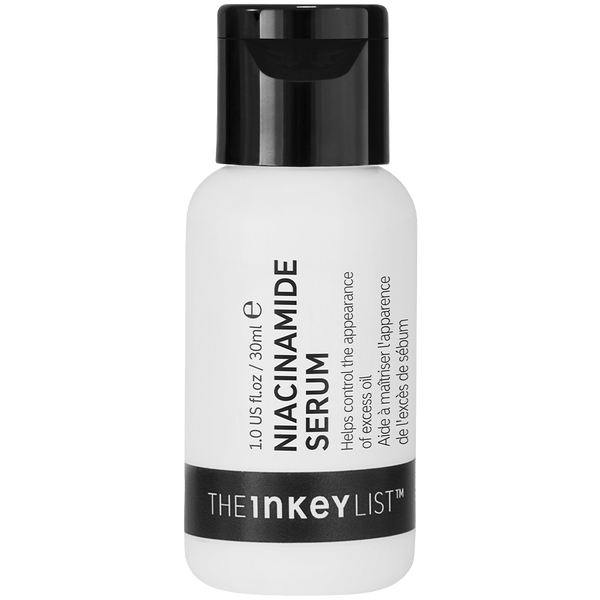
Niacinamide plays a slightly different but complementary role. It helps strengthen the appearance of the skin barrier, calms the look of redness, and supports more even-looking tone overall. A stronger-looking barrier matters here because compromised, reactive skin tends to hold onto visible redness longer, so supporting the barrier indirectly supports faster-looking fading too. The 10% Niacinamide Serum, €10.00 is an easy, affordable addition for this.
SPF deserves its own callout because, as established above, it is simply non-negotiable. UV exposure is one of the clearest ways to prolong or worsen the appearance of both PIE and PIH, undoing progress you’ve otherwise made. This should be a daily, rain-or-shine, every-single-morning step, applied generously as the final stage of your morning routine.
Vitamin C supports brightness and a more even-looking skin tone, and is particularly useful for anyone dealing with the PIE and PIH overlap discussed earlier, since brightening-focused ingredients tend to address the pigment side of that overlap well. The 15% Vitamin C + EGF Serum, €18.00 supports this alongside general tone-evening goals.
Tranexamic Acid is another strong option for anyone navigating both PIE and PIH together, since it helps target the look of uneven tone and discolouration more broadly. This makes it a particularly useful addition if you’ve noticed your marks have both a reddish and a brownish quality depending on the lighting. The Tranexamic Acid Serum, €18.50 is built around exactly this.
Glycolic Acid supports the renewal side of the equation. It gently encourages surface cell turnover and smoother-looking texture without over-stripping the skin, which helps marks appear to fade as fresher skin cells come to the surface over time. The 10% Glycolic Acid Toner, €14.00 is a simple way to introduce this into an existing routine.
Retinol also supports renewal over the longer term, but it comes with one important caveat: it should be introduced gradually, and ideally only once any active breakouts have fully calmed down, to avoid adding further irritation on top of skin that is already working to recover. For anyone new to retinol or returning to it after a flare-up, the Starter Retinol Serum, €14.00 is designed as a gentle entry point.
A smart approach here is not to use all of these at once. Pick the one or two that most directly address what you’re seeing in the mirror, whether that’s redness specifically, pigment specifically, or a combination of both, and build from there. Now that you understand the “why” behind each ingredient, let’s put them together into an actual daily routine you can follow without overthinking it.
Step-by-Step Routine to Fade Red Marks After Acne
Knowing which ingredients work is only useful if you know how to layer them sensibly into your day. Here is a straightforward, practical framework, built on the idea that consistency and gentleness will always outperform an aggressive, scattershot approach.
Foundation Routine
Every routine targeting PIE needs to start with gentle, non-stripping cleansing. This might sound like a small detail, but over-cleansing or using harsh, foaming formulas can actively worsen irritation and prolong visible redness, undoing the benefit of everything you layer on afterward. A soft, balm-based cleanser that removes impurities without disrupting the skin barrier is the right foundation here, such as the Oat Cleansing Balm (150ml), €18.00, which is especially well suited to sensitive or compromised skin currently dealing with PIE.
Full AM Routine
Mornings should be simple and consistent:
- Cleanse with a gentle formula to start the day with a clean, calm base.
- Treat with azelaic acid or niacinamide, depending on which concern you’re prioritising that day.
- Hydrate with a lightweight moisturiser that supports the skin barrier without feeling heavy, such as the Omega Water Cream, €14.00, which suits blemish-prone or oily skin particularly well.
- Protect with SPF, applied generously, every single morning without exception.
Full PM Routine
Evenings are where you can introduce more targeted treatment:
- Cleanse to remove the day’s buildup.
- Treat with active ingredients, either alternating or combining as your skin tolerates, such as tranexamic acid, glycolic acid, or retinol.
- Moisturise to support the skin barrier overnight while it does its repair work.
Treating Active Breakouts Alongside PIE
It’s common to be managing existing red marks while also dealing with new blemishes at the same time, and this requires a bit of nuance. Rather than treating your entire face with harsh actives in an attempt to tackle everything at once, spot-treat new blemishes directly instead. This protects the surrounding skin, including existing PIE marks, from unnecessary additional irritation. The Hydrocolloid Invisible Pimple Patches, €10.00 are particularly useful here, since they physically protect a healing blemish from picking, which, as covered earlier, is one of the most direct ways new PIE marks form in the first place. For those needing extra support clearing pores during cleansing, the Salicylic Acid Cleanser, €14.00 can be incorporated a few times a week.
If You Have Both PIE and PIH
If you’re dealing with a mix of red and brown-toned marks, the approach is about balance rather than piling everything on at once. Alternate or layer tone-evening ingredients like tranexamic acid and vitamin C with redness-calming azelaic acid, rather than using all of them simultaneously. Patch test any new addition, introduce one new active at a time, and pay close attention to how your skin barrier is coping. The goal is steady, layered progress, not overwhelming your skin in the hope of faster results.
Common Mistakes to Avoid
- Over-exfoliating in an attempt to “speed things up,” which typically backfires and adds irritation.
- Skipping SPF on cloudy days or when staying indoors most of the day.
- Picking at healing blemishes, even small ones.
- Introducing too many new active ingredients at once.
- Expecting overnight results instead of the realistic weeks-to-months timeline covered earlier.
With a clear routine in place, it’s worth quickly addressing some of the most common questions people have about PIE, many of which echo exactly what you might be wondering right now.
Frequently Asked Questions About Post-Inflammatory Erythema
How long does it take for red marks from acne to fade?
It depends on severity and consistency of care. Mild PIE often fades within 4 to 8 weeks, moderate cases typically take 8 to 12 weeks, and more persistent or deeper marks can take 3 to 6 months with consistent treatment, particularly daily SPF use.
Are red marks from acne permanent?
No. Post-inflammatory erythema is a temporary vascular response, caused by dilated or temporarily damaged blood vessels near the skin’s surface, not a structural scar. With time and the right routine, it fades.
Do red marks from acne go away on their own?
In many cases, yes, eventually, since the underlying blood vessels do settle over time. However, without SPF and supportive ingredients, this process is typically much slower and the marks can appear more pronounced for longer, especially with ongoing sun exposure.
What gets rid of red marks from acne fastest?
A consistent routine combining daily SPF with redness-calming ingredients like azelaic acid and niacinamide tends to produce the most noticeable improvement, since consistency and sun protection are the two biggest levers you can control.
Does azelaic acid help with PIE?
Yes. Azelaic acid is considered a hero ingredient for post-inflammatory erythema because it helps calm the look of visible redness and supports a more even-looking tone, while being gentle enough for regular, ongoing use.
Does niacinamide help with post-inflammatory erythema?
Yes. Niacinamide helps strengthen the appearance of the skin barrier and calm the look of redness, making it a strong complementary ingredient alongside azelaic acid in a PIE-focused routine.
What’s the difference between PIE and PIH?
PIE (post-inflammatory erythema) refers to flat red, pink, or purple marks caused by visible blood vessels after inflammation, more common on lighter skin tones. PIH (post-inflammatory hyperpigmentation) refers to brown or dark marks caused by excess melanin, more common on deeper skin tones. Many people experience both at once.
Now that the most pressing questions are answered, let’s bring everything back together with a clear, honest summary of where that leaves you.
Final Thoughts: Patience, Protection, and the Right Ingredients
If you take away one thing from this guide, let it be this: post-inflammatory erythema is temporary, vascular, and fundamentally different from true scarring. The flat red or pink mark staring back at you in the mirror is not permanent damage, it is residual blood vessel activity left behind after your skin did exactly what it was designed to do during healing.
Real, visible improvement comes from consistency, not aggression. Daily SPF, gentle and non-stripping cleansing, and a small, well-chosen set of ingredients like azelaic acid, niacinamide, vitamin C, or tranexamic acid, used steadily over weeks rather than days, is what actually moves the needle. Harsh over-exfoliation, skipped sunscreen, or picking at healing skin will only prolong the timeline you’re hoping to shorten.
This is the belief we build every routine around: clear guidance, proven ingredients, real results. Not overnight miracles, not vague promises, just an honest explanation of what’s happening in your skin and a realistic plan to support it. Give the process the weeks it genuinely needs, stay consistent, and trust that the mark you’re looking at today is very unlikely to be the one you’re looking at in two months.
If you’re ready to start, the simplest first step is the one ingredient this entire guide keeps coming back to. Shop the 10% Azelaic Acid Serum for Redness Relief, €17.00, and give your skin the consistent, gentle support it needs to let those red marks fade on their own time.
Frequently Asked Questions

Got a question?
Our askINKEY team are a friendly bunch of skincare experts with deep product knowledge and zero judgement. Whether you're an ingredient obsessive or just starting out, we'll make it make sense. No question too big. No question too small. We Give A Care, Every Day.


