



Pigmentation Around the Mouth: Causes & How to Treat It
Dark marks around the mouth are common and treatable — here's what causes them and the step-by-step routine to fade them for good.
Author
askINKEY skincare advisor
Published
11 October, 2026
Time to read
9 minutes
Pigmentation around the mouth refers to dark marks, discolouration, or patches of uneven tone that appear on or just around the lip area, chin corners, and lower cheeks near the mouth. It’s one of the most common skin concerns we hear about, and it is not a sign of poor hygiene, and it is not permanent. With the right approach, it is very treatable.
This area of the face is especially prone to dark marks and hyperpigmentation on the upper lip because it deals with a lot: hormonal shifts, breakouts, hair removal, constant touching, and daily sun exposure all overlap in a relatively small patch of skin. That’s why pigmentation around the mouth can feel stubborn even when you’re already doing “everything right.”
In this guide, we’ll walk through the main causes, from hormonal changes and melasma to post-inflammatory marks left behind by blemishes, irritation from waxing or threading, friction, and sun exposure. We’ll help you figure out which type (or types) you’re dealing with, then give you a clear, step-by-step ingredient routine to fade existing marks and stop new ones from forming. No overwhelming 12-step routines, no miracle promises. Just clear guidance, proven ingredients, and realistic expectations.
Understanding the “why” behind the discolouration is the first step, so let’s start there.
What Causes Pigmentation Around the Mouth?
Pigmentation around the mouth isn’t caused by one single thing. It’s usually the result of one or more triggers that push your skin’s melanin-producing cells (melanocytes) into overdrive in that specific area. Melanin is your skin’s natural pigment, and it ramps up production as a protective response to things like inflammation, friction, and UV light. The mouth area is particularly exposed to all three, which is why dark marks tend to cluster there more than on, say, your forehead.
Here are the five most common causes, broken down so you can start recognising patterns in your own skin.
Hormonal changes and melasma. Melasma is a form of pigmentation triggered by hormonal fluctuations, commonly linked to pregnancy, contraceptive use, or natural shifts across the menstrual cycle. It tends to appear symmetrically, meaning you’ll often see matching brown or greyish-brown patches on both sides of the mouth or across the upper lip. Hormonal pigmentation is notoriously persistent because it’s driven by internal triggers rather than something you can simply stop doing.
Post-inflammatory hyperpigmentation (PIH) from breakouts. The chin and mouth area is a hotspot for hormonal breakouts, and whenever skin experiences inflammation, whether from a blemish, a popped spot, or irritated pores, it can respond by producing excess melanin at that exact site. This is post-inflammatory hyperpigmentation, and it’s a completely separate process from the original blemish. The mark can linger for weeks or months after the skin has otherwise healed, which is often more frustrating than the breakout itself.
Irritation from waxing, threading, or hair removal. The upper lip and chin are common areas for hair removal, and repeated physical trauma to the skin, think waxing, threading, or even aggressive tweezing, can trigger a melanin response as the skin heals. This is especially common in those who get the same area waxed on a tight, repeated schedule without giving the skin time to fully recover between sessions.
Friction and repeated touching. This is one of the most overlooked causes. Constantly applying lip balm, resting your chin on your hands, habitually rubbing or touching the corners of your mouth, or even friction from wearing a mask can cause low-grade, repeated irritation. On its own it seems harmless, but over time this chronic, subtle friction can darken the skin, particularly at the corners of the mouth and along the chin.
Sun exposure. UV exposure doesn’t usually start pigmentation on its own, but it is a powerful accelerant. If you already have sensitised, pigment-prone skin around your mouth, from hormones, breakouts, or hair removal, sun exposure will make those marks darker and significantly slower to fade. This is one of the main reasons pigmentation around the mouth tends to look worse in summer and improve (even slightly) in winter.
It’s worth saying plainly: dark marks around the mouth are common, and in almost every case they’re a response to something identifiable, not a mysterious or alarming skin failure. The tricky part is that because the causes vary so much from person to person (and sometimes overlap within the same person), the first real step toward treating it isn’t picking a product. It’s figuring out which type of pigmentation you’re actually dealing with.
How to Identify Your Type of Pigmentation
Before reaching for any serum, it helps enormously to know what kind of pigmentation you’re looking at. The ingredients that work beautifully on post-breakout marks aren’t necessarily the ones that will budge hormonal melasma, so a bit of self-assessment up front makes everything that follows far more effective.
Here’s a practical way to think through it. As you read, consider which of these sound most like what you see in the mirror, you may notice more than one applies, and that’s completely normal.
- Melasma or hormonal pigmentation: Usually appears as symmetrical, brownish patches on both sides of the mouth or across the upper lip. It tends to darken in response to sun exposure or hormonal shifts (such as pregnancy, starting or stopping contraception, or across your cycle), and it often appears gradually rather than overnight.
- PIH from breakouts: Shows up as a flat, discoloured mark in the exact spot where a blemish used to be. Depending on your skin tone, this can range from pink or red through to brown or grey-brown, and it typically stays localised to single spots rather than forming broader patches.
- Hair-removal-related marks: Localised discolouration specifically along the upper lip or chin, in the precise area where waxing or threading is regularly done. It often comes with a slightly rough or irritated texture, and you may notice it’s more pronounced right after a hair removal session.
- Friction-related pigmentation: Tends to appear at the corners of the mouth or along the chin, frequently linked to habitual touching, product residue from lip balm or toothpaste, or repeated rubbing. It often has a diffuse, lower-intensity look rather than sharply defined patches.
- Sun-related pigmentation: Rarely appears in isolation. Instead, it tends to worsen whatever other type of pigmentation is already present, becoming noticeably darker in summer months or after extended sun exposure, then fading slightly (but rarely disappearing) over winter.
If you’ve read through that list and thought “that’s basically three of these at once,” you’re not imagining it. Overlap is extremely common. Someone with blemish-prone skin who also does regular waxing and spends time outdoors without SPF could easily be dealing with PIH, hair-removal-related marks, and sun-related darkening all at the same time, layered on top of each other. The good news is that you don’t need to perfectly separate every cause before you start treating it. You just need a routine built around ingredients that address multiple pigment pathways at once, which is exactly what we’ll walk through next.
Once you’ve got a general sense of what’s driving your pigmentation, choosing the right ingredients becomes far less guesswork and far more targeted strategy.
The Step-by-Step Routine to Treat Pigmentation Around the Mouth
This is where theory turns into action. Treating pigmentation around the mouth isn’t about piling on every brightening product you can find, it’s about using the right actives, in the right order, consistently. Here’s a five-step framework.
Step 1: Cleanse. If breakouts are contributing to your pigmentation, start with a gentle cleanser that keeps pores clear without stripping the skin. The 2% Salicylic Acid Cleanser (€14) works well here, since salicylic acid is oil-soluble and able to get into pores to help clear out congestion and black heads, reducing the likelihood of new break outs forming in the first place. Fewer breakouts means fewer opportunities for new PIH to develop.
Step 2: Treat with hydration first. Before layering on active ingredients, support your skin barrier with a lightweight hydrating serum. This matters more than people expect: a compromised, dehydrated barrier is more reactive and less able to tolerate actives, which actually makes pigmentation harder to treat, not easier. The Hyaluronic Acid Serum(€10) is a good foundational step here, plumping and hydrating skin so it’s better prepared for what comes next.
Step 3: Target with actives. This is the core of the routine, where you choose ingredients that work directly on pigment and tone.
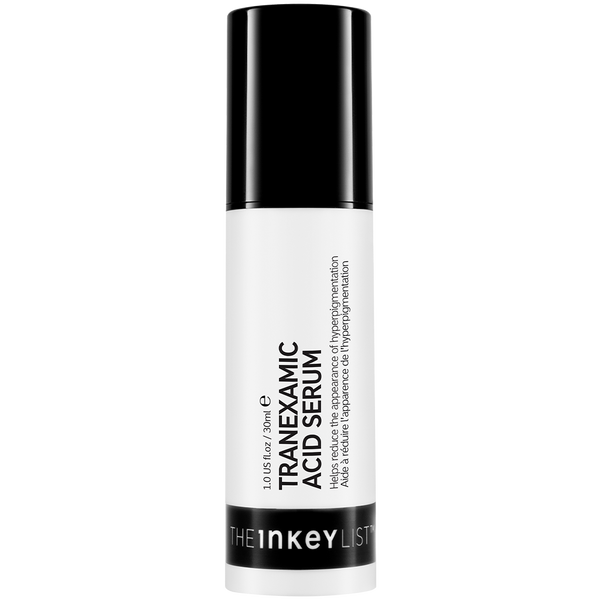
- Tranexamic acid works directly on the pathways that drive excess pigment production, making it one of the most targeted options for stubborn marks. The 2% Tranexamic Acid Serum (€18.50) is formulated specifically for this purpose.
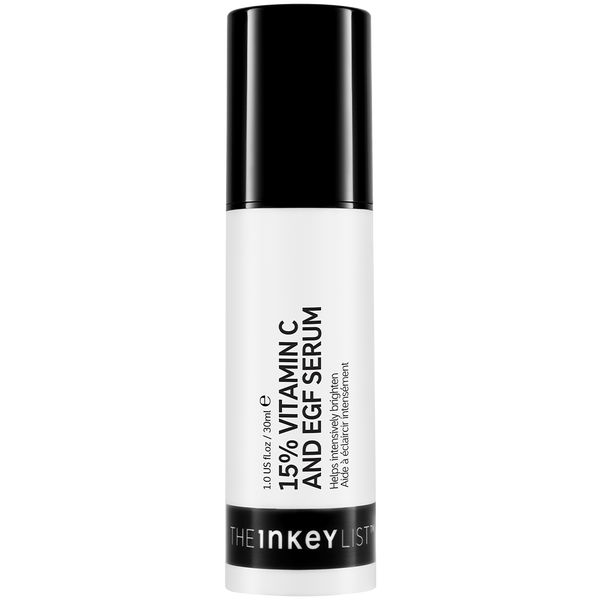
- Vitamin C brightens overall tone while offering antioxidant protection against environmental stressors, which is why it’s best used in the morning. The 15% Vitamin C + EGF Serum (€18) fits well into an AM routine for this reason.
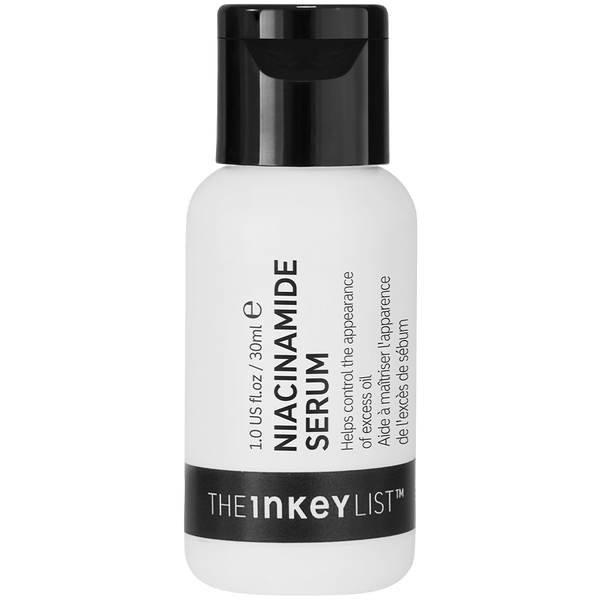
- Niacinamide supports a stronger skin barrier while also helping to even out tone over time, making it a solid everyday workhorse. The 10% Niacinamide Serum (€10) suits both AM and PM use.
- Azelaic acid calms inflammation-driven marks, which makes it particularly useful for pigmentation that stems from breakouts or irritation. The 10% Azelaic Acid Redness Relief Solution (€17) is well suited to this stage of the routine.
“Pigmentation fades with consistency, not intensity. Using the right ingredients in the right order matters more than using more of them.”
Step 4: Exfoliate gently. A low-strength glycolic acid toner, used a few times a week rather than daily, supports cell turnover so pigmented surface cells shed faster, gradually revealing more even-toned skin underneath. The 10% Glycolic Acid Toner (€14) is formulated to do this without tipping into irritation when used as directed.
Step 5: Protect. Daily SPF is the non-negotiable final step. No matter how good your active ingredients are, unprotected skin will keep reactivating pigment in response to UV exposure, essentially undoing your progress. We’ll cover this in more depth in the next section, but it cannot be treated as optional.
A quick but important note on combining actives safely: more is not better here. Avoid layering multiple strong exfoliants or acids in the same routine, as this increases the risk of irritation, which can ironically trigger more pigmentation rather than less. Always patch test a new product before applying it to your full face, and introduce one new active at a time, giving your skin a week or two to adjust before adding the next step. This measured approach protects your skin barrier and actually gets you to visible results faster than rushing in with everything at once.
Treating existing pigmentation is genuinely half the work. The other half, and arguably the part that determines whether your results actually last, is prevention.
How to Prevent Pigmentation Around the Mouth From Returning
Fading existing marks is only useful if you can stop new ones from forming, or stop old ones from darkening right back up. Prevention is where long-term results actually come from, and thankfully it’s built on a small number of consistent habits rather than anything complicated.
Daily SPF is the single most important prevention step. UV exposure is one of the biggest reactivators of existing pigment, meaning that even marks you’ve successfully faded can darken again after unprotected sun exposure. Wearing SPF every single day, regardless of weather or season, is the most reliable way to stop this cycle. The Hydrating Dewy Sunscreen SPF 30 (€15) is formulated to be worn daily as that essential final step in your morning routine.
Practice gentle hair removal. If waxing or threading is part of your routine, avoid going over the exact same patch of skin repeatedly in a single session, and give the area time to fully recover between appointments. Soothing the skin immediately afterward, rather than letting it sit irritated, reduces the chance of triggering a melanin response. The 10% Azelaic Acid Redness Relief Solution can be useful here too, helping to calm irritation before it has the chance to turn into pigmentation.
Reduce friction where you can. Small habits add up. Choosing non-irritating lip balms, being mindful of how often you touch or rub the corners of your mouth, and paying attention to any product residue sitting on the skin (toothpaste is a surprisingly common culprit) can meaningfully reduce the low-grade irritation that leads to friction-related marks over time.
Manage breakouts early. Since post-inflammatory hyperpigmentation only happens after inflammation, keeping blemish-prone skin calm and clear in the first place is one of the most effective prevention strategies available. This doesn’t mean obsessing over every spot, it means having a consistent, gentle routine (like the salicylic acid cleanse mentioned earlier) that keeps pores clear and breakouts to a minimum.
Choose consistency over intensity. It can be tempting to reach for stronger actives or use them more often when you’re impatient for results, but gentle, repeated use of the right ingredients will consistently outperform harsh or occasional treatments. Skin responds to routine, not to sporadic bursts of intensity.
It’s also worth setting a realistic expectation here: hormonal pigmentation, like melasma, may require ongoing management rather than a single fix. If your pigmentation is hormonally driven, the goal isn’t necessarily “cure it once and never think about it again,” it’s building a sustainable routine that keeps it visibly under control over the long term.
With the right routine and consistent daily protection, visible improvement is a realistic outcome, not a stretch. That said, there are a handful of specific questions that come up again and again, so let’s address those directly.
Bringing It All Together
Pigmentation around the mouth can come from several different directions at once: hormonal shifts and melasma, post-inflammatory marks left behind by breakouts, irritation from waxing or threading, friction from everyday habits, and sun exposure that makes it all worse. None of these causes are a reflection of doing something wrong, they’re simply common skin responses to common triggers.
Identifying which type (or types) you’re dealing with is what turns a generic skincare routine into one that actually works for your skin. From there, the step-by-step approach is straightforward: cleanse gently, support hydration before introducing actives, target pigment directly with ingredients like tranexamic acid, vitamin C, niacinamide, and azelaic acid, exfoliate gently to support turnover, and protect with SPF every single day without exception.
None of this requires a complicated, ten-step routine. It requires the right steps, used consistently, in the right order. That’s the whole philosophy here: clear guidance, proven ingredients, real results. Set your expectations around weeks of consistent use rather than overnight change, and the progress you see will be real, visible, and lasting, not a fleeting result that disappears the moment you stop.
Start Your Routine Today
The best way to start is with the step that matches your biggest concern right now. If you’re dealing with existing dark marks, begin with the 2% Tranexamic Acid Serum as your core treatment step. If prevention is your priority, especially if you’ve already seen improvement and want to protect it, start with the Hydrating Dewy Sunscreen SPF 30 as your daily non-negotiable.
You don’t need to overhaul your entire routine overnight. Pick one product, use it consistently, and build from there. That’s how real, lasting change happens, one clear, confident step at a time. We give a care, and so should your routine.
Frequently Asked Questions
Got a question?
Our askINKEY team are a friendly bunch of skincare experts with deep product knowledge and zero judgement. Whether you're an ingredient obsessive or just starting out, we'll make it make sense. No question too big. No question too small. We Give A Care, Every Day.


