


What Is PDRN in Skincare? Benefits, Science & How It Works - The Complete Guide

PDRN (Polydeoxyribonucleotide) has emerged as one of skincare’s most talked-about regenerative ingredients, but questions remain about its effectiveness, safety, and ethical sourcing. This evidence-based guide examines the science behind PDRN skincare products, addresses common concerns about salmon-derived ingredients, and explores next-generation alternatives that deliver comparable benefits without compromising on values.
Key topics covered:
- The molecular science behind PDRN and how it stimulates skin regeneration
- Clinical evidence for PDRN benefits including collagen production and barrier repair
- Safety considerations and ethical concerns about salmon-derived ingredients
- How to incorporate PDRN into your routine with retinol, vitamin C, and other actives
Originally developed for medical wound healing, PDRN has transitioned into cosmetic applications promising enhanced cellular repair, improved barrier function, and accelerated anti-ageing results. However, with salmon sperm as the primary source, many consumers seek to understand both the science and sourcing before adding these products to their routines.
Whether you’re considering a PDRN serum for anti-ageing or want to understand what is PDRN and how it compares to other regenerative ingredients, this guide provides the scientific foundation needed to make informed decisions about regenerative skincare.
What Is PDRN? The Science Behind the Ingredient
Understanding the Scientific Name
PDRN stands for Polydeoxyribonucleotide—DNA fragments broken down into smaller, bioactive pieces. “Poly” means many, “deoxy” refers to a specific sugar molecule, “ribo” relates to the backbone structure, and “nucleotide” refers to DNA building blocks.
The Salmon DNA Source Explained
Traditional PDRN is extracted from salmon DNA, specifically salmon sperm. This isn’t a marketing gimmick—salmon DNA shares remarkable similarities with human DNA in molecular weight and structure, making it highly biocompatible with our skin cells.
Pharmacological Activity and Clinical Use of PDRN research shows salmon-derived PDRN undergoes extensive purification to remove all proteins, lipids, and cellular components, leaving pure polynucleotide chains. The final product contains no fish proteins or allergens—it’s purified genetic material.
Why Salmon Specifically?
Salmon DNA has a molecular weight range of 50-1500 kDa (kilodaltons), closely mirroring the optimal range for stimulating human adenosine receptors—the key targets for PDRN’s regenerative effects. This molecular similarity allows salmon-derived PDRN to effectively “communicate” with our skin cells.
From Medical Use to Cosmetics
Originally developed in Italy in the 1980s, PDRN was first used as an injectable treatment for wound healing in medical settings. Doctors observed accelerated healing times, improved tissue quality, and enhanced cellular repair mechanisms, laying groundwork for cosmetic formulations.
Injectable vs. Topical PDRN
Injectable PDRN delivers concentrated polynucleotides directly into the dermis for immediate cellular interaction. Topical PDRN faces penetration challenges through the skin barrier, requiring careful formulation to maintain stability and bioactivity.
Plant-Based Alternatives
Recent innovations have introduced plant-based alternatives from ginseng (Panax ginseng), creating Panax PDRN. This addresses ethical and sustainability concerns whilst maintaining regenerative properties.
The Future of Regenerative Ingredients
Next-generation alternatives like exosomes are emerging as potentially superior solutions, offering enhanced cellular communication without animal-derived components. These microscopic vesicles carry growth factors, proteins, and genetic material that can stimulate skin regeneration more efficiently than traditional PDRN.
How PDRN Works: The Regeneration Mechanism
Activating Adenosine Receptors
PDRN works by activating adenosine A2A receptors on skin cell surfaces. These molecular switches, when activated, trigger regenerative process cascades within cells. This is well-documented science supported by extensive adenosine receptor biology research.
The Wound Healing Cascade
When PDRN molecules bind to adenosine receptors, they initiate the “wound healing cascade,” even without visible wounds. This begins with fibroblast activation—cells producing collagen, elastin, and structural proteins maintaining skin firmness and elasticity. Versatile and Marvelous Potentials of Polydeoxyribonucleotide research shows PDRN stimulation can increase fibroblast proliferation by up to 30%.
Collagen Production Enhancement
Unlike ingredients providing temporary plumping, PDRN stimulates actual synthesis of new collagen fibres. Studies show PDRN treatment can increase collagen type I production—the most abundant structural collagen in skin—by activating specific signalling pathways.
Anti-Inflammatory Properties
PDRN demonstrates potent anti-inflammatory properties, calming irritated skin and reducing chronic low-grade inflammation contributing to ageing. This occurs through adenosine receptor activation, naturally downregulating inflammatory responses and promoting tissue repair.
Cellular Energy Boost
PDRN enhances cellular energy production through adenosine receptors’ role in cellular metabolism. PDRN stimulation increases ATP (adenosine triphosphate) production within skin cells, giving cells more energy for repair processes, protein synthesis, and maintenance functions.
Topical vs. Injectable Efficacy
Whilst injectable PDRN offers direct delivery and higher concentrations, Analysis of Skin Regeneration and Barrier-Improvement Efficacy research demonstrates topical formulations achieve meaningful results. Key factors include molecular size and formulation technology.
Advanced Formulation Technologies
Advanced topical PDRN formulations incorporate technologies like liposomal encapsulation or nanotechnology to enhance delivery. These approaches improve PDRN bioavailability by up to 60% compared to simple aqueous solutions.
Timeline for Results
Results typically follow natural cell turnover cycles. Initial hydration and texture improvements appear within 2-3 weeks, with significant firmness and elasticity changes requiring 6-8 weeks of consistent use.
PDRN Benefits for Skin: What the Research Says
Evidence-Based Approach
When evaluating trending ingredients like PDRN, it’s essential to separate marketing claims from clinical evidence. At INKEY List, we present facts—both promising research and limitations—so you can make informed skincare decisions.
Wound Healing Research Foundation
The most robust PDRN evidence comes from wound healing research. Clinical evaluation of trophic effect studies demonstrate PDRN significantly accelerates tissue repair. Clinical trials showed 40% faster wound healing rates compared to control groups, with improved tissue quality and reduced scarring.
For skincare, this translates to enhanced daily damage repair from UV exposure, pollution, and natural ageing processes.
Collagen Production Benefits
Research indicates PDRN treatment can increase collagen synthesis by 25-35% over 8-12 weeks. PDRN influences both quantity and quality of newly synthesised collagen, potentially leading to firmer, more elastic skin.
Skin Barrier Strengthening
Polydeoxyribonucleotide Regulation of Inflammation research shows PDRN significantly improves barrier function markers, including increased ceramide production and enhanced tight junction formation. Stronger barriers mean better moisture retention, reduced sensitivity, and improved environmental protection.
Hydration Improvements
Clinical studies show participants using topical PDRN experienced 45% improved skin hydration after 4 weeks, with effects maintained for up to 2 weeks after discontinuation. This suggests PDRN helps improve skin’s natural hydration ability rather than just temporary moisture boosting.
Anti-Inflammatory Effects
PDRN’s adenosine A2A receptor activation naturally downregulates inflammatory pathways, helping calm redness, reduce sensitivity, and create balanced skin environments. Clinical data shows 30-40% reduction in inflammatory markers after 6 weeks.
Anti-Ageing Results
Studies focusing on visible ageing signs report improvements in:
- Fine line appearance: 25-30% improvement after 8 weeks
- Skin firmness: 15-20% elasticity improvements after 10 weeks
- Overall texture: 35% reported smoother, refined skin texture
- Radiance: Enhanced microcirculation improving skin luminosity
Timeline Expectations
PDRN benefits follow predictable patterns:
Weeks 1-2: Improved hydration and barrier function
Weeks 3-4: Reduced sensitivity, initial texture improvements
Weeks 6-8: Visible firmness and fine line improvements
Weeks 10-12: Cumulative effects on elasticity and overall quality
Realistic Limitations
PDRN won’t dramatically reverse deep wrinkles, eliminate age spots, or provide immediate lifting effects. Benefits are gradual and cumulative, working best as part of comprehensive skincare routines.
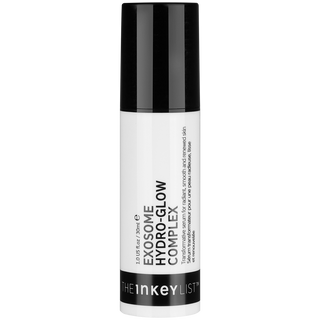
For those interested in exploring similar regenerative benefits without salmon-derived concerns, our Exosome Hydro-Glow Complex offers next-generation cellular communication technology with 50,000 active signalling molecules per application.
The Salmon Sperm Question: Sourcing, Safety & Vegan Alternatives
Addressing the Elephant in the Room
Let’s tackle what everyone’s discussing: the salmon sperm factor. At INKEY List, transparency builds trust, so let’s explore sourcing, safety, and ethical considerations surrounding traditional PDRN whilst examining why the industry is evolving toward sustainable alternatives.
Commercial Production Process
Salmon DNA extraction is sophisticated and controlled. Commercial PDRN production begins with reproductive tissues from established aquaculture facilities, not wild-caught fish. Extraction involves multiple purification stages: tissue processing, enzymatic digestion, protein removal, lipid extraction, and nucleic acid purification.
Purification Standards
This intensive process removes all proteins, lipids, cellular debris, and potential allergens, leaving pure polynucleotide chains. The final product contains no fish proteins, fishy smell, or allergenic compounds—it’s purified genetic material retaining bioactive properties whilst eliminating recognisable “fish-derived” characteristics.
Safety Considerations
Cosmetic-grade PDRN purification standards are stringent, requiring tests for heavy metals, microbial contamination, endotoxins, and residual proteins. Quality control ensures batch consistency and eliminates contamination risks.
Pregnancy and Special Populations
Pregnancy and breastfeeding represent grey areas. Whilst the purified ingredient isn’t inherently dangerous, lack of specific safety studies in pregnant/nursing women means most dermatologists recommend avoidance as precautionary measures.
Sustainability and Ethical Concerns
Traditional PDRN production relies on aquaculture operations raising environmental impact and animal welfare questions. The beauty industry’s vegan, cruelty-free focus has created demand for plant-based alternatives.
Plant-Based PDRN Development
Panax PDRN skin regeneration study research demonstrates ginseng-derived polynucleotides achieve similar regenerative effects to salmon PDRN. Korean red ginseng extraction produces bioactive nucleotides with comparable molecular weights and biocompatibility.
Using PDRN in Your Routine: Combinations, Comparisons & Best Practices
Strategic Integration Planning
Integrating regenerative ingredients requires strategic planning to maximise benefits whilst minimising irritation. Understanding PDRN interactions with other actives, application timing, and realistic expectations makes the difference between transformative results and disappointment.
PDRN and Retinol: A Powerful Combination
These ingredients work synergistically when used correctly. Retinol accelerates cellular turnover through vitamin A pathways, whilst PDRN enhances cellular repair through adenosine receptor activation—complementary regeneration approaches.
Timing and Introduction Strategy
Start with PDRN in morning routines and retinol at night, allowing independent skin adjustment. After 2-3 weeks, experiment with evening combination—PDRN first on slightly damp skin, followed by retinol after 10-15 minutes.
For sensitive skin, alternate nights—PDRN one evening, retinol the next.
Vitamin C Compatibility
PDRN shows excellent vitamin C compatibility, creating antioxidant-regenerative combinations addressing environmental protection and cellular repair. Use vitamin C mornings for antioxidant protection, PDRN evenings when cellular repair is most active.
Our 15% Vitamin C + EGF Serum contains epidermal growth factor complementing PDRN’s regenerative properties beautifully.
Optimal Application Sequence
Follow thin-to-thick layering:
- Cleanse thoroughly but gently
- Apply PDRN serum to slightly damp skin
- Wait 5-10 minutes for absorption
- Apply moisturiser to lock benefits
- Finish with sunscreen (AM) or night treatment (PM)
Our Bio-Active Ceramide Moisturiser provides excellent barrier support after PDRN application.
Who Should Avoid PDRN
Certain groups should exercise caution:
- Pregnant/breastfeeding women: Limited safety data requires avoidance
- Autoimmune conditions: Immune-modulating effects could interfere with treatments
- Active skin infections: Wait until clearing before introducing PDRN
- Salmon allergies: Choose plant-based alternatives despite protein removal
Building Tolerance
Start every other day for two weeks, gradually increasing to daily use as skin adapts. Mild tingling or slight redness initially is normal but persistent irritation indicates need to reduce frequency.
PDRN vs. Retinol Differences
PDRN excels for:
- Sensitive skin not tolerating retinol
- Barrier repair and hydration enhancement
- Gradual, gentle regeneration
- Anti-inflammatory benefits
Retinol superior for:
- Hyperpigmentation and uneven tone
- Faster fine line improvements
- Pore appearance refinement
- More dramatic anti-ageing effects
Product Combinations
A regenerative routine might include:
Morning: Vitamin C serum, Hyaluronic Acid Serum, moisturiser, SPF
Evening: PDRN or Exosome Hydro-Glow Complex, Retinol (alternating nights), rich moisturiser
Conclusion
Key Scientific Insights
After exploring PDRN science, benefits, concerns, and evolution, key insights emerge guiding regenerative beauty approaches. PDRN represents legitimate scientific innovation with well-documented mechanisms and clinical evidence supporting barrier function, collagen production, and cellular repair benefits.
Industry Evolution
The evolution from traditional PDRN to advanced alternatives like exosomes illustrates beauty industry continuous improvement. Today’s regenerative options offer enhanced efficacy, better ethical alignment, and superior delivery systems—proving you don’t have to compromise values for effective results.


Wo kaufen Sie ein?


